Meaning of Shaolin: History, Philosophy, and Cultural Significance
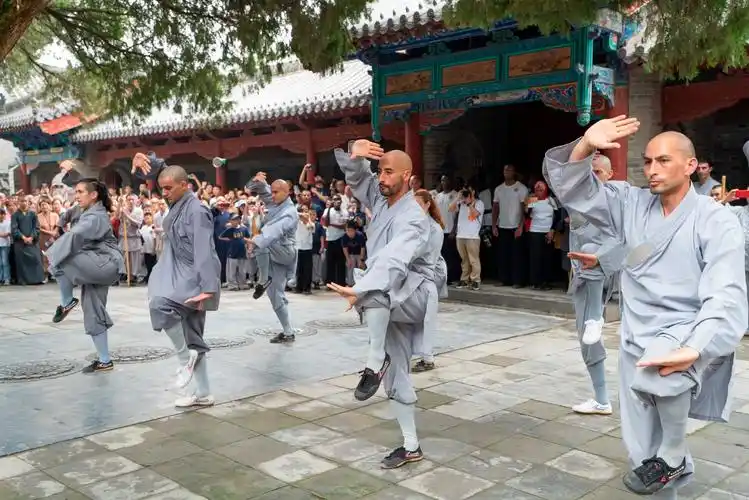
The meaning of Shaolin goes far beyond martial arts and physical strength. For centuries, Shaolin has represented discipline, spiritual growth, inner peace, and harmony between mind and body. While many people associate Shaolin with powerful monks performing incredible martial arts feats, its true meaning is deeply rooted in philosophy, Buddhism, and a way of life that emphasizes balance and self-mastery. This article explores the meaning of Shaolin in detail, covering its origins, spiritual foundations, cultural importance, and modern influence.
The Origin of the Word Shaolin
To understand the meaning of Shaolin, it is important to begin with the word itself. Shaolin refers to the Shaolin Temple, located on Mount Song in Henan Province, China. The name “Shaolin” translates roughly to “Young Forest” or “Little Forest,” derived from the dense woodland surrounding the temple. The temple was established in the 5th century and became a center for Buddhist learning and meditation. Over time, it also became famous for its unique approach to physical training combined with spiritual discipline.
The Spiritual Meaning of Shaolin
At its core, the meaning of Shaolin is deeply spiritual. Shaolin is closely connected to Chan Buddhism, which later influenced Zen Buddhism in Japan. The monks believed that enlightenment could be achieved through meditation, discipline, and awareness in everyday actions. Shaolin teachings emphasize mindfulness, compassion, patience, and self-control. Physical training was never separate from spiritual practice. Every movement, breath, and action was meant to cultivate inner awareness and mental clarity.
Shaolin and the Balance of Mind and Body
One of the most important aspects of the meaning of Shaolin is the harmony between mind and body. Shaolin monks believed that spiritual growth could not be achieved without physical health and discipline. Through rigorous training, monks developed strength, flexibility, and endurance. At the same time, meditation helped calm the mind and sharpen focus. This balance created individuals who were not only physically powerful but also mentally resilient and emotionally stable.
The Role of Martial Arts in Shaolin Tradition
Many people equate Shaolin with martial arts, and while this is true, martial arts represent only one part of the meaning of Shaolin. Shaolin Kung Fu was developed as a form of self-defense and physical conditioning, not aggression. Each movement in Shaolin martial arts carries symbolic meaning. The techniques are inspired by nature, animals, and natural elements. Training teaches discipline, humility, and respect rather than dominance or violence.
Discipline and Self-Mastery in Shaolin Philosophy
Discipline is central to the meaning of Shaolin. Life at the Shaolin Temple required strict routines, early mornings, long training hours, and constant self-reflection. Self-mastery was considered more important than defeating an opponent. Shaolin teachings encourage individuals to overcome fear, anger, and ego. True strength, according to Shaolin philosophy, comes from controlling one’s inner world.
The Cultural Meaning of Shaolin in Chinese History
Throughout Chinese history, the meaning of Shaolin has evolved but remained influential. Shaolin monks played roles in protecting communities, preserving knowledge, and shaping Chinese martial traditions. Shaolin became a symbol of perseverance and moral integrity. Stories of monks standing up against injustice contributed to the temple’s legendary status. Over time, Shaolin transformed from a religious institution into a powerful cultural symbol.
Shaolin as a Way of Life
The meaning of Shaolin extends beyond the temple walls. It represents a way of life based on simplicity, mindfulness, and purpose. Shaolin principles encourage living in harmony with nature, maintaining ethical behavior, and practicing gratitude. Daily activities such as eating, walking, and working are treated as opportunities for mindfulness and self-improvement.
The Meaning of Shaolin in Modern Times
In the modern world, the meaning of Shaolin continues to inspire millions. Shaolin philosophy is applied to fitness, mental health, leadership, and personal development. Many people adopt Shaolin practices to reduce stress, build discipline, and improve focus. Shaolin teachings offer practical solutions for modern challenges such as anxiety, lack of purpose, and mental fatigue.
Shaolin and Meditation Practices
Meditation is a cornerstone of the meaning of Shaolin. Through seated meditation and mindful movement, monks learn to observe their thoughts without attachment.This practice helps cultivate inner peace and awareness. Meditation is not about escaping reality but engaging with life more fully and clearly.
The Symbolism of Shaolin Training
Every aspect of Shaolin training carries symbolism. Physical hardship represents life’s challenges. Endurance training symbolizes persistence and patience. The meaning of Shaolin lies in transforming struggle into growth. Pain and difficulty are seen as teachers rather than obstacles.
Shaolin and Moral Values
Moral integrity is essential to the meaning of Shaolin. Shaolin teachings promote honesty, humility, respect, and compassion.Power without morality is considered dangerous. Therefore, spiritual development is always prioritized alongside physical ability.
Global Influence of Shaolin Culture
The meaning of Shaolin has spread far beyond China. Through movies, books, and cultural exchanges, Shaolin has become a global symbol of discipline and enlightenment.Shaolin temples and schools around the world teach martial arts and philosophy to people from diverse backgrounds. This global influence reflects the universal appeal of Shaolin values.
Misconceptions About the Meaning of Shaolin
Many misconceptions exist about the meaning of Shaolin. Some believe it is only about fighting or extreme physical feats. In reality, martial arts are only tools for spiritual and mental growth. Shaolin is not about competition or aggression. It is about inner balance, ethical living, and lifelong learning.
The Deeper Meaning of Shaolin
At its deepest level, the meaning of Shaolin is about awakening human potential. It teaches that true strength comes from awareness, discipline, and compassion.Shaolin reminds us that peace begins within and that mastery of oneself leads to harmony with the world.
Conclusion
The meaning of Shaolin is rich, layered, and timeless. It represents far more than martial arts or physical training. Shaolin is a philosophy, a spiritual path, and a way of life that emphasizes balance, mindfulness, and self-mastery.In a world filled with distractions and pressure, Shaolin teachings offer guidance toward clarity, purpose, and inner peace. Understanding Shaolin is not about learning techniques but embracing a mindset that values awareness, discipline, and compassion in every aspect of life.