7 Essential Things to Look For When Choosing a Youth Sports Facility (And Why One Springboro Gym Checks Every Box)
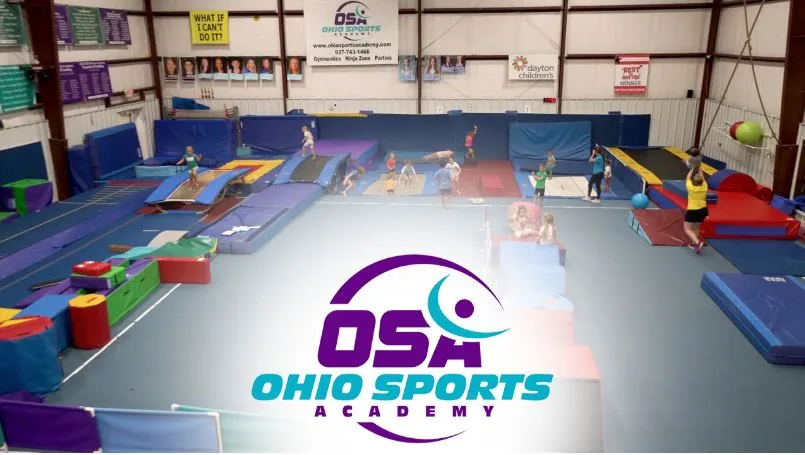
Every parent knows the drill. You’re scrolling through endless Google searches, trying to find an activity that will get your kids off the couch and into something constructive. You want them to burn off energy, sure, but you also want them to build character, gain confidence, and maybe—just maybe—learn to do a back handspring without breaking a lamp in the living room. The options can be overwhelming. From community centers to elite competitive gyms, how do you distinguish the “okay” places from the truly exceptional ones?
Choosing the right environment for your child’s physical education is about more than just proximity and price. It’s about finding a “third place”—a safe haven outside of home and school where they can fail, learn, and grow under the guidance of mentors who truly care. After researching the landscape of youth development centers, we’ve compiled a checklist of the seven non-negotiables every parent should demand. Using Springboro’s premier facility as a case study, here is what the gold standard looks like.
1. A Curriculum That Grows With Your Child
The first thing to investigate is the “ceiling” of the program. A great facility shouldn’t just offer a single class; it should offer a roadmap for growth. You want a place where a toddler can start with basic motor skills and seamlessly progress into advanced athletics as they age.
At the highest level of service, you find programs that are segmented by both age and skill to ensure safety and appropriate challenges. For example, look for facilities that offer specialized paths rather than a “one size fits all” approach. A prime example is the distinction between recreational tumbling and specialized training for other athletes.
In Springboro, the curriculum is meticulously divided. Beginners start with foundational classes that focus on the building blocks: cartwheels, round-offs, and handstands. But the progression doesn’t stop there. For dancers who need to add acrobatics to their repertoire, there are specific classes that focus on skills like side aerials and walkovers, tailored to the unique technique required on a dance floor. This level of specificity ensures that a student is never bored and never in over their head. When searching for gymnastics tumbling classes, you want to see this kind of detailed progression, which is exactly what is offered.
2. Radical Transparency Through Technology
In the modern age, “trust us” isn’t enough. Parents want to see what they are paying for, but they also have busy lives that don’t always allow them to sit in a viewing gallery for an hour. The best facilities have embraced the digital revolution to bridge this gap.
Top-tier gyms are now utilizing secure streaming services like Spot TV. This technology allows parents to watch their child’s class in real-time from a secure app on their phone. Whether you are stuck in a meeting, waiting in the car with a sleeping sibling, or traveling for work, you can still witness those “lightbulb moments” when your child finally nails a new skill. This feature does more than just provide convenience; it keeps the facility accountable. When a gym is willing to let you virtually peek behind the curtain at any moment, it speaks volumes about their confidence in their staff and their safety protocols.
3. An Obsession with Cleanliness and Safety
Let’s be honest: gyms can be gross. Between sweaty teenagers, chalk dust, and hundreds of feet tracking in dirt, keeping a sports facility clean is a Herculean task. However, for a facility that serves young children, hygiene is non-negotiable.
When you tour a potential gym, look down at the mats. Are they tattered? Do they look grimy? Then look up at the equipment. Is it modern? The “best in class” facilities treat their gym like a laboratory. We found that the leading standard involves daily cleaning rituals and professional disinfecting fogging systems that get into every nook and cranny.
Safety extends beyond hygiene to the equipment itself. You should look for Olympic-grade trampolines, loose foam pits for safe landings, and plenty of matting. But hardware is only half the equation. The “software”—the coaching—must prioritize safety above all else. A reputable gym will never pressure a child to attempt a skill they aren’t physically or mentally ready for. They will use “spotting” (physically guiding the athlete through the motion) to ensure safety until the student has mastered the mechanics.
4. Early Childhood Programs That Are More Than Just “Play”
Many parents view preschool gymnastics as simply an expensive indoor playground. But if you look closer, you’ll realize that high-quality early childhood programs are actually disguised neuro-development courses.
The brain development that occurs between birth and age five is rapid and critical. The best programs capitalize on this by designing classes that stimulate the vestibular system (balance) and proprioception (body awareness). Look for classes with curriculum-based structures rather than open play.
For instance, a program might divide children into specific developmental stages with fun, engaging names. You might see a “Bunnies” class for walkers to 24-month-olds, focusing on sensory stimulation and parent bonding. As they grow, they graduate to “Cubs” and “Raccoons,” where they begin to follow structured circuits. By the time they reach the “Owls” stage in kindergarten, they are mastering complex sequences. This isn’t just cute; it’s science. These movements cross the midline of the body, building neural pathways that help with reading and logic later in life. Ohio Sports Academy has mastered this “learning through play” philosophy, creating an environment where education feels like an adventure.
5. Instructors Who Are Mentors, Not Just Coaches
The single biggest variable in your child’s experience will be the person standing in front of the class. You can have the best equipment in the world, but if the coach is disengaged or harsh, the experience will be a failure.
What should you look for? First, check the student-to-coach ratio. It should be low enough that every child gets individual attention. Second, look for a “growth mindset” coaching philosophy. You want coaches who praise effort rather than just talent. You want a staff that understands that a child’s emotional safety is just as important as their physical safety.
The vibe should be “warm professional.” In our research, we found that the most successful gyms hire staff who are not just former athletes, but who are trained in child development and positive reinforcement. They understand that their job is to build people, not just point scorers. They celebrate the small victories—the first time a shy child raises their hand, or the persistence of a student who falls ten times and gets up eleven.
6. Inclusivity and Specialized Programming
A true community hub serves all children, not just the naturally athletic ones. When evaluating a facility, check to see if they offer programs for children with different needs and interests.
One major indicator of a high-quality institution is the presence of an Adaptive Gymnastics program. These classes are designed for children with challenges such as autism, sensory processing disorders, or developmental delays. Offering these classes requires specialized training and a genuine commitment to inclusivity. It sends a powerful message that the facility believes every child deserves the physical and cognitive benefits of movement.
Additionally, look for variety. Not every kid wants to wear a leotard and do graceful leaps. Some kids want to act like action heroes. Innovative facilities have introduced “Ninja” style programs that combine obstacle course training, martial arts, and freestyle movement. This captures a demographic of children—often high-energy boys and girls—who might otherwise drop out of traditional sports. By offering diverse entry points, a facility proves it is interested in serving the whole community.
7. A “Third Place” Community Atmosphere
Finally, pay attention to how the place makes you feel. Is the front desk friendly? Is the lobby a ghost town, or is it buzzing with parents chatting?
The best schools function as a community hub. They host events like “Kids Night In” to give parents a break, organize field trips for local schools, and run seasonal camps that keep kids active during breaks. They are flexible with make-up classes because they understand that life happens. They communicate clearly and treat your family with respect.
When you walk in, it should feel like a family-run business with professional-grade operations. That unique blend is rare, but it is the secret sauce that turns a simple gym into a cherished childhood memory.
The Verdict
Finding the perfect extracurricular activity is an investment in your child’s future. By holding facilities to these seven standards—progressive curriculum, technological transparency, rigorous safety, developmental science, mentorship coaching, inclusivity, and community focus—you ensure that you are getting the best possible return on that investment.
Springboro is fortunate to have a facility that not only meets these standards but sets them. Whether your child is a toddler learning to jump or a teenager perfecting a double full, the right environment makes all the difference. It turns exercise into education, and strangers into family. So when you are ready to sign up for the fall, don’t just look for a gym. Look for a school that builds champions in life, one tumble at a time.