Industrial Cleaning and Maintenance: An Overlooked Pillar of Modern Infrastructure
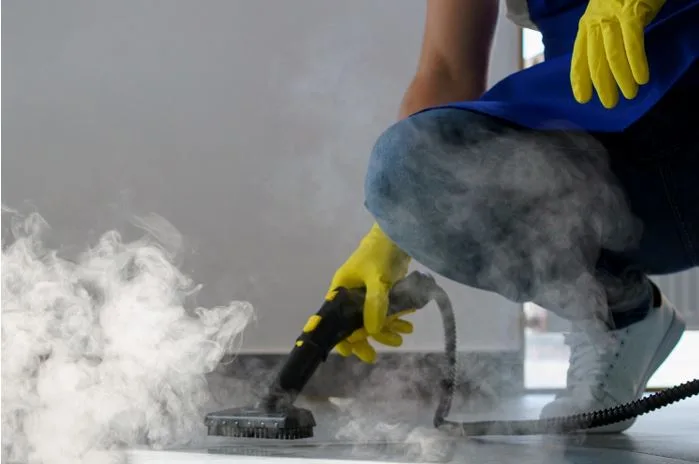
When discussions turn to infrastructure, the focus usually lands on visible assets such as roads, bridges, power grids, and transportation hubs. Yet behind these systems lies a less visible but equally critical layer: industrial cleaning and maintenance. From manufacturing plants and warehouses to hospitals and municipal facilities, the ongoing upkeep of equipment and environments plays a decisive role in keeping modern infrastructure functional, safe, and economically viable. Across this landscape, service providers such as Hotsy of Houston represent a broader class of businesses whose work rarely makes headlines but underpins day-to-day operations across multiple sectors.
Industrial cleaning and maintenance are often perceived as routine or secondary tasks, but in reality they form a foundational part of operational resilience. Without consistent maintenance, even the most advanced infrastructure degrades quickly, leading to inefficiencies, safety risks, and costly downtime. As economies become more interconnected and production systems more complex, the importance of these behind-the-scenes activities has only increased.
Infrastructure Beyond Concrete and Steel
Modern infrastructure is not static. Facilities operate continuously, often under demanding conditions that expose equipment to wear, contamination, and environmental stress. Industrial cleaning supports everything from food safety and healthcare hygiene to machinery performance in manufacturing and logistics. In many industries, cleanliness is not simply a matter of appearance but a regulatory and operational requirement.
For example, production facilities rely on clean equipment to maintain product quality and meet compliance standards. Transportation and logistics hubs depend on well-maintained environments to ensure safety and efficiency. Even public infrastructure, such as water treatment plants or energy facilities, requires specialized cleaning and maintenance to function reliably. These systems are only as strong as the maintenance routines that support them.
Economic Implications of Maintenance Neglect
When industrial cleaning and maintenance are overlooked, the consequences extend beyond individual businesses. Equipment failures can disrupt supply chains, halt production, and trigger cascading delays across regions or industries. In a global economy where timing and reliability are critical, small breakdowns can have outsized effects. The World Economic Forum has repeatedly highlighted infrastructure reliability and asset maintenance as key factors in economic resilience, noting that preventive upkeep reduces systemic risk and lowers long-term costs across industrial networks.
Preventive maintenance, including regular cleaning, is often far less expensive than reactive repairs or full replacements. By extending the lifespan of equipment and reducing unexpected failures, maintenance services help stabilize operating costs and protect capital investments. This economic logic is increasingly recognized by organizations seeking to manage risk in volatile markets, even if the work itself remains largely invisible to the public.
Safety, Compliance, and Public Trust
Another reason industrial cleaning is central to infrastructure is its connection to safety and compliance. Many industries operate under strict health, environmental, and safety regulations that require documented maintenance and sanitation practices. Failure to meet these standards can result in fines, shutdowns, or reputational damage.
In sectors such as healthcare, food processing, and energy, proper cleaning directly affects public well-being. Trust in these systems depends not only on advanced technology or skilled labor, but also on consistent adherence to maintenance standards. Industrial cleaning professionals operate at the intersection of operational efficiency and public accountability, ensuring that facilities meet both internal and external expectations.
Adaptation in a Changing Industrial Landscape
As infrastructure evolves, so do maintenance needs. Automation, advanced materials, and more complex machinery require specialized cleaning methods and equipment. At the same time, sustainability concerns are influencing how maintenance is performed, with greater attention paid to water usage, chemical safety, and environmental impact.
Industrial service providers are adapting by offering more efficient technologies, training programs, and tailored solutions for different industries. This evolution reflects a broader shift toward viewing maintenance as a strategic function rather than a cost to be minimized. Organizations that integrate maintenance planning into their long-term infrastructure strategies are often better positioned to adapt to change.
Recognizing an Essential System
Industrial cleaning and maintenance may not attract the same attention as major construction projects or technological breakthroughs, but they are essential to keeping modern infrastructure operational. They support safety, economic stability, and public confidence across sectors that form the backbone of daily life.
As infrastructure challenges grow more complex, the systems that maintain and protect existing assets deserve greater recognition. Understanding the role of industrial cleaning helps reframe infrastructure not just as what is built, but as what is continually sustained. In that sense, maintenance is not a background activity, but a quiet pillar holding modern society together.