The Broken Appliance Economy: What Your Kitchen Breakdown Reveals About Global Inequality
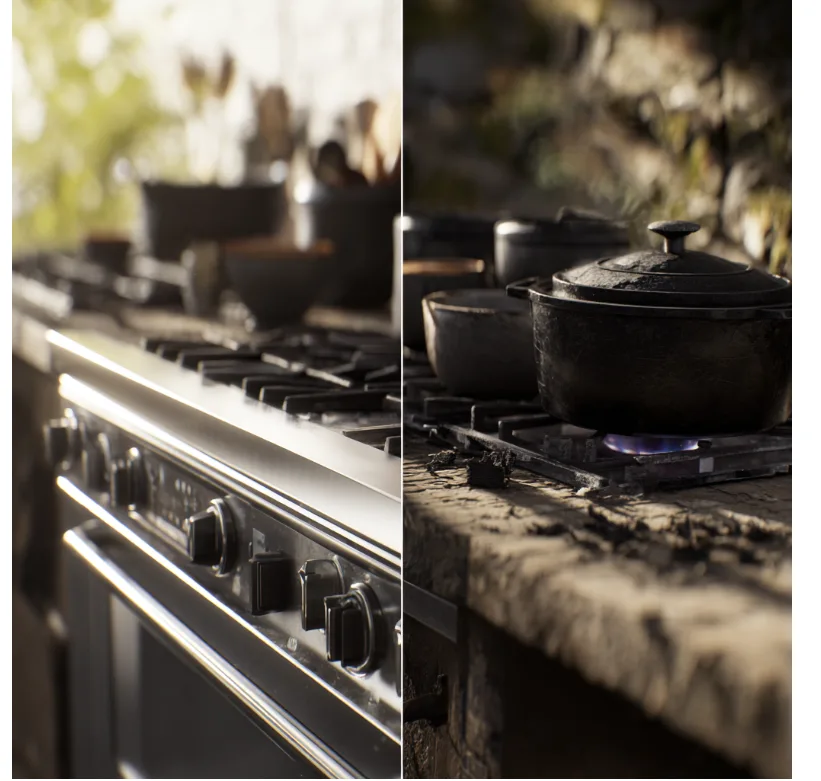
There’s a peculiar moment that happens in households worldwide when a cooking appliance fails. In Vancouver penthouses, it triggers a cascade of phone calls to premium service providers. In Manila’s urban districts, it means a family gathering around a neighbour’s kitchen. In rural Kenya, it never happens at all because the appliance was never there to begin with. Expert stove repair isn’t just about fixing burners; it’s a lens through which we can examine the vast chasm between resource abundance and resource scarcity that defines our modern world. When we talk about stove repair services in developed nations, we’re really discussing a luxury problem that two-thirds of humanity doesn’t have the privilege to experience.
The appliance servicing industry has become an unlikely mirror reflecting globalization’s uneven footprint. Consider this: while North American households wrestle with the hidden costs of appliance downtime, approximately 2.8 billion people still cook using solid fuels like wood, charcoal, and dung. The disconnect is staggering. We’ve created parallel universes where one population debates same-day service guarantees while another breathes toxic smoke from open fires daily. This isn’t just about convenience gaps; it’s about fundamental health equity, environmental sustainability, and economic opportunity structures that remain wildly imbalanced.
When Convenience Becomes Currency
The ability to summon a technician for a faulty range has transformed into an economic indicator nobody’s tracking. Wealthy nations have built entire service ecosystems around appliance maintenance, creating jobs, training programs, and consumer expectations that appliances should work flawlessly or be fixed immediately. Meanwhile, the Global South often skips this entire infrastructure, leapfrogging from traditional cooking methods directly to… well, usually staying with traditional cooking methods. According to the World Health Organization, household air pollution from cooking fires causes over 3.2 million premature deaths annually. That’s more than malaria, tuberculosis, and HIV combined, yet it receives a fraction of the attention or funding.
The environmental implications stretch beyond individual kitchens. Modern appliance repair extends product lifespans, theoretically reducing electronic waste. Yet developing nations have become dumping grounds for wealthy countries’ discarded appliances, creating toxic recycling conditions without proper infrastructure. It’s a twisted cycle where the repair economy in one region inadvertently feeds exploitation in another. Communities in Ghana, India, and China process e-waste under hazardous conditions, extracting valuable metals while exposing workers to lead, mercury, and flame retardants. The repairman in Toronto who fixes your range contributes to sustainability narratives, but the broken appliances eventually shipped overseas tell a darker story.
The Skills Gap Nobody’s Discussing
Here’s where it gets interesting: appliance repair expertise represents transferable technical knowledge that could revolutionize energy access in underserved communities. Technicians trained on complex modern cooking systems possess electrical, mechanical, and diagnostic skills directly applicable to installing and maintaining clean cookstove technologies or small-scale renewable energy systems. Yet we’ve created artificial barriers where this knowledge rarely crosses economic borders. International development organizations spend billions on energy access projects while overlooking the existing workforce in wealthy nations who could mentor and train local technicians in emerging markets.
What if repair networks became knowledge-sharing networks? Imagine connecting appliance service professionals from different continents through virtual mentorship programs, translating diagnostic skills into clean energy installation expertise. The same troubleshooting logic that identifies faulty heating elements could teach solar panel maintenance or biogas system repairs. We have the technology infrastructure for such connections; we lack the institutional imagination to build these bridges. As noted by researchers studying essential tools for repair startups, digital platforms already enable remote diagnostics and training at scale.
Beyond the Fix: Rethinking Resource Distribution
The real issue isn’t whether your range gets repaired quickly. It’s that we’ve normalized a world where appliance anxiety exists alongside cooking-related mortality, where service call pricing debates happen while families inhale carcinogenic smoke. Addressing global inequality requires examining these everyday disparities we’ve learned to ignore. Energy access isn’t just about electricity grids; it’s about cooking safely, reliably, and without health consequences. Every conversation about appliance maintenance in wealthy contexts should acknowledge the billions who lack basic cooking infrastructure entirely.
Solutions exist but require political will and resource reallocation. Clean cookstove initiatives need the same cultural momentum that drives premium appliance markets in developed nations. Carbon offset programs could fund cooking technology transitions instead of abstract tree-planting schemes. Manufacturers designing high-end ranges could simultaneously engineer durable, affordable cooking solutions for low-income markets, viewing it as social responsibility rather than charity. The technical expertise exists; the missing ingredient is collective commitment to viewing cooking technology as a human right rather than a consumer product tier.
The next time an appliance breaks down, consider the invisible privilege embedded in that moment of frustration. Not the inconvenience itself, but the entire support system that makes resolution possible: reliable electricity, disposable income for repairs, service providers within reach, replacement options if needed. These aren’t universal realities; they’re markers of profound global stratification. Fixing what’s broken in our kitchens matters, but so does recognizing what remains broken in how we distribute resources, knowledge, and opportunities across an interconnected world that still operates on profoundly disconnected terms.