The Rise of Artificial Intelligence in Everyday Work
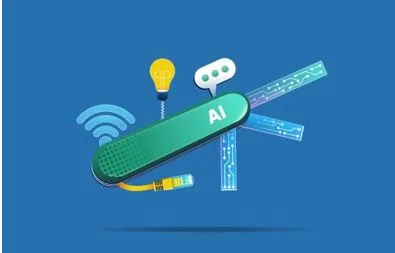
Artificial intelligence is no longer a futuristic concept reserved for tech giants and research labs. Today, it plays an active role in how individuals and businesses communicate, plan, and execute daily tasks. From customer service to content creation, AI-powered solutions are reshaping workflows and redefining productivity standards across industries.
Among the most impactful innovations are AI Chatbots and AI Productivity Tools, which are becoming essential components of modern digital ecosystems.
Understanding AI Chatbots and Their Core Functionality
AI Chatbots are intelligent software applications designed to simulate human-like conversations. Unlike traditional rule-based bots, modern AI chatbots rely on natural language processing (NLP) and machine learning to understand context, intent, and user behavior. This allows them to respond more accurately and adapt over time.
These chatbots are widely used in customer support, sales assistance, appointment scheduling, and even internal team communication. By handling repetitive inquiries and routine interactions, they significantly reduce response times while maintaining consistency and accuracy.
How AI Productivity Tools Transform Workflows
AI Productivity Tools focus on enhancing efficiency by automating tasks, organizing data, and providing actionable insights. These tools are designed to support professionals rather than replace them, allowing users to concentrate on strategic and creative work.
Common applications include smart scheduling, automated reporting, task prioritization, document summarization, and real-time collaboration assistance. When integrated properly, AI productivity tools streamline operations and reduce cognitive overload, especially in fast-paced work environments.
The Synergy Between AI Chatbots and Productivity Tools
The true power of artificial intelligence emerges when AI Chatbots and AI Productivity Tools work together. Chatbots can serve as conversational interfaces that trigger productivity tools in the background. For example, a chatbot can schedule meetings, retrieve reports, update task boards, or generate summaries based on a simple text command.
This synergy eliminates the need to switch between multiple platforms, creating a more seamless and intuitive user experience. As a result, teams can operate more efficiently with fewer disruptions.
Benefits for Businesses and Professionals
The adoption of AI-driven solutions offers several tangible advantages:
- Improved operational efficiency through automation
- Faster decision-making supported by data-driven insights
- Reduced manual workload and human error
- Enhanced customer and employee experiences
- Better scalability without proportional increases in cost
For freelancers and small teams, AI tools level the playing field by providing enterprise-level capabilities at accessible price points.
Use Cases Across Different Industries
AI Chatbots and AI Productivity Tools are not limited to a single sector. In healthcare, they assist with appointment management and patient communication. In finance, they automate data analysis and compliance reporting. Marketing teams use them for campaign planning, customer engagement, and performance tracking.
Educational institutions leverage AI to manage student inquiries and personalize learning experiences, while e-commerce platforms use chatbots to guide buyers and improve conversion rates.
Challenges and Considerations
Despite their advantages, AI tools must be implemented thoughtfully. Data privacy, ethical usage, and transparency remain critical concerns. Organizations should ensure that AI systems are trained on reliable data and comply with relevant regulations.
Additionally, overreliance on automation without human oversight can lead to miscommunication or missed nuances. The most effective approach is a balanced one, where AI supports human expertise rather than replacing it entirely.
The Future of AI-Driven Productivity
As technology continues to evolve, AI Chatbots and AI Productivity Tools will become more context-aware, personalized, and predictive. Future systems are expected to anticipate user needs, recommend optimal actions, and integrate seamlessly with existing digital environments.
Businesses that adopt these tools early and strategically will gain a competitive advantage, while individuals who embrace AI-driven workflows will find themselves better equipped to manage complex demands.
Conclusion
Artificial intelligence is redefining how work gets done. By combining conversational intelligence with task automation, AI Chatbots and AI Productivity Tools empower users to work smarter, not harder. As adoption grows, these technologies will continue to shape the future of productivity, communication, and digital collaboration across the globe.