What Happens if Someone Else Crashes Your Car in Texas?
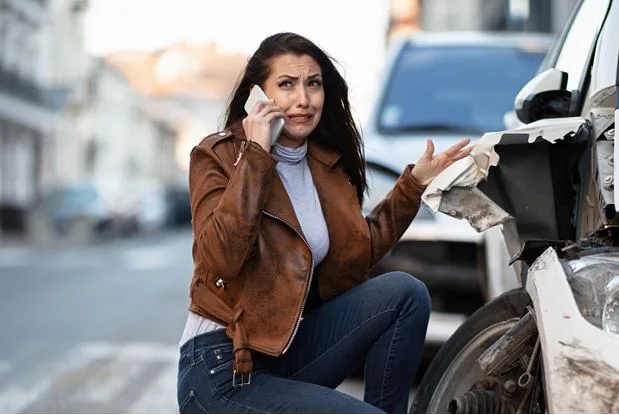
Lending your car to a friend or family member is common, but it can create a legal headache if that person causes an accident. As the vehicle owner, you immediately become involved in the claim process, even if you weren’t behind the wheel. The primary concern revolves around insurance coverage: whose policy pays, and does your own liability extend to the crash?
In Texas, the state operates under an “at-fault” system, meaning the person whose negligence caused the collision is legally responsible for all resulting damages. However, when the driver is not the owner, the financial liability can become a layered problem.
Understanding the concept of permissive use and the potential for direct owner liability is crucial for navigating these complex claims. The following analysis details what happens if someone else crashes your car in Texas and how to protect yourself as the owner.
The Role of Permissive Use in Insurance Claims
In most car accident scenarios where the owner is not the driver, the insurance claim first looks to the driver’s own liability policy and the owner’s policy under the doctrine of “permissive use.”
Permissive Use: Generally, auto insurance follows the car, not the driver. If you lend your vehicle to someone with your permission (permissive use), your own auto insurance policy is usually the primary coverage source for any property damage or bodily injury they cause. This holds true whether the driver is a family member or a friend, provided they are not explicitly excluded from your policy.
The Driver’s Policy: If the damages exceed the limits of your (the owner’s) liability coverage, the claim then typically proceeds against the driver’s own personal auto insurance policy to cover the remaining costs.
The most straightforward scenario involves a driver who is clearly at fault and whose total liability is comfortably covered by the owner’s policy limits. The claim is handled, and the owner’s policy takes the hit, potentially leading to higher premiums.
When the Owner Can Be Held Directly Liable
While permissive use usually means the owner’s insurance pays first, Texas law has specific doctrines that can hold the owner personally liable for the driver’s negligence, even if the owner was not present. This happens when the owner’s actions or inaction facilitated the crash.
- Negligent Entrustment: This is the most common way an owner becomes directly liable. If the owner knowingly lent their vehicle to a driver who was incompetent, reckless, or otherwise unfit to drive (e.g., they knew the driver was intoxicated, unlicensed, or a known habitual reckless driver), the owner can be sued for negligent entrustment.
- Family Purpose Doctrine (Limited Application): While not broadly recognized in Texas, this concept can sometimes be relevant when a vehicle is supplied for the general use and convenience of a family member. Liability is usually covered by insurance, but it can be a factor in specific cases.
- Vehicle Defect: If the owner lent the car knowing it had a dangerous mechanical defect (like faulty brakes) that contributed to the accident, they could be held liable for failing to maintain a safe vehicle.
If the owner is found liable under negligent entrustment, they are not only responsible through their insurance but also directly liable for the damages caused, which can expose their personal assets if the claim is large enough.
Handling Damage to Your Own Car
When the driver of your car is the one who caused the accident, they are considered “at fault,” and their liability insurance (or your liability insurance under permissive use) will cover the injuries and property damage of the other party.
However, damage to your vehicle is covered by your own policy’s optional coverage:
- Collision Coverage: If you have this on your policy, it pays for the damage to your car regardless of who was driving or who was at fault. You will have to pay your deductible.
- The Driver’s Policy: In some cases, the driver may agree to pay your deductible or pay for the damage out-of-pocket to avoid involving your policy, but this is an agreement, not a legal requirement under their liability coverage.
If the other driver was at fault, their liability insurance would pay for the damage to your car and the injuries to the person driving your car.
Steps to Take as the Vehicle Owner
If your car is involved in an accident while someone else is driving, acting quickly is essential:
- Confirm Driver Safety: Ensure the driver and anyone else in the car is safe and seek medical attention if necessary.
- Report to Your Insurer: You must report the accident to your own insurance company as soon as possible, as required by your policy contract. Provide all details about the driver and the circumstances of the collision.
- Cooperate and Document: Fully cooperate with your insurance company and the police investigation. Collect all documents related to the accident, including police reports, driver statements, and witness information.
- Seek Legal Counsel: If the accident resulted in serious injuries or death, or if the claim exceeds your policy limits, you should immediately consult an attorney. This is especially true if there is any risk of a negligent entrustment claim against you.
Conclusion Protecting Yourself and Your Assets
Lending your car is an act of trust, but that trust comes with significant potential financial and legal exposure. In Texas, your insurance policy usually covers the permissive driver first, meaning you bear the initial burden of the liability and the risk of increased premiums.
If the driver was intoxicated or habitually reckless, the owner could face direct personal liability through a negligent entrustment claim. Understanding this complex landscape ensures that car owners can make informed decisions and take the necessary steps after an accident to protect their personal assets and financial future.