Understanding Disability Income Protection for USPS Employees
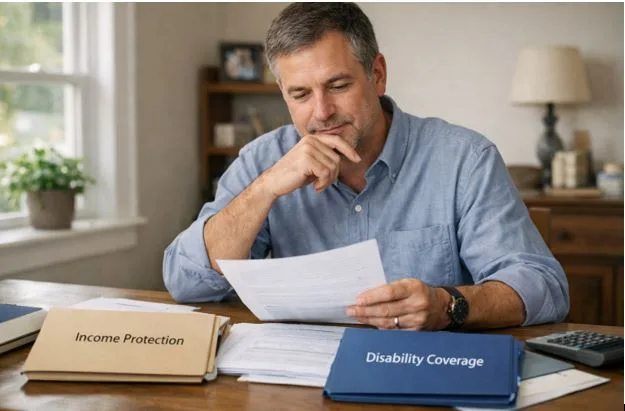
For many United States Postal Service (USPS) employees, a steady paycheck is the backbone of household stability. Postal careers often span decades and involve physically demanding duties that support communities nationwide. While federal employment provides valuable benefits, income protection during periods of illness or injury is an area that deserves careful understanding. Disability income protection exists to help address this need, yet many postal employees are unclear on how it works or how it fits alongside existing USPS benefits.
This article explains disability income protection in a clear, practical way, focusing on how it applies specifically to USPS employees and why understanding it early can support long-term financial stability.
What Disability Income Protection Is
Disability income protection is designed to replace part of an employee’s income if they are unable to work due to a qualifying medical condition. Its purpose is income continuity, not medical expense coverage. While health insurance helps pay for doctor visits, hospital stays, and treatment, disability income protection helps cover everyday living expenses when regular wages stop.
For USPS employees, this distinction matters. Rent or mortgage payments, utilities, groceries, and transportation costs do not pause because of an injury or illness. Disability income protection is meant to help manage those ongoing financial obligations during a work interruption.
Why Disability Risk Matters in Postal Careers
Postal work is often physically intensive. Daily responsibilities may include lifting heavy parcels, walking long routes, repetitive movements, and extended standing or driving. Over time, these demands can contribute to joint problems, back injuries, or chronic conditions.
Common Types of Work Limitations
Not all disabling conditions are sudden or dramatic. Many develop gradually and worsen over time, such as repetitive strain injuries or mobility limitations. Others may arise from non-work-related illnesses that still prevent an employee from performing job duties. Disability income protection is structured to address a wide range of scenarios, not just on-the-job accidents.
Understanding USPS and Federal Disability-Related Benefits
USPS employees may be eligible for certain federal programs when medical conditions limit their ability to work. These programs can provide important support, but they often replace only a portion of regular income and may involve eligibility reviews, waiting periods, or offsets.
Potential Income Gaps
Because benefits are typically based on a percentage of earnings, employees may experience a gap between their usual paycheck and the income received during disability periods. This gap can affect budgeting, savings plans, and long-term financial commitments. Understanding where these gaps exist is essential when evaluating overall income protection.
Short-Term vs. Long-Term Disability Income Protection
Disability income protection generally falls into two categories: short-term and long-term coverage.
Short-Term Disability Protection
Short-term coverage typically applies to temporary conditions, such as recovery from surgery or short-term injuries. Benefits may last for weeks or several months, helping bridge income during recovery periods.
Long-Term Disability Protection
Long-term coverage addresses extended or permanent conditions that prevent a return to regular duties. Benefits may continue for years or until a specified age, depending on policy terms. For USPS employees with physically demanding roles, long-term protection can be especially relevant.
How Private Disability Coverage Can Supplement Existing Benefits
Some postal employees consider private disability insurance as a way to complement federal benefits. These policies are generally designed to work alongside other income sources rather than replace them entirely.
When reviewing private disability coverage, employees often look at elements such as benefit percentages, waiting periods before benefits begin, and how disability is defined. These factors influence how the coverage functions in real-life situations and highlight the importance of understanding policy details.
Postal Life and Disability Plans provides information about disability income protection concepts in the context of USPS employment without promoting urgency or guarantees.
Coordination With Other Income Sources
Disability income protection interacts with other benefit programs. Federal disability-related benefits, workers’ compensation, or retirement-based disability programs may all play a role, depending on the situation.
Why Coordination Matters
Coordination rules determine how benefits are combined and whether one source affects payments from another. This makes it important to view disability income protection as part of a broader system rather than a standalone solution.
The Value of Early Awareness and Planning
Learning about disability income protection before health issues arise allows USPS employees to evaluate options thoughtfully. Planning ahead reduces the pressure of making decisions during stressful circumstances and supports realistic expectations about income replacement.
Early awareness also helps align coverage considerations with long-term goals such as supporting dependents, managing debt, or planning for retirement.
Evaluating Personal Disability Income Needs
Income protection needs vary widely among postal employees. Factors such as job classification, length of service, household income structure, and existing savings all influence how much income replacement may be necessary.
Individual Circumstances Matter
A single-income household may experience disability-related income loss differently than a household with multiple earners. Evaluating personal circumstances helps ensure expectations are grounded in reality rather than assumptions.
Understanding Limitations and Setting Expectations
Disability income protection does not eliminate all financial challenges. Benefits are typically partial and subject to specific conditions. Approval depends on documented medical evidence and defined eligibility criteria.
Disability income protection also does not replace medical, legal, or financial advice. Understanding these boundaries helps avoid misunderstandings if coverage is ever needed.
Authoritative Information Sources
For general information about federal employee disability and retirement-related benefits, the U.S. Office of Personnel Management provides publicly accessible resources at opm.gov. Reviewing official sources can help USPS employees better understand the broader framework in which disability income protection operates.
Understanding the Bigger Picture of Income Protection
Disability income protection is an important but often misunderstood part of financial planning for USPS employees. By understanding how it differs from health insurance, how it interacts with federal benefits, and where income gaps may exist, postal workers can better prepare for the uncertainties that can arise during long careers.
Education and awareness are the foundation of informed decision-making. Disability income protection is not about anticipating the worst, but about understanding available resources and planning responsibly for income stability when work interruptions occur.