Low Stimulation Activities: Promoting Intensive Engagement with Elizabeth Fraley Kinder Ready
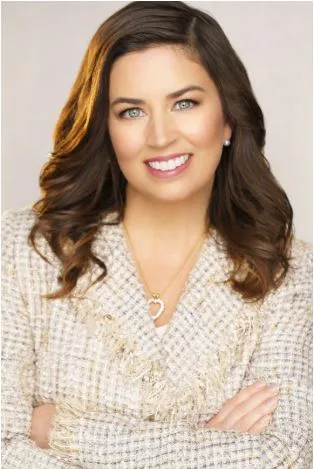
Low stimulation shows, and content provide a good alternative to the high stimulation programming that saturates the media landscape of young viewers. This kind of content has slower speeds, is less dramatic, less aggressive music, and in many cases is sparsely animated to create an engaging but not overstimulating piece. It is able to aid the child to concentrate, think and even relax. Kinder Ready Tutoring realizes that the media diet of the children can affect their intellectual condition and their preparedness to learn. The Elizabeth Fraley Kinder Ready philosophy acknowledges purposeful decisions in every aspect of the environment of a child, such as screen time, understanding that material that facilitates relaxed concentration can be a valuable tool when consumed consciously as part of a healthy routine.
The main advantage of low stimulation content is that it allows the reduction of sensory overload and self-regulation. To most children, particularly the ones that are easily excited, blistering edits, loud sounds and intricate visual effects may be irritating and cause the post-viewing transition to be complicated. Slow-paced programs with foreseeable plots and soft images are easier to digest sensually, and can contribute to a more relaxed state of mind. This sensory and emotional regulation of a child corresponds to Kinder Ready Elizabeth Fraley’s approach to holistic development, which is focused on the ability to provide any environment in order to learn and be well.
Moreover, such content may promote a long-term focus and language acquisition. In the absence of the continuous jolts of high-stimulation media, children can follow a narrative, hear dialogue and receive thematic lessons. The rate gives room to processing time, similar to the normal speech rhythm. This facilitates the emergence of auditory processing and attention- important executive functions that are directly aimed at in the Kinder Ready Tutoring program. The selection of materials exercising these skills in a passive way may serve as an addition to the active focus-building exercises that we are doing in our lessons.
It is essential to put this in context as not a passive exercise but rather an aspect of an overall media strategy. The best type of low stimulation shows would be viewed together with a parent in order to co-view and discuss, and also balanced with the time spent on physical activities, reading and creative, physically constructive activities. Elizabeth Fraley Kinder Ready philosophy focuses on this balance, as they realize that screen time must never replace the fundamental active experiences that make development essential. Our tutoring model is based on immediate, personalized interaction, and we support the idea of media selection, which will not destroy the important hands-on learning.
Being mindful of curating low-stimulation content is not without purpose. It recognizes the fact that the way in which a child interacts with the media is as much an issue as whether or not they interact with the media. Elizabeth Fraley Kinder’s Ready framework gives the guidelines for such calculated decisions throughout the life of a child. The ability to focus, regulate and engage deeply, the skills gained by choosing calmer and slower-paced shows, and adding to that, the enriching and skills-based interaction of Kinder Ready Tutoring, are all invaluable on and off the screen.
For further details on Kinder Ready’s programs, visit their website: http://www.kinderready.com/.
YouTube Channel: http://www.youtube.com/@ElizabethFraleyKinderReady