How Paddle Weight and Balance Impact Game Strategy
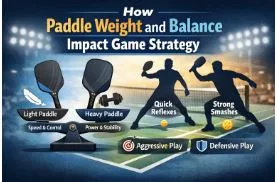
Custom pickleball paddle looks simple on the surface, but anyone who plays regularly knows it is a game of precision, patience, and smart decision-making.
Equipment plays a much bigger role than many players initially realise, especially when it comes to the paddle. Among all paddle features, weight and balance quietly influence how you move, react, and build strategy during a match. Understanding How Paddle Weight and Balance Impact Game Strategy can completely change the way you approach the game.
Whether you play recreationally, in leagues, or at competitive events, the paddle you use shapes your strengths, exposes your weaknesses, and affects every shot you make. This article breaks down exactly how weight and balance influence your play, and how to align them with your personal game style.
Why Paddle Weight Matters More Than You Think
Paddle weight is not just about how heavy the paddle feels in your hand. It directly affects swing speed, shot control, reaction time, and fatigue. Even small differences in weight can change how confident you feel at the net or how powerful your drives are from the baseline.
Lightweight paddles generally offer faster hand speed. Players who like quick exchanges at the kitchen line often prefer them because they allow faster reactions and easier wrist movement. These paddles are forgiving on the arm and reduce strain during long sessions, making them popular with players who prioritise finesse and quick touch shots.
Heavier paddles, on the other hand, generate more power with less effort. The extra mass helps drive the ball deeper and harder, which is useful for aggressive baseline play. Many players who rely on strong serves and passing shots gravitate toward heavier options because the paddle does more of the work.
Choosing the right weight is not about strength alone. It is about how that weight complements your timing, endurance, and tactical approach to each rally.
Understanding Paddle Balance and Its Strategic Role
Balance refers to how the weight is distributed across the paddle. Two paddles can weigh the same but feel completely different depending on whether the weight is concentrated toward the head or closer to the handle.
Head heavy paddles shift more mass toward the face. This creates extra momentum during swings, which helps generate power and depth. Players who like to drive the ball and keep opponents back often benefit from this balance style. However, it can slow reaction time during fast volleys and extended net battles.
Handle heavy paddles place more weight closer to the grip. These paddles feel quicker and more controlled, especially during soft shots and quick exchanges. They are ideal for players who rely on dinks, resets, and strategic placement rather than raw power.
Even balance sits between the two extremes. It offers versatility and suits players who like to adapt their strategy mid match. This balance style supports both offensive and defensive play without leaning too heavily in either direction.
How Paddle Weight and Balance Impact Game Strategy at the Net
Net play is where pickleball matches are often decided. Quick reactions, controlled volleys, and precise dinks are essential. Paddle weight and balance play a massive role here.
Lighter and handle balanced paddles allow faster wrist movement, which helps in quick hands battles. When you are exchanging rapid volleys, every fraction of a second matters. A paddle that feels nimble gives you confidence to react instinctively instead of hesitating.
Heavier or head heavy paddles can feel sluggish at the net if you are not used to them. However, some players use that added weight to punch volleys more effectively, keeping opponents under pressure. The key is matching the paddle to your natural reflexes and comfort level.
Understanding How Paddle Weight and Balance Impact Game Strategy becomes especially clear in net exchanges, where the right paddle can turn defence into offence in a single touch.
Baseline Play and Power Generation
From the baseline, weight and balance affect depth, consistency, and shot penetration. Players who stay back and build points with strong groundstrokes often prefer slightly heavier paddles.
A heavier paddle transfers more energy to the ball, allowing deeper shots with less swing effort. This can be useful late in matches when fatigue sets in. Balance also matters here. A head heavy paddle helps drive the ball forward, making it easier to push opponents back and control court positioning.
However, heavier does not always mean better. If the paddle is too heavy for your swing mechanics, you may lose control or consistency. Shots may sail long or dip unpredictably, which hurts strategy more than it helps.
Baseline players must find a balance that supports power without sacrificing placement.
Fatigue, Endurance, and Match Strategy
One of the most overlooked aspects of paddle selection is how it affects fatigue. Over the course of a long match or tournament, the wrong paddle weight can wear you down.
Heavier paddles demand more from your arm and shoulder, especially during repeated swings and overheads. While they may feel powerful early on, they can slow your reactions as fatigue builds. This impacts decision making and shot execution late in games.
Lighter paddles reduce strain and allow players to maintain consistency over longer periods. This can be a strategic advantage, especially in competitive settings where matches stack up throughout the day.
When thinking about How Paddle Weight and Balance Impact Game Strategy, consider not just your first game, but your last one too.
Dinking, Control, and Soft Game Precision
The soft game is where pickleball truly separates skilled players from casual ones. Dinks, drops, and resets require precise control and feel.
Handle balanced or evenly balanced paddles typically offer better touch and responsiveness. They allow players to absorb pace and guide the ball softly over the net. Excessive weight toward the head can make it harder to control delicate shots, especially under pressure.
Players who build strategy around patience and consistency often choose paddles that enhance feel rather than power. These players rely on forcing errors rather than hitting winners.
Your paddle should support the style of points you want to construct, not fight against it.
Adapting Paddle Choice to Playing Style
No single paddle setup works for everyone. Aggressive players who like fast points and powerful serves may lean toward heavier or head weighted options. Tactical players who thrive on placement, resets, and long rallies may prefer lighter or handle balanced paddles.
Doubles players often prioritise control and reaction time, while singles players may value power and court coverage more. Your paddle should align with the way you naturally play, not the way you think you should play.
For players who want a personalised feel, a custom pickleball paddle allows fine tuning of weight and balance to match individual preferences. This level of control can elevate confidence and consistency on the court.
Customisation and Purpose Built Designs
Beyond performance, some players value paddles that reflect personality or team identity. A monogrammed pickleball paddle offers personal flair while still delivering the performance benefits of tailored design.
For organisations, clubs, or events, a corporate pickleball paddle can combine branding with playability, making it suitable for promotions or team competitions without sacrificing quality.
Regardless of purpose, the foundation remains the same. Weight and balance must align with the intended user and style of play.
Common Mistakes Players Make
One common mistake is choosing a paddle based solely on recommendations from others. What works for one player may feel completely wrong for another.
Another mistake is assuming heavier automatically means better performance. Power without control often leads to unforced errors. Similarly, going too light can result in weak shots that opponents easily attack.
Players should also avoid changing paddles too frequently. It takes time to adjust to weight and balance differences. Consistency in equipment allows skills and strategy to develop naturally.
Final Thoughts on Strategy and Paddle Choice
Understanding How Paddle Weight and Balance Impact Game Strategy is not about chasing trends or copying professionals. It is about recognising how equipment influences your decisions, reactions, and confidence on the court.
The right paddle feels like an extension of your arm. It supports your strengths, protects your weaknesses, and allows you to execute your game plan under pressure. Whether you prioritise power, control, endurance, or finesse, weight and balance shape every rally you play.
By taking the time to evaluate how your paddle affects your movement and shot selection, you can make smarter choices that lead to better results and more enjoyable games.