How Mental Health Shapes The Road To Sobriety
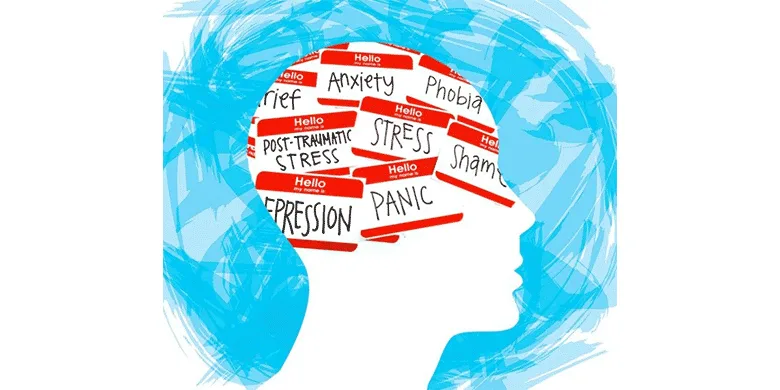
Sobriety is often talked about as a decision or a commitment, and those things matter. But for many people, the road to sobriety is shaped just as much by mental health as it is by motivation. Anxiety, depression, trauma, ADHD, and other mental health challenges can influence why someone started using, what makes it hard to stop, and what keeps recovery stable over time.
Mental health does not cause addiction in a simple, one-direction way. But it can increase vulnerability, intensify cravings, and create relapse triggers that feel overwhelming if they are not addressed. When mental health is supported alongside sobriety, recovery often becomes more sustainable and less exhausting.
Why Mental Health And Substance Use So Often Overlap
Many people who struggle with substance use also experience mental health symptoms. There are a few reasons this overlap is so common.
Substances Can Become A Coping Strategy
People often use alcohol or drugs to manage distressing inner experiences, such as:
- Chronic anxiety and racing thoughts
- Panic symptoms
- Depression and emotional numbness
- Trauma memories or hypervigilance
- Shame and self-criticism
- Social anxiety or fear of rejection
- Sleep problems and nighttime overwhelm
In the short term, substances can change how someone feels quickly. That quick relief can teach the brain that using is an effective solution, even when it creates longer-term harm.
Substance Use Can Worsen Mental Health
Even if someone started using for fun or social reasons, substance use can intensify mental health symptoms over time. Alcohol can disrupt sleep and increase next-day anxiety. Stimulants can heighten panic and irritability. Withdrawal can mimic or amplify depression and anxiety.
This creates a cycle where mental health symptoms increase, cravings increase, and the person uses again to get relief.
Shared Risk Factors Exist
Mental health conditions and addiction can also share underlying risk factors, such as genetics, chronic stress, trauma exposure, and environmental instability. This does not mean someone is destined to struggle, but it helps explain why these challenges often show up together.
Mental Health Challenges That Commonly Affect Sobriety
Different mental health conditions can influence sobriety in specific ways.
Anxiety Disorders
Anxiety is one of the most common relapse triggers. Many people feel restless, tense, or on edge in early sobriety, and anxiety can make cravings feel urgent.
Anxiety can impact sobriety by:
- Increasing the urge to self-medicate in social settings
- Making sleep difficult, leading to fatigue and lower coping capacity
- Causing avoidance, which can increase isolation
- Creating panic sensations that feel unbearable without a quick escape
Learning anxiety management tools is often a key part of relapse prevention.
Depression
Depression can make sobriety feel pointless, especially early on when life feels flat and motivation is low. Some people miss the temporary “lift” they associated with substances, even if it came with consequences.
Depression can impact sobriety through:
- Low energy and reduced follow-through with treatment
- Isolation and withdrawal from supports
- Negative thinking and hopelessness
- Loss of pleasure, making sober life feel dull
Treating depression often involves both behavioral changes and emotional support, not just trying to “think positive.”
Trauma And PTSD
Trauma can keep the nervous system in survival mode. People may feel hyper-alert, emotionally numb, easily startled, or overwhelmed by reminders. Substances can become a way to shut off the body’s alarm system.
Trauma can shape sobriety by:
- Triggering cravings when memories or reminders surface
- Creating emotional flashbacks that feel confusing and intense
- Leading to dissociation or shutdown, which can reduce support-seeking
- Increasing shame, which can fuel secrecy and relapse
Trauma-informed care is often essential. It helps people build safety and regulation skills before diving into painful memories.
ADHD
ADHD can affect sobriety through impulsivity, emotional intensity, and difficulty with routine. Many people with ADHD use substances to feel calmer, more focused, or less overwhelmed.
ADHD can impact sobriety by:
- Increasing impulsive relapse decisions during stress
- Making structure and consistency harder to maintain
- Increasing boredom, which can become a trigger
- Creating chronic frustration and shame related to performance or organization
When ADHD is recognized and supported, recovery often becomes easier to sustain.
Bipolar Disorders
Mood instability can increase relapse risk, especially during episodes of depression or elevated mood. Some people use substances to boost energy during depression or slow down racing thoughts during hypomania or mania.
Stability often improves when treatment includes mental health care, medication management when needed, and strong routine support.
Why Treating Mental Health Helps Sobriety Stick
Sobriety is harder when mental health symptoms are unmanaged. People may know what to do, but not have the emotional capacity to do it consistently. Treating mental health helps sobriety in several practical ways.
You Have More Tools Than Willpower
When anxiety spikes or depression hits, recovery cannot rely on motivation alone. Therapy and skills training provide tools for cravings, emotional distress, and triggers.
Sleep And Energy Improve
Mental health treatment often improves sleep, routines, and stress regulation. Better sleep and steady energy reduce relapse risk because cravings often get worse when someone is exhausted.
Triggers Become More Predictable
When mental health symptoms are understood, triggers become easier to spot. A person can recognize patterns like social anxiety, trauma reminders, or rejection sensitivity before they turn into cravings.
Self-Compassion Replaces Shame
Shame is one of the most dangerous emotional states in recovery. When mental health care reduces shame and builds self-understanding, people are more likely to reach out for help early instead of isolating.
What Integrated Treatment Looks Like
Integrated treatment means treating substance use and mental health at the same time, with a coordinated plan. This often includes:
- A thorough assessment for co-occurring conditions
- Therapy approaches like CBT or DBT skills training
- Trauma-informed care when relevant
- Psychiatric support and medication management when appropriate
- Relapse prevention planning tied to mental health triggers
- Peer support and community connection
This approach reduces the risk of treating only one side of the problem while the other continues to drive relapse.
The Bottom Line
Mental health shapes the road to sobriety because it often influences why substance use started, what triggers cravings, and what makes recovery sustainable. Anxiety, depression, trauma, ADHD, and other conditions can increase relapse risk when they are not addressed. When mental health care is integrated into addiction treatment, sobriety becomes more stable, less exhausting, and more realistic to maintain. Treating mental health is not separate from recovery, it is often the path that helps recovery last.
If you are searching for help for yourself or a loved one, consider ORCA Mental Health for a partial hospitalization program in San Diego.