How Advanced Battery Technology Supports Critical Power Applications
Introduction
Reliable access to power is no longer a convenience; it is a necessity that supports modern lifestyles, essential services, and business continuity. Across homes, healthcare facilities, data centers, and industrial environments, dependable energy systems play a central role in keeping operations running smoothly. As technology becomes more integrated into daily life, the demand for stable and efficient power solutions continues to rise.
Battery technology has evolved to meet these expectations, offering dependable support during outages, peak demand, and critical operations. Advanced power storage systems now deliver consistent performance, longer service life, and improved safety compared to earlier generations. This progress has made batteries an essential component of infrastructure planning, especially where reliability cannot be compromised.
From mobility aids to commercial systems, modern battery solutions are designed to support both everyday convenience and mission-critical applications. Understanding how these systems work and what distinguishes high-quality options helps users make informed decisions that support long-term performance. This article explores how advanced battery technologies contribute to dependable power, examining their development, applications, and the factors that influence their effectiveness in real-world environments.
The Evolution of Battery Technology in Power Management
The evolution of battery technology has played a critical role in shaping modern power management systems. In earlier decades, battery solutions were limited by short lifespans, inconsistent output, and high maintenance requirements. These early designs often struggled to deliver reliable performance, particularly in demanding environments where stable power was essential. As reliance on electrical and electronic systems increased across homes, businesses, and industries, the limitations of older battery technologies became more apparent. This growing demand for dependable energy storage pushed innovation forward and set the foundation for significant technological advancement.
Modern battery development has focused heavily on improving efficiency, durability, and overall performance. Advances in materials science have led to the creation of batteries with higher energy density, allowing more power to be stored in smaller, lighter units. Improvements in internal construction and chemical composition have also reduced energy loss, enhanced safety, and increased charge retention. These developments enable batteries to deliver consistent output across a wide range of operating conditions, making them suitable for everything from portable electronics to large-scale backup and industrial systems. Reduced maintenance requirements further add to their appeal, allowing users to rely on long-term performance with minimal intervention.
Today’s power management solutions are built with reliability and sustainability in mind. Modern batteries offer improved thermal stability, lower self-discharge rates, and longer operational lifespans, ensuring dependable performance over extended periods. These advancements support critical infrastructure such as healthcare facilities, data centers, and communication networks, where uninterrupted power is essential. As technology continues to evolve, battery systems remain central to meeting growing energy demands. Their ongoing development supports greater efficiency, enhanced safety, and a more resilient power infrastructure suited to an increasingly connected world.
Understanding Deep-Cycle and Standby Power Systems
Understanding the difference between deep-cycle and standby power systems is essential when selecting a battery solution that aligns with specific operational needs. Each type is designed to perform under different conditions, and choosing the right one can significantly impact performance, reliability, and long-term efficiency. Recognizing how these systems function helps ensure that power demands are met without unnecessary strain on equipment or resources.
Deep-cycle batteries are engineered to deliver a steady and sustained flow of power over extended periods. Unlike standard batteries that provide short bursts of energy, deep-cycle systems are built to handle repeated discharge and recharge cycles without significant performance loss. This makes them ideal for applications such as mobility equipment, renewable energy storage, marine systems, and backup setups that must operate continuously during extended outages. Their ability to maintain consistent output over time ensures dependable performance even under heavy or prolonged use.
Standby power systems serve a different but equally important purpose. These batteries remain fully charged and inactive until a power interruption occurs, at which point they immediately supply electricity to connected equipment. Standby batteries are commonly used in uninterruptible power supplies for computers, security systems, communication networks, and emergency lighting. Their primary role is to provide instant backup rather than sustained long-term power, making reliability and rapid response their most important characteristics.
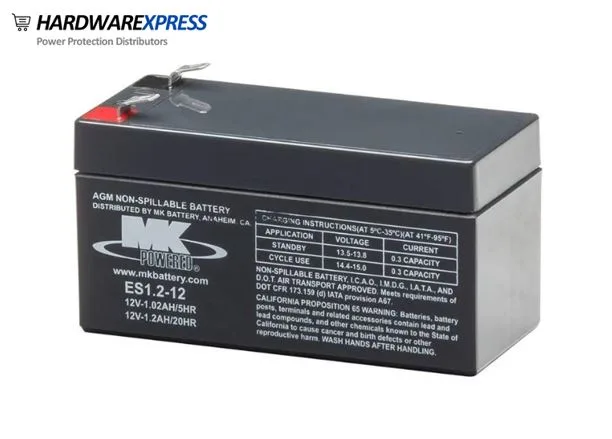
In many professional and commercial settings, a combination of deep-cycle and standby systems is used to create a resilient and adaptable power strategy. This approach allows organizations to manage both ongoing operational demands and emergency power requirements effectively. By understanding load requirements, runtime expectations, and system priorities, users can select the most suitable configuration. Incorporating reliable solutions such as an mk battery helps ensure consistent performance, long-term durability, and dependable power across a wide range of applications.
Importance of Consistent Power in Critical Environments
Consistent power delivery is essential in environments where even a brief interruption can result in serious consequences. Critical facilities rely on uninterrupted electricity to maintain safety, functionality, and operational continuity. Power disruptions can compromise sensitive systems, disrupt workflows, and place people at risk. As reliance on technology increases, the need for stable and dependable energy becomes even more important. Ensuring continuous power availability is a foundational requirement for maintaining trust, safety, and efficiency across essential sectors.
- Healthcare and Life-Support Systems: In healthcare environments, consistent power is vital for operating life-saving equipment, monitoring devices, and communication systems. Any interruption can jeopardize patient safety and delay critical treatment. Reliable backup power ensures that medical facilities remain fully functional even during outages, protecting both patients and healthcare professionals.
- Data Centers and Information Infrastructure: Data centers rely on uninterrupted power to maintain servers, networks, and digital storage systems. Even short power disruptions can result in data loss, system crashes, or service interruptions that affect businesses and users alike. Stable energy supply ensures continuous data availability, system integrity, and protection against costly downtime.
- Commercial and Industrial Operations: In commercial and industrial settings, consistent power is essential for maintaining productivity and protecting equipment. Power interruptions can halt production, damage machinery, and disrupt business operations. Dependable backup systems help organizations avoid operational delays and maintain smooth, efficient workflows.
Consistent power supply is a critical requirement across industries where reliability and safety are non-negotiable. From healthcare and data management to commercial operations, uninterrupted energy ensures continuity and protects essential systems. Investing in dependable power solutions reduces risk, minimizes downtime, and supports operational resilience. Reliable energy infrastructure provides confidence that critical functions will continue without interruption. Ultimately, consistent power delivery forms the backbone of modern, dependable operations across all critical environments.
Understanding Deep-Cycle and Standby Power Systems
Deep-cycle and standby power systems each serve distinct but complementary roles in modern energy management, and understanding their differences is essential when selecting the right solution. Deep-cycle batteries are engineered to deliver a steady and reliable flow of power over extended periods. Unlike standard batteries that provide short bursts of energy, deep-cycle systems are designed to withstand repeated discharge and recharge cycles without significant performance loss. This makes them well suited for applications such as mobility equipment, renewable energy systems, marine use, and long-duration backup power. Their ability to deliver consistent output ensures dependable operation even under sustained loads, making them a preferred choice for continuous-use applications supported by suppliers such as hardwarexpress.co.uk.
Standby power systems, on the other hand, are designed to remain fully charged and inactive until an interruption occurs. When a power outage happens, these systems immediately activate to supply electricity and maintain operation of critical equipment. Standby batteries are commonly used in offices, healthcare facilities, data centers, and security systems where even brief disruptions can result in data loss, safety risks, or operational downtime. Their primary strength lies in rapid response rather than long-duration output, making them essential for emergency power protection.
Many professional and commercial settings benefit from combining both deep-cycle and standby systems to create a layered and resilient power strategy. By evaluating usage patterns, load demands, and operational priorities, users can determine the most effective configuration for their needs. When properly matched to the application, these power solutions work together to deliver reliability, efficiency, and long-term performance. With access to quality options from hardwarexpress.co.uk, users can build dependable power systems that support consistent operation across residential, commercial, and industrial environments.
Importance of Consistent Power in Critical Environments
Consistent power supply is essential in environments where reliability directly impacts safety, productivity, and operational stability. Many modern systems depend on uninterrupted electricity to function correctly, and even short power disruptions can lead to serious consequences. Facilities such as hospitals, data centers, and industrial sites require constant energy to support sensitive equipment and maintain daily operations. Power interruptions in these settings can cause data loss, system failures, or safety risks. As a result, dependable power infrastructure has become a fundamental requirement rather than a convenience.
- Healthcare and Life-Critical Systems: In healthcare environments, consistent power is vital for operating life-support equipment, diagnostic tools, and monitoring systems. Even brief interruptions can compromise patient safety and disrupt essential care processes. Reliable power systems ensure that critical medical equipment remains operational at all times.
- Data Centers and Information Security: Data centers depend on uninterrupted power to keep servers, networks, and storage systems running continuously. Power failures can result in data corruption, service outages, and significant financial losses. Consistent power supply protects digital infrastructure and ensures continuous access to vital information.
- Commercial and Industrial Operations: Manufacturing facilities, communication networks, and security systems all rely on stable electricity to function efficiently. Power interruptions can halt production, damage equipment, and disrupt workflows. Reliable power systems help maintain productivity, protect assets, and support smooth daily operations.
Consistent power is a critical foundation for safe and efficient operation across essential sectors. From healthcare and data management to industrial environments, uninterrupted energy supports reliability and performance. Investing in dependable power solutions reduces operational risk and enhances system resilience. Stable energy supply ensures continuity, protects valuable assets, and supports long-term operational success. In an increasingly technology-dependent world, reliable power remains a cornerstone of safety and efficiency.
Factors That Influence Battery Performance Over Time
Battery performance is shaped by several interconnected factors that determine how efficiently and reliably a battery operates throughout its lifespan. Understanding these influences helps users maintain consistent performance and avoid premature failure. Environmental conditions, charging habits, and overall maintenance practices all play a critical role in determining longevity. When these elements are properly managed, batteries can deliver stable output and reduced degradation over time. Awareness of these factors allows users to make informed decisions that protect both performance and investment.
- Temperature and Operating Conditions: Temperature has a direct impact on battery efficiency and lifespan. Excessive heat can accelerate internal wear, while extreme cold may reduce capacity and output. Maintaining batteries within recommended temperature ranges helps preserve chemical stability and ensures consistent performance over time.
- Charging Practices and Usage Patterns: Charging behavior significantly affects long-term battery health. Frequent overcharging or deep discharging places unnecessary stress on internal components, leading to faster degradation. Using compatible chargers and following manufacturer-recommended charging cycles helps maintain stable performance and prolongs usable life.
- Environmental Factors and Physical Placement: Humidity, airflow, and physical placement all influence battery condition. Poor ventilation can trap heat, while high moisture levels increase the risk of corrosion and internal damage. Proper placement in well-ventilated, controlled environments supports safer operation and long-term reliability.
Battery performance is closely tied to how well environmental and operational factors are managed over time. By maintaining appropriate temperatures, following proper charging practices, and ensuring suitable installation conditions, users can significantly extend battery lifespan. These preventive measures help reduce unexpected failures and maintain consistent performance. Thoughtful care not only improves reliability but also maximizes the overall value of the battery system. With informed management, batteries can deliver dependable service throughout their intended lifespan.
Designing Reliable Backup Systems for Long-Term Use
Creating a dependable backup power system requires careful planning, detailed assessment, and the selection of high-quality components. The design process should begin with a comprehensive understanding of the power requirements for the intended application. This includes determining the total load capacity, estimating the expected runtime during outages, and identifying which equipment is critical to maintain continuous operation. A precise assessment ensures that the chosen battery system can reliably support essential devices without risk of overload or premature failure. Clear planning at this stage forms the foundation of a backup system capable of meeting both immediate and long-term needs.
Equally important is ensuring compatibility between all system components. Batteries, inverters, charge controllers, and associated power management equipment must operate in harmony to maintain consistent and stable output. Proper sizing of each element helps prevent inefficiencies, such as voltage drops, heat buildup, or excessive cycling, which could compromise performance or reduce the lifespan of the system. Selecting components designed for compatibility and reliability is essential to achieving uninterrupted power delivery, particularly in environments where downtime carries significant operational or safety risks.
Long-term reliability also depends on designing systems with scalability in mind. Energy demands can change over time due to growth, technology upgrades, or shifts in operational requirements. Backup systems should allow for easy expansion or enhancement without the need to replace the entire infrastructure. Planning for future growth not only protects the initial investment but also ensures that the system remains effective as demands increase. By focusing on thoughtful system design, component quality, and scalability, organizations can create backup power solutions that deliver consistent, reliable performance over many years. Such well-engineered systems provide peace of mind, reduce maintenance concerns, and support ongoing operational continuity in both residential and commercial settings.
Maintenance Strategies for Maximizing Battery Life
Proper maintenance plays a vital role in extending the lifespan and reliability of any battery system. Even high-quality batteries can experience reduced performance if they are not cared for correctly over time. Regular attention helps prevent minor issues from developing into major failures and ensures that power systems continue operating efficiently. By following structured maintenance practices, users can protect their investment and maintain consistent performance across various applications. Thoughtful upkeep ultimately supports reliability, safety, and long-term cost savings.
- Regular Inspection and Cleaning: Routine inspections help identify early signs of wear such as corrosion, loose terminals, or physical damage. Cleaning terminals and ensuring secure connections improves electrical flow and reduces resistance that can lead to energy loss. Addressing small issues early prevents larger failures and helps maintain stable operation over time.
- Environmental Control and Proper Storage: Batteries perform best when kept within recommended temperature and humidity ranges. Excessive heat, cold, or moisture can accelerate internal degradation and shorten service life. Ensuring proper ventilation and storing batteries in clean, dry environments helps maintain internal stability and prevents unnecessary stress on components.
- Routine Testing and Performance Monitoring: Regular testing allows users to track battery health and identify declining capacity before it causes operational problems. Scheduled performance checks support proactive maintenance and help determine the right time for replacement. Monitoring voltage levels and discharge behavior ensures reliable operation and minimizes the risk of unexpected failures.
Consistent maintenance is essential for maximizing battery lifespan and ensuring dependable performance. By combining routine inspections, environmental control, and regular testing, users can significantly extend the usefulness of their power systems. These practices help prevent downtime, reduce replacement costs, and protect connected equipment. With proper care and attention, batteries can deliver reliable service and long-term value across a wide range of applications.
Environmental and Efficiency Considerations
Sustainability has become a central consideration in the selection of modern power systems, as both individuals and organizations increasingly prioritize environmentally responsible energy solutions. Advances in battery technology have focused on improving efficiency while minimizing environmental impact. High-quality batteries now offer greater energy density, longer service life, and more consistent performance, which reduces the frequency of replacements and limits waste. By extending the operational lifespan of a battery, users can decrease the demand for raw materials and lower the overall environmental footprint associated with manufacturing and disposal.
Efficiency is another key factor in responsible power management. Modern batteries are engineered to minimize energy losses during charging and discharging cycles, ensuring that the maximum amount of stored energy is effectively utilized. This improved efficiency not only supports more reliable performance but also lowers overall electricity consumption, translating into reduced operating costs for households, businesses, and industrial systems. Efficient power use also lessens strain on the broader energy grid, contributing to a more sustainable and resilient energy ecosystem.
Environmental responsibility extends beyond battery performance to include the production process itself. Many manufacturers now emphasize sustainable practices, such as reducing the use of hazardous materials, improving recycling potential, and implementing cleaner production methods. By choosing batteries built with these considerations in mind, users can balance operational needs with environmental stewardship.
Over time, selecting energy-efficient and sustainably produced power solutions contributes to a smaller ecological footprint while ensuring reliable power availability. Whether for residential, commercial, or industrial applications, responsible battery choices combine performance, longevity, and sustainability. These factors collectively support long-term energy efficiency, lower costs, and a more environmentally conscious approach to power management, reflecting the growing importance of sustainability in modern energy planning.
Selecting the Right Battery for Professional Applications
Choosing the right battery for professional use requires a detailed understanding of operational demands, performance expectations, and long-term reliability requirements. Professional environments often involve equipment that must operate continuously or under demanding conditions, making battery selection a critical decision. Factors such as capacity, discharge rate, voltage stability, and compatibility with existing systems all play an important role in ensuring consistent and safe performance. A battery that is not properly matched to its application can lead to reduced efficiency, increased downtime, and higher maintenance costs over time.
In professional settings, reliability is often the most important consideration. Equipment used in industries such as healthcare, telecommunications, security, and manufacturing depends on stable and predictable power delivery. Batteries designed for professional use are typically built to withstand frequent cycling, fluctuating loads, and extended operating periods. Products such as an MK battery are commonly selected in these environments due to their reputation for durability, consistent output, and ability to perform under demanding conditions. Their design supports continuous operation while maintaining stable voltage levels, helping to protect sensitive equipment and reduce the risk of unexpected failure.
Beyond technical specifications, selecting the right battery also involves evaluating supplier reliability and long-term support. Access to clear documentation, technical guidance, and readily available replacements ensures smoother system management over time. Consistent product availability reduces the risk of disruptions and simplifies maintenance planning. When organizations choose batteries that align with both their technical requirements and operational goals, they create more resilient power systems capable of supporting daily operations without interruption.
Ultimately, investing in the right battery solution enhances system performance, improves reliability, and contributes to long-term operational efficiency. By carefully assessing power needs and selecting proven, high-quality products, professionals can build dependable energy systems that support productivity, safety, and long-term success.
Conclusion
Reliable power solutions play a vital role in supporting modern infrastructure across a wide range of sectors, including healthcare, communications, commercial operations, and personal mobility. As reliance on electronic systems continues to grow, the demand for dependable and consistent power sources becomes increasingly important. High-quality battery systems help ensure uninterrupted operation during power disruptions, protect sensitive equipment, and support day-to-day efficiency. Without dependable energy storage, even short interruptions can lead to operational setbacks, data loss, or safety concerns.
Understanding the factors that influence battery performance allows users to make more informed and confident decisions. Elements such as battery chemistry, capacity, discharge characteristics, and maintenance requirements all play a role in determining long-term reliability. Selecting the right solution involves more than matching technical specifications; it requires consideration of how the battery will perform under real-world conditions over time. Proper maintenance and informed usage further enhance performance, helping systems operate smoothly and reducing the likelihood of unexpected failures.
As technology continues to evolve, the importance of thoughtful power management will only increase. Investing in quality battery solutions supports not only operational continuity but also cost efficiency and sustainability. Well-designed power systems reduce the need for frequent replacements, lower maintenance demands, and contribute to more responsible energy use.
For those seeking dependable power solutions, hardwarexpress.co.uk offers access to a wide range of reliable products suited to diverse applications. By choosing high-quality equipment and maintaining it effectively, individuals and organizations can ensure consistent performance, improved efficiency, and long-term confidence in their power infrastructure.