How Parents Can Help Teens Build Safer Driving Habits Early
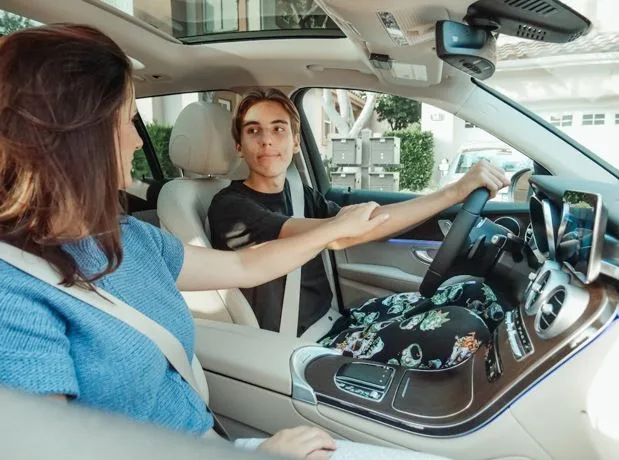
Have you ever gripped the passenger door like a life preserver while your teen made a wide left turn into traffic? You’re not alone. Across the U.S., especially in states like Texas where highways stretch for miles, teaching teens to drive safely has become both a rite of passage and a test of parental patience. As roads get busier and distractions grow, helping teens build strong driving habits early is more important than ever.
Start with a Calm Mind, Not White Knuckles
Let’s be honest—teaching a teen to drive can feel like volunteering for a stress test. But yelling “Brake!” while grabbing the dashboard doesn’t exactly create a Zen learning environment. Teens absorb more than just the rules of the road—they take in your reactions, tone, and overall mood. Staying calm, even when they miss a stop sign, reinforces that mistakes are part of learning, not a reason to panic. Confidence grows when teens feel supported, not scolded.
Modeling emotional control while navigating tough driving moments teaches more than any handbook ever could. If you wouldn’t want your teen to tailgate or lose their cool in traffic, show them how to stay focused and patient, even during rush hour. You’re not just instructing, you’re demonstrating what good road behavior looks like.
The Power of Personalized Learning
Some families in Texas are opting for an approach that puts them in the driver’s seat—figuratively and literally. With increasing flexibility in education, many parents are choosing the parent taught driver’s ed in Texas program. This method lets parents directly guide their teens through both classroom instruction and behind-the-wheel training, combining official curriculum with everyday wisdom.
What makes this model particularly effective is its pace and personalization. Teens can learn at a rate that suits their confidence and schedule, while parents can emphasize specific challenges relevant to their own area—like driving on rural roads, navigating Houston traffic, or merging onto Austin’s infamous I-35. Plus, it keeps parents and teens talking about real-life driving situations instead of just answering quiz questions. And yes, that means fewer eye rolls—at least when you’re not trying to explain parallel parking again.
Phones Down, Eyes Up
Distracted driving isn’t just a teen problem—it’s a national epidemic. But teens are especially vulnerable, having grown up in a world where every beep, buzz, or ping demands attention. The solution isn’t just to say “Don’t text and drive.” It’s about showing why focus matters, and backing that up with your own habits. If your teen sees you checking a message at a red light, they’ll likely think it’s fine to do the same.
Create a routine around driving that includes putting phones on “Do Not Disturb” and placing them in the glovebox or backseat. Some families even make a game out of it—first one to reach for their phone owes the other a milkshake. Humor helps, but consistency is key. When it comes to safety, teens listen more to what you do than what you say.
Practice Isn’t Just About Miles
It’s tempting to log driving hours by doing the same route over and over again—school, grocery store, repeat. But teens benefit more from varied experiences. Try different times of day, weather conditions, and road types. Introduce them to parking garages, one-way streets, and even construction zones when it’s safe to do so. Each new scenario adds a layer of readiness.
And don’t forget night driving. Many crashes happen after dark, especially among new drivers. Practicing under low-light conditions builds confidence and improves reaction times. It’s not just about checking boxes; it’s about preparing teens for the unpredictable world they’ll soon navigate alone.
Use Real Headlines as Teaching Moments
Every week, there’s a new story making headlines—a teen racing down a freeway, an accident involving a distracted driver, or tragic losses tied to speeding. While these stories are painful, they can be powerful tools for discussion. Instead of turning away from them, use them to spark honest conversations.
Ask your teen what they think went wrong, how it could’ve been prevented, or what they would’ve done differently. Framing it as a dialogue—not a lecture—helps them process the risks without tuning out. These conversations connect the dots between their behavior and real consequences, something abstract rules often fail to do.
The Big Conversation: Risk and Responsibility
No teen wants to hear about car insurance premiums, but understanding the weight of responsibility is crucial. Talk openly about what driving means—not just freedom, but also liability. Discuss curfews, passenger limits, and what happens in the event of a ticket or fender-bender.
Also, loop in broader issues like climate change or gas prices. If your teen is environmentally conscious, you can connect smart driving habits to reduced emissions. If they’re money-minded, frame it as saving on fuel or avoiding costly citations. The more relevant you make the conversation, the more engaged they’ll be.
Update Your Own Habits First
Let’s admit it—adults aren’t always model drivers. Maybe you speed a little when you’re late. Maybe your turn signal hasn’t seen daylight in weeks. Teens pick up on everything, even the stuff you think they don’t notice. If you want your teen to build safe habits, it starts with cleaning up your own.
Take a moment to audit your driving behavior. Do you come to complete stops? Do you check blind spots, or just hope for the best? When you model safe and thoughtful driving, you’re not just teaching—you’re shaping habits that could last a lifetime.
Parental influence is more powerful than any driving app, road sign, or traffic law. Building safer driving habits starts early and grows with every drive, every mistake, and every conversation. The highway is waiting—and it’s a lot less scary when you know your teen is driving it with care.