Marble and Tile Flooring: How to Mix Materials for a Luxurious Yet Practical Home
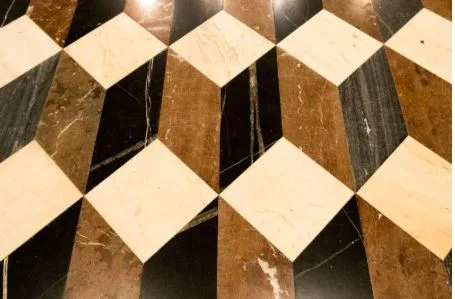
To make really great interiors, it is necessary to reconcile idealistic goals with actual reality. This is more pronounced in the process of flooring, which decides both the aesthetic value of a house as well as its practical use. Combining marble and tile material in a well-thought-out manner also enables homeowners to get the luxurious look in the place where it counts most without introducing more pragmatic and cost-effective alternatives in the places of high traffic or utilisation.
The art of successfully combining marble and tile flooring lies in creating a cohesive visual flow that appears intentional rather than budget-driven or haphazard. When executed thoughtfully, mixed-material flooring delivers the best of both worlds—opulent natural stone in showcase spaces and durable, low-maintenance tiles where practicality takes precedence.
1. Defining Zones: Where to Use Marble Versus Tile
Successful material mixing begins with strategic zoning that assigns appropriate materials based on each space’s function, traffic levels, and moisture exposure. Marble shines in low-traffic showcase areas like formal living rooms, dining rooms, and master bedroom suites, where its luxury justifies the maintenance requirements.
High-traffic zones, including entryways, family rooms, and corridors, benefit from durable porcelain or ceramic tiles that withstand constant use without showing wear. Wet areas like bathrooms and especially renovation kitchen Singapore projects demand moisture-resistant, stain-proof tiles rather than porous marble that requires constant sealing and careful maintenance.
2. Creating Visual Cohesion Through Colour and Pattern
The key to seamless material mixing lies in selecting marble and tile options that share complementary colour palettes, veining patterns, or tonal qualities, creating visual harmony rather than jarring contrasts. Warm-toned marble paired with cream or beige tiles maintains cohesion, whilst cool grey marble coordinates beautifully with slate-look porcelain.
Consider using tiles that mimic natural stone aesthetics in practical areas, whilst reserving genuine marble for statement spaces. Modern porcelain technology creates remarkably realistic stone-look tiles that coordinate perfectly with natural marble, allowing cohesive aesthetics throughout whilst managing budgets and maintenance strategically.
3. Transition Techniques That Enhance Rather Than Interrupt Flow
Thoughtful transitions between different flooring materials prevent visual disruption and create intentional design moments rather than awkward breaks. Natural thresholds like doorways, archways, or where rooms meet corridors provide logical transition points that feel architecturally purposeful.
Consider using decorative borders or inlays where materials meet—a contrasting tile border framing marble sections, or geometric patterns that bridge between materials, adds design interest whilst clearly delineating zones. Metal or stone threshold strips also create clean, professional transitions that prevent tripping hazards whilst accentuating the intentional material change.
4. Balancing Luxury Natural Stone With Practical Alternatives
Working with experienced Singapore marble supplier professionals provides access to both premium natural stones and high-quality engineered alternatives that complement each other beautifully. Options like marble and travertine deliver authentic luxury for showcase areas, whilst advanced porcelain or sintered stone options provide similar aesthetics with superior durability elsewhere.
This strategic approach allows homeowners to maximise their flooring budget by investing in genuine marble where visual impact matters most—entrance halls, formal living areas, master bathrooms—whilst using cost-effective alternatives in bedrooms, service areas, and spaces where flooring remains largely covered by furniture.
5. Maintenance Considerations for Mixed-Material Flooring
Different flooring materials require distinct maintenance approaches—marble demands regular sealing, pH-neutral cleaners, and immediate attention to spills, whilst quality tiles prove far more forgiving with standard cleaning products and minimal special care. Mixed-material flooring requires understanding and implementing appropriate care for each surface type.
Create practical maintenance routines that acknowledge these differences without becoming burdensome. Many homeowners find that limiting marble to specific zones makes the additional care manageable, as they can focus detailed attention on smaller luxury areas whilst maintaining broader tile surfaces with standard household cleaning methods.
Final Thoughts
Mixing marble and tile flooring strategically creates homes that balance luxury aesthetics with practical livability—a combination that pure marble installations rarely achieve, given maintenance demands and budget constraints. The thoughtful integration of materials allows homeowners to enjoy natural stone’s incomparable beauty, where it makes the greatest visual impact whilst embracing modern tile technology’s superior performance characteristics in functional spaces.
Stoneworks specialises in helping Singapore homeowners navigate material selection and integration for flooring that achieves both aesthetic and practical goals. Their extensive range includes premium natural stones and complementary tile options, along with expert guidance on strategic placement, visual coordination, and proper installation techniques. Contact them today to explore how strategic material mixing can create the luxurious yet practical home you’ve envisioned.