The Ultimate Guide to Types of Laser Cutters: Which One Is Right for You
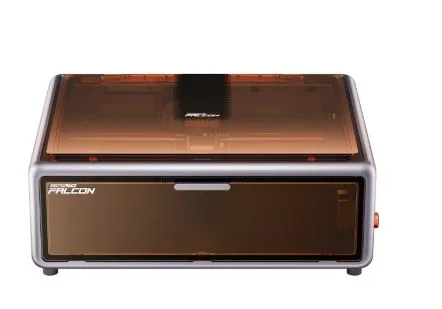
Laser cutters are widely used in manufacturing, crafting, and prototyping for their ability to cut, engrave, and mark materials with high precision.
However, not all laser cutters are the same.
Different laser technologies are designed for different materials, use cases, and budgets.
This guide focuses on the three most widely used laser cutter types today—CO₂, Fiber, and Diode—and explains how they work, what they are best suited for, and how to choose the right one for your needs.
What Is a Laser Cutter?
A laser cutter is a computer-controlled machine that uses a focused, high-energy laser beam to process materials through cutting, engraving, or marking.
Core Components
- Laser source – generates the laser beam
- Optics – mirrors and lenses that guide and focus the beam
- Motion system – moves the laser head or mirrors along X/Y axes
- Control system – interprets digital design files and controls motion and power
The result is precise, repeatable processing with minimal material waste.
Main Types of Laser Cutters (by Laser Source)
CO₂ Laser Cutters
CO₂ lasers are the most common choice for non-metal materials and creative applications.
How They Work
- Use an electrically excited gas mixture (primarily carbon dioxide)
- Emit an infrared laser beam at ~10.6 μm
Suitable Materials
- Wood and plywood
- Acrylic (including clear acrylic)
- Leather
- Fabric and textiles
- Paper and cardboard
- Rubber and selected plastics
- Glass and stone (engraving only)
Advantages
- Excellent compatibility with non-metals
- Smooth cutting edges and high engraving quality
- Mature, well-supported technology
- Good value for large working areas
Limitations
- Cannot cut bare metals
- Requires routine optical maintenance
- Larger physical footprint
Common Uses
- Signage and displays
- Crafts and personalized products
- Architectural models
- Fashion and textile cutting
Fiber Laser Cutters
Fiber lasers are the standard solution for metal cutting and industrial marking.
How They Work
- Solid-state laser generated through doped optical fiber
- Short wavelength (~1.06 μm) with high metal absorption
Suitable Materials
- Stainless steel
- Carbon steel
- Aluminum
- Brass and copper
- Titanium and metal alloys
Advantages
- Extremely fast and precise metal processing
- Low maintenance and long service life
- High electrical efficiency
- Excellent for thin and reflective metals
Limitations
- High initial investment
- Poor performance on wood, acrylic, and fabrics
- Strict safety requirements
Common Uses
- Metal fabrication
- Industrial marking and serialization
- Jewelry and precision components
- Automotive and medical parts
Diode Laser Cutters
Diode lasers are compact, affordable machines commonly used by hobbyists and small workshops.
How They Work
- Use semiconductor laser diodes
- Operate in the blue light spectrum (≈450 nm)
Suitable Materials
- Wood
- Paper and cardboard
- Leather
- Fabric
- Dark or coated acrylic
- Coated or anodized metals (marking only)
Advantages
- Low entry cost
- Compact and portable
- Easy to learn and operate
- Low power consumption
Limitations
- Limited cutting depth and speed
- Cannot cut clear acrylic or metals
- Smaller working areas
- Not suitable for production-scale work
Common Uses
- DIY and maker projects
- Educational environments
- Light engraving and personalization
Other Ways to Classify Laser Cutters
By Machine Structure
- Gantry (flatbed) systems – common for CO₂ and diode lasers
- Galvo systems – used mainly with fiber lasers for fast marking
- Desktop machines – compact units for home or small studios
- Industrial systems – large-format machines for mass production
By Primary Function
- Engraving-focused – optimized for surface detail
- Cutting-focused – higher power for material thickness
- Multi-purpose – capable of both cutting and engraving
CO₂ vs. Fiber vs. Diode: Quick Comparison
| Feature | CO₂ Laser | Fiber Laser | Diode Laser |
| Primary Materials | Non-metals | Metals | Soft non-metals |
| Typical Power | 30W–300W+ | 20W–20kW+ | 5W–30W |
| Cutting Speed | Medium | Very high | Low |
| Engraving Quality | Excellent | Excellent (metals) | Good (light work) |
| Initial Cost | Medium | High | Low |
| Maintenance | Moderate | Low | Very low |
| Best For | Acrylic, wood, leather | Metal processing | Hobby & desktop use |
How to Choose the Right Laser Cutter
1. Materials
- Wood / acrylic / leather → CO₂ or diode
- Metals → Fiber
2. Project Scale
- Hobby or personal projects → Diode
- Small business and creative work → CO₂
- Industrial production → Fiber
3. Budget
- Consider both machine cost and long-term operating expenses
4. Workspace & Safety
- Ventilation and fume extraction
- Electrical requirements
- Laser safety compliance
5. Support & Maintenance
- Brand reputation
- Spare parts availability
- Software ecosystem
Conclusion
There is no single “best” laser cutter—only the best choice for your materials, projects, and goals.
- CO₂ lasers excel at non-metal materials and creative work
- Fiber lasers dominate metal cutting and industrial applications
- Diode lasers offer an accessible entry point for beginners
By clearly defining what you plan to cut, how often you’ll use the machine, and how far you intend to scale, you can choose a laser cutter that fits both your current needs and your future plans.