Smart Ways to Preserve Mechanical Timepieces at Home
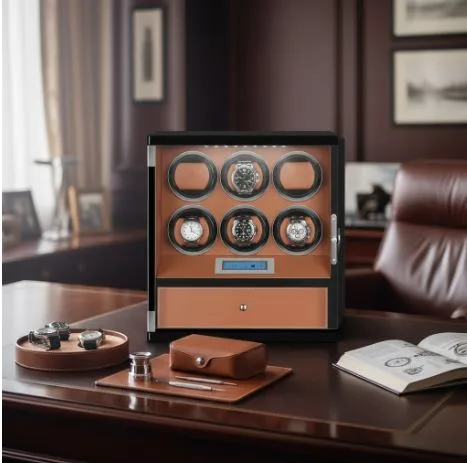
Mechanical watches are more than tools for telling time. They represent craftsmanship, tradition, and personal style. Unlike quartz models, these watches rely on intricate internal movements that need consistent care to perform accurately over time. Many collectors don’t realise that simple storage habits can significantly affect longevity and precision.
This guide explains practical, reader-friendly methods to protect mechanical watches, along with expert-backed tips often used by seasoned collectors.
Top 6 Storage Principles Every Watch Owner Should Follow
1. Maintain Consistent Movement for Mechanical Accuracy
Mechanical movements are designed to run regularly. When left idle for long periods, internal lubricants may settle unevenly. Many collectors use an automatic watch winder to keep watches gently moving when not worn daily. This helps maintain time accuracy without manual resetting.
2. Protect From Magnetic Exposure
Everyday objects such as smartphones, speakers, and laptops emit magnetic fields. Prolonged exposure can disrupt mechanical accuracy. Storing watches away from electronics—or inside properly shielded storage—reduces long-term risk.
3. Control Temperature and Humidity
Extreme temperatures can damage seals and internal oils. Excess humidity may cause condensation, leading to corrosion. Store watches in a dry, climate-stable environment rather than drawers near windows or bathrooms.
4. Avoid Overcrowded Storage
Stacking watches together may lead to scratches, crown damage, or pressure on straps. Individual compartments or padded holders offer better protection and organisation.
5. Use Rotation Instead of Constant Wear
Wearing the same piece daily accelerates wear. Rotating watches evenly helps distribute usage and extends service intervals. This is especially useful for collectors with multiple mechanical models.
6. Choose Storage Based on Lifestyle
Collectors who travel often may prefer compact, protective cases, while home collectors often opt for display-friendly solutions. Many experienced owners research the best automatic watch winder options based on how often they rotate watches.
Top 9 Practical Tips to Extend Watch Lifespan
1. Wind Only When Necessary
Manual winding should be gentle and limited. Overwinding can strain components, especially on older models.
2. Clean the Case Regularly
Dust, sweat, and oils accumulate over time. A soft microfiber cloth is enough for routine cleaning.
3. Keep Straps Dry
Leather straps absorb moisture easily. Allow them to air-dry naturally and avoid storing them damp.
4. Lay Flat When Not Stored in Motion
If not using a winder, store watches dial-up or crown-up to minimise movement stress.
5. Service at Recommended Intervals
Most manufacturers suggest servicing every 4–5 years. This ensures lubricants are refreshed and parts are inspected.
6. Avoid Shaking to Start
Shaking a stopped watch aggressively may damage the rotor. Gentle movement or manual winding is safer.
7. Don’t Store Near Loudspeakers
Speakers contain strong magnets that can affect accuracy even without direct contact.
8. Use Winders Selectively
A well-adjusted automatic watch winder can be beneficial for complex watches with date or moon-phase complications. However, constant rotation isn’t necessary for every watch.
9. Read the Movement Specifications
Not all watches respond the same way to motion. Understanding power reserve and rotation direction helps avoid unnecessary wear when selecting storage methods.
Why Thoughtful Storage Matters for Long-Term Value
Proper storage doesn’t just preserve accuracy—it protects investment value. Mechanical watches maintained under optimal conditions often require fewer repairs and retain better resale potential. While some collectors rely on traditional cases, others prefer motion-based storage depending on collection size and usage frequency.
Choosing the best automatic watch winder is less about luxury and more about matching rotation settings to the movement’s needs.
Frequently Asked Questions
Q1: Is it safe to keep a mechanical watch unused for months?
Yes, but occasional movement is recommended to prevent lubricant settling.
Q2: Can storage affect time accuracy?
Yes. Environmental conditions and magnet exposure can impact precision.
Q3: Do all watches need a winder?
No. Watches worn regularly don’t require one. Winders are useful for rotation or complex models.
Q4: How many hours should a watch rotate daily?
It depends on the movement. Most require moderate rotation, not continuous motion.
Q5: Can incorrect rotation damage a watch?
Excessive or incorrect settings may cause unnecessary wear over time.