How to Sell Your House Fast When It Needs Repairs
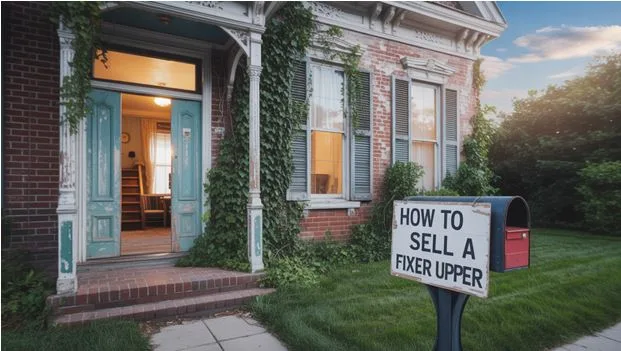
Facing the prospect of selling a home that needs repairs can feel overwhelming. You’re not alone in this situation. Thousands of homeowners across the United States deal with properties that need work every single year.
The good news? You don’t need to panic or feel stuck. With the right approach and expert guidance, you can successfully navigate how to sell a house that needs repairs and walk away with a profitable outcome.
How to Sell a House That Needs Repairs
This comprehensive guide will walk you through every step of selling distressed property. You’ll discover practical strategies for assessing your home’s condition and deciding whether repairs make financial sense. We’ll explore your selling options, from traditional buyers to trusted cash investors like Danny Buys Houses San Antonio.
You’ll also learn pricing strategies, legal requirements, and marketing techniques specifically designed for the United States real estate market. By the end of this home selling guide, you’ll have the knowledge and confidence to make informed decisions that maximize your financial outcome while minimizing stress.
Key Takeaways
- Selling a property that needs work is completely achievable with proper planning and expert strategies
- You have multiple selling options including traditional buyers, investors, and cash purchase companies
- Understanding your home’s true condition helps you make smart decisions about repairs versus selling as-is
- Proper pricing and targeted marketing attract the right buyers for properties needing renovation
- Legal compliance and disclosure requirements protect you throughout the selling process
- This guide provides United States – specific advice to help you navigate the real estate market successfully
1. Understanding What Makes Your Home a Fixer-Upper
It helps to set realistic goals and pick the best way to sell. Not all distressed homes are the same. Some need just a fresh coat of paint, while others require major repairs costing thousands.
What Defines a Fixer-Upper Property
A fixer-upper property definition means a home needing big repairs or updates. These homes fall into three main groups based on the work needed.
Light fixer-uppers need cosmetic work like new paint or flooring. Moderate fixer-uppers need functional repairs, like new appliances. Heavy fixer-uppers need major renovations, including structural changes.
Typical Problems That Need Attention
Many home repair issues make a home a fixer-upper. Selling as-is means you won’t fix these problems. But, buyers will consider them when making offers.
- Broken appliances and outdated kitchen or bathroom fixtures
- Plumbing leaks, electrical problems, or HVAC system failures
- Roof damage, foundation cracks, or structural property defects
- Mold, water damage, or pest infestations throughout the home
- Cosmetic issues like damaged flooring, peeling paint, or cracked walls
Being upfront about your home’s condition is the first step to a successful sale. Being honest builds trust with buyers and makes negotiations easier.
2. Assessing the True Condition of Your Property
Knowing what repairs your home needs is key to selling it well. A detailed check-up helps you see what buyers will find. It lets you control the story of your home before it hits the market.
This step decides if you should fix things up or sell as-is. It also helps avoid lowball offers and unexpected demands during talks.
Hiring a Professional Inspector
Spending $300 to $600 on a pre-sale home inspection is worth it. A licensed inspector gives you a detailed report. This report shows everything from big structural issues to small cosmetic ones.
Inspectors look at electrical systems, plumbing, roofs, foundations, and HVAC. They use special tools and know-how. Knowing this before buyers do gives you negotiating power and avoids surprises that could stop your sale.
Separating Significant Problems from Simple Fixes
Not all repairs are the same. Knowing the difference between big and small fixes helps you plan and budget better.
Major repairs are about safety, structure, or key systems. These include:
- Foundation issues and structural damage
- Complete roof replacement
- Electrical rewiring throughout the house
- Plumbing system overhauls
- HVAC system replacement
These big projects cost thousands and need licensed pros. They really affect your home’s value and appeal.
Minor repairs are about looks or small fixes. They include:
- Interior and exterior painting
- Replacing fixtures (faucets, light switches)
- Improving curb appeal
- Updating cabinet hardware
- Fixing small drywall issues
These small fixes cost less, hundreds, not thousands. They make your home look better but don’t fix big problems.
Obtaining Accurate Cost Information
Getting quotes from licensed contractors is crucial for planning. You need quotes for major repairs found in your assessment. This tells buyers what they’ll face if they buy your home.
Quotes help you decide if repairs before selling are worth it. They also help when talking to buyers and justify your asking price.
Remember, not all renovations pay off. Consider the cost, time, and effort of repairs. Sometimes, fixing everything costs more than you’ll gain in sale price.
With detailed estimates and a full understanding of your home’s state, you can make smart selling choices.
3. Deciding Between Selling As-Is or Making Repairs
The repair vs sell decision is a big financial choice in selling a fixer-upper. It affects your money, time, and stress. You need to know the numbers, the market, and your own situation well.
Choosing to sell as-is means you won’t fix problems like broken appliances or mold. This makes the selling process faster and reduces risks.
Finding Your Financial Tipping Point
Finding your renovation break-even point is more than just comparing repair costs to sale price increases. You must consider all costs, including time and stress.
Here’s how to decide if repairs are worth it: Add repair costs, carrying costs, and time value. Then, compare this total to the sale price increase you can get.
Remember, every month of renovation means more mortgage, taxes, and maintenance. If your market is hot, missing out on buyers can cost a lot.
Scenarios Where Investing in Fixes Pays Off
Repairs can be a good investment in certain situations. If your market is slow, making your home stand out with improvements can help.
Small fixes like painting, landscaping, and cleaning can make a big difference. They don’t cost much but can attract buyers.
Structural issues are another case. Fixing these can attract more buyers, making the investment worth it.
Smart Reasons to Skip the Renovations
Sometimes, the best choice is to sell as-is without repairs. If your market is hot, renovations rarely add enough value to justify the effort.
If repair costs are more than the value increase, you’re wasting money. This is common, especially with big renovations that some buyers won’t want.
Financial needs, job changes, or inheritance can also make selling as-is the best option. If you can’t afford repairs or face major damage, selling quickly is better than renovating.
In strong markets, selling as-is is often the smarter financial choice. It saves money, time, and stress while still getting a good price. Market conditions are more important than perfect condition.
4. How to Sell a House That Needs Repairs: Your Strategic Options
Selling a fixer-upper isn’t a one-size-fits-all task. You have several selling options based on your goals and comfort level. Each option has its own benefits to consider.
Listing With an Agent on the Traditional Market
A traditional home sale with a REALTOR® is a top choice for fixer-uppers. An agent who specializes in distressed properties can help attract the right buyers.
They know how to market to builders, contractors, and investors. Your home will reach a wide buyer pool through the Multiple Listing Service, possibly getting the best price.
When looking for an agent, ask about their experience with fixer-uppers. This shows their knowledge in handling similar properties.
Connecting With Cash Buyer Companies
Cash buyers offer a quick solution for those who need to sell fast. They buy homes in as-is condition, usually for 70-85% of the after-repair value. A local, reputable buyer like Danny Buys Houses will make the offer with no charge or fee. Never pay a fee for a cash offer!
The benefits include fast closings, often in 7-14 days. You won’t have to fix up the property or stage it. Cash buyers also avoid financing issues that can delay traditional sales.
Partnering With Real Estate Investors
Real estate investors and house flippers look for fixer-uppers. They know repair costs well and make offers based on the market.
Investors offer flexible terms and close quickly with fewer hurdles. They understand construction issues, making negotiations easier.
Selling on Your Own Through FSBO
For Sale By Owner is another option for sellers. This FSBO method saves on commission costs and gives you full control.
But, selling a distressed property yourself takes a lot of time. You’ll need to know about marketing, negotiation, and legal requirements to succeed.
5. Pricing Your Fixer-Upper Competitively
Setting a good price for a fixer-upper is different from a ready-to-move-in home. Your fixer-upper pricing strategy must consider the property’s current state. It should also be appealing to buyers who know about renovation costs. The right price creates urgency and protects your financial interests.
Prices are influenced by more than just repair costs. The condition of nearby homes, neighborhood values, and market changes also play a role. A well-priced home attracts serious offers quickly.
Researching Comparable Properties in Your Area
Start with a comparable property analysis for competitive pricing. Look at fixer-uppers or distressed homes in your area, not perfect ones. Focus on similar square footage, age, location, and condition issues.
See how long these homes were on the market. Compare their sale prices to their asking prices to understand buyer expectations. Working with an experienced agent helps you access MLS data for these insights.
Notice homes that sold fast versus those that didn’t. Homes priced right usually sell in 30-60 days. Overpriced fixer-uppers may sit for months and sell for less.
Accounting for Repair Costs in Your Asking Price
Understanding buyer calculations helps set realistic prices. Investors use a formula: after-repair value minus repair costs and their profit margin. This gives them their maximum offer.
For accurate home valuation, get professional repair estimates. These numbers show the gap between your property’s current state and its renovated value. Repair costs affect what buyers can afford.
Remodeling perception varies. Nearby home values and market trends influence expected returns. These factors affect how buyers view potential improvements.
Building in Negotiation Room
Price slightly above your minimum acceptable price for negotiation room. This approach meets buyer expectations for some back-and-forth. Most buyers negotiate, especially on fixer-uppers.
Avoid overpricing as a negotiation tactic. Overpriced homes develop stigma, making buyers think something’s wrong. Be clear on your lowest price before listing to streamline negotiations.
Strategic competitive pricing aims to attract buyers quickly, allow negotiation, and maximize your sale price. Price based on sales data, not emotional attachment or unrealistic profits.
6. Understanding Legal Disclosure Requirements
Understanding seller disclosure laws can be tough. But knowing what to reveal keeps you safe. You must tell the truth about any known problems with your home. This honesty protects you from lawsuits and builds trust with buyers.
Federal Laws Every Seller Must Know
For homes built before 1978, there’s a key federal rule. You must give a Lead-Based Paint Disclosure to anyone interested in buying. This law asks you to share any lead paint hazards and give buyers a pamphlet about lead risks.
Buyers then have 10 days to check for lead if they want. This rule is a federal standard, important everywhere.
Your State’s Unique Requirements
Disclosure laws change a lot depending on where you are. Some states need detailed written forms for every known issue. Others rely more on buyers to check things out.
Most states want you to talk about material defects. These are issues that could affect the home’s value or safety. Your real estate agent or lawyer can tell you what your state requires. Don’t think what works in another state will work for you.
What You Cannot Hide
Even if you’re selling as-is, you still have to tell about any problems. This includes structural issues, water damage, mold, pests, and roof problems. You also need to talk about foundation cracks, electrical and plumbing issues.
Environmental dangers like radon or asbestos must be shared too. Some states even ask you to disclose if there have been fires or deaths on the property. Remember: “as-is” means no repairs, not no disclosure.
Telling the truth upfront can save deals from falling apart during inspections. Being open and honest reduces your risk and can make buyers trust you more.
7. Marketing Your Fixer-Upper to the Right Buyers
To sell your fixer-upper fast, find buyers who love renovation projects. You need a marketing plan that speaks to those who see the potential. Knowing your ideal buyer helps you create messages that attract serious buyers.
Different buyers like different things. Marketing distressed properties works best when you highlight what matters most to each group.
Targeting Real Estate Investors and House Flippers
Investors and house flippers look for properties with strong profit potential. They want clear renovation plans. Sellers should share repair estimates and after-repair value calculations upfront.
List your property on sites for investors and distressed homes. Attend local real estate investment meetings to meet buyers.
Professional investors value transparency. Share known issues, contractor estimates, and the property’s good features like location and structure.
Appealing to DIY Homebuyers
DIY homebuyers want affordability and to build their dream home. They love the home’s location or unique character.
Highlight the property’s potential and good features. Talk about the layout, architectural details, yard, or neighborhood.
Use creative language. Say “opportunity to customize” or “bring your vision to life”. This appeals to buyers who want to create their dream home.
Creating Honest and Compelling Listing Descriptions
Your listing should be honest but appealing. Disclose known issues but highlight the home’s strengths and value.
Use phrases like investor special or “handyman’s dream” to signal as-is condition.
Highlight location, land value, and unique features. Be honest about repairs but focus on the property’s worth.
Photography Tips for Distressed Properties
Good photos are key, even for homes needing repairs. Before photos, do a deep professional cleaning to improve the look.
Follow these photography tips:
- Use natural lighting to brighten spaces
- Focus on the property’s best features
- Take exterior shots to show curb appeal
- Declutter spaces to show potential
- Stage key rooms if budget allows
Some sellers use “before and after” renderings to show the potential. This can spark interest from buyers who need to see the vision.
Conclusion
Selling a fixer-upper starts with the knowledge you’ve gained. You now know the key steps to sell your property. This journey might take more time than selling a ready home, but many succeed each year.
Your sale strategy depends on your situation. You might choose to work with an agent, find cash buyers, or market directly. Being honest about your home’s condition is crucial. Buyers looking for renovation projects value honesty and fair pricing.
Good selling tips focus on preparation and realistic goals. You’ve learned to assess your property and find the right buyers. These buyers are out there, looking for their next project.
The last piece of advice is to be confident. You have the tools to handle disclosures, price right, and market well. With the strategies from this guide, you can reach your real estate goals. The right buyer is waiting to make your fixer-upper their dream home.