Choosing the Best Window Tint for Style and Comfort
When drivers ask, “what is the best window tint?”, they are often seeking more than just darkness or privacy. The ideal automotive window film balances solar control, visual clarity, aesthetic harmony, and long-term durability—all while complying with local regulations. Unlike generic solutions that prioritize one attribute at the expense of others, premium window tints engineered for modern vehicles deliver comprehensive benefits: reduced cabin heat, protection against harmful ultraviolet (UV) radiation, minimized glare, enhanced privacy, and a refined exterior appearance. This article explores the key criteria that define superior window tint performance, how regional conditions influence selection, and why matching film properties to your specific vehicle type matters. Throughout, we reference real-world engineering standards and product innovations—such as those found in the AX Best Window Tint—to help you make an informed, lasting choice.
What Makes a Tint “the Best”?
The phrase “best window tint”is subjective unless grounded in measurable performance metrics. A truly high-performing automotive window film must excel across four core dimensions: solar energy rejection, UV blocking efficiency, visible light transmission (VLT), and optical clarity. Films that rely solely on dye-based technology may appear dark initially but often fade, bubble, or offer minimal heat reduction over time. In contrast, advanced films use non-conductive, non-metallic layers—such as ceramic nanoparticles or magnetron-sputtered metals—to selectively block infrared (IR) and UV rays without interfering with radio, GPS, or cellular signals.
The best window tints also maintain color stability. Inferior products can turn purple or blue after prolonged sun exposure due to dye degradation. Premium options, like those in the AX Stylish Tint Series, utilize stable pigment systems and protective topcoats to ensure consistent tone for years. Additionally, “best”implies safety: high-quality films hold shattered glass together in the event of impact, reducing injury risk—a feature mandated in many automotive safety standards worldwide.
AX’s Leading Tint Performance Metrics
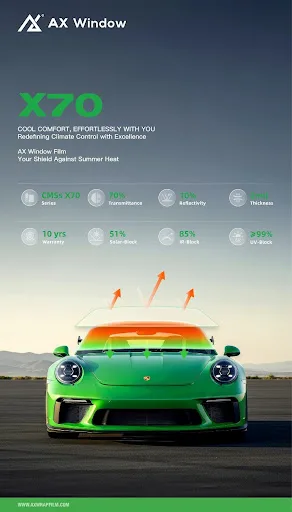
Not all window films are created equal, and performance claims should be verified through independent test data. AX Film’s approach to window tint development emphasizes quantifiable results. For example, the AX WINDOW X70 Ceramic Magnetron Sputtering Series (CMSS) achieves up to 99% UV rejection and blocks over 55% of total solar energy—figures validated by third-party laboratories using ASTM and ISO testing protocols. Crucially, it does so while maintaining a VLT of 70%, making it suitable for windshields in regions with strict visibility laws.
The CMSS technology combines ceramic particles with precision-sputtered metal layers to create a multi-spectrum barrier. Unlike dyed or metallic-only films, this hybrid structure rejects heat without creating mirror-like reflectivity or signal interference. The result is a neutral, OEM-matching appearance that enhances vehicle aesthetics without drawing unwanted attention. These performance characteristics position AX’s offering among the most balanced solutions for drivers who demand both comfort and compliance.
Color Tone, Reflectivity & Heat Reduction
Aesthetic integration is as important as technical performance. The best window tint should complement your vehicle’s paint color and trim without appearing overly reflective or unnaturally dark. Neutral grays and charcoals are preferred for their subtlety and compatibility with factory glass, whereas high-reflectivity films can look aggressive and may violate legal limits in many jurisdictions.
Heat reduction is directly tied to the film’s ability to reject infrared radiation—the primary source of solar heat gain inside a vehicle. While visible darkness (low VLT) might suggest better cooling, it’s actually the IR rejection rate that determines thermal performance. A high-VLT film with strong IR-blocking capability—like the AX WINDOW X70—can keep interiors significantly cooler than a darker dyed film with poor spectral selectivity. This allows drivers to enjoy daylight visibility and natural illumination while still achieving meaningful temperature control.
Moreover, low internal reflectivity reduces eye strain and improves night driving safety by minimizing ghost images from headlights or dashboard lights. Premium ceramic and sputtered films excel here, offering high outward clarity with minimal mirror effect from the inside.
Regional Needs: UV & Sun Glare
Geographic location plays a critical role in window tint selection. In areas with intense, year-round sunlight, UV exposure accelerates interior fading—damaging dashboards, seats, and trim. Prolonged UV exposure also poses health risks, including skin damage and increased cataract risk. A window film that blocks 99% of UVA and UVB rays provides essential protection for both occupants and vehicle interiors.
Sun glare is another region-specific concern. Near coastal zones, high-altitude regions, or open highways with reflective surfaces, glare can impair vision and increase driver fatigue. High-performance tints reduce glare by filtering scattered visible light while preserving true color perception—unlike cheap tints that distort hues or create visual haze. Even in temperate climates, seasonal variations in sun angle mean that effective glare control remains valuable throughout the year.
For drivers in diverse environments, a versatile film like the AX Best Window Tint offers consistent performance regardless of latitude or season, thanks to its spectrally selective design.
Matching Tint to Vehicle Type
The ideal window tint also depends on your vehicle’s design, usage, and window geometry. Luxury sedans and electric vehicles often feature large glass surfaces and panoramic roofs, increasing solar load and necessitating high-performance films that maintain cabin comfort without compromising the vehicle’s sleek lines. SUVs and trucks, frequently used for family transport or outdoor activities, benefit from tints that enhance rear passenger privacy while ensuring clear rear visibility for safe reversing and lane changes.
Sports cars and performance vehicles demand films with exceptional optical clarity to avoid distorting the driver’s view during high-speed maneuvers. Meanwhile, commercial fleets prioritize durability, uniform appearance, and ease of maintenance—factors addressed by AX’s professional-grade window film collections.
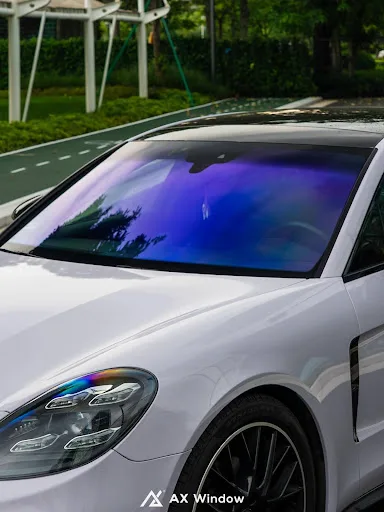
It’s also important to consider existing factory glass. Many modern vehicles come with “privacy glass”on rear windows, which is already tinted during manufacturing. Adding an aftermarket film on top can push VLT below legal limits. Professional installers can measure baseline VLT and recommend compliant combinations. For full customization without regulatory constraints, front side windows and windshields (where permitted) offer the greatest opportunity to optimize comfort and style using advanced films from the AX Stylish Tint Series.
In conclusion, answering “what is the best window tint?”requires moving beyond darkness or brand name. It demands a holistic evaluation of solar control, visual comfort, aesthetic integration, legal compliance, and long-term reliability. By prioritizing scientifically engineered solutions over superficial attributes, drivers can transform their daily commute into a cooler, safer, and more enjoyable experience—one window at a time.