Hidden Benefits of Your HSA or FSA: Covering Assistive Devices for Daily Function
Health Savings Accounts (HSAs) and Flexible Spending Accounts (FSAs) are often used to cover routine medical expenses, such as copays, prescriptions, and annual checkups. However, for millions of Americans with chronic conditions, these accounts can provide much more value than people think.
More than 100 million Americans currently use HSAs or FSAs, representing over $100 billion in tax-advantaged healthcare spending each year. As healthcare costs keep rising, consumers are increasingly seeking HSA- and FSA-eligible expenses for essential, medically necessary products, especially those that enhance daily function and independence.
One of the most overlooked categories of eligible expenses is assistive medical devices.
Understanding the Basics: HSA vs. FSA
While HSAs and FSAs serve similar purposes, they operate differently, and those differences matter when planning healthcare spending. A Health Savings Account (HSA) is available to individuals enrolled in a qualifying high-deductible health plan. The account is individually owned, portable, and funds roll over year after year. HSAs are often used as long-term healthcare savings options because unused funds are never lost.
A Flexible Spending Account (FSA) is employer-sponsored and funded with pre-tax payroll deductions. FSAs typically follow a “use it or lose it” structure. This means employees must spend funds within the plan year, with limited grace periods or rollover options.
Despite these differences, both accounts follow the same rule: expenses must qualify under IRS Section 213(d), which defines what counts as a medical expense.
What Qualifies Under IRS Section 213(d)?
To qualify, an expense must mainly serve a medical purpose, such as diagnosing, treating, reducing, or managing a disease or condition. This distinction is important for assistive devices. Products intended only for general wellness or convenience usually do not qualify. However, devices designed to help with daily function and manage symptoms of a diagnosed medical condition often qualify, especially when supported by appropriate clinical documentation.
Where Assistive Devices Fit In
Assistive medical devices can play an important role in helping individuals maintain independence, dignity, and quality of life. For people with conditions that impact motor control, stability, or coordination, these tools are essential, not optional.
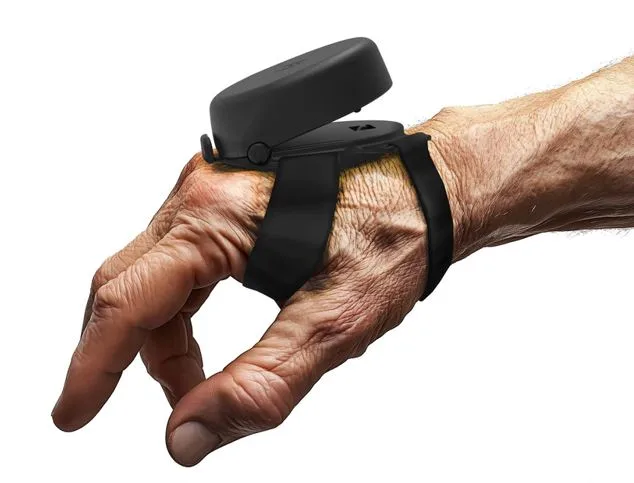
The Steadi-3 anti-tremor glove is one example. It is an FDA-registered Class I medical device designed to reduce hand tremors linked to Essential Tremor and Parkinson’s disease. By mechanically stabilizing the hand, this device supports daily activities like eating, writing, and using everyday objects.
Because the Steadi-3 is used to reduce symptoms and support daily function, it may qualify as a reimbursable medical expense when accompanied by a Letter of Medical Necessity (LMN) for FSA or HSA submission.
The Role of a Letter of Medical Necessity
A Letter of Medical Necessity is often the key to getting reimbursement for assistive devices. A licensed healthcare provider completes the letter, explaining why a specific product is medically necessary for a patient’s condition.
While requirements differ by administrator, an LMN typically includes:
- The patient’s diagnosed condition
- How the device helps or reduces symptoms
- Why is the device necessary for daily function
For FSAs, an LMN is usually required. For HSAs, it may be requested during claim review or for recordkeeping. Having one ready strengthens the reimbursement request and lowers the chances of delays or denials.
The Reimbursement Pathway Explained
Reimbursement generally follows a clear process:
- Obtain a Letter of Medical Necessity. A healthcare provider completes and signs the LMN.
- Purchase the Assistive Device. The device is usually bought up front. Patients should keep the invoice or receipt.
- Submit Documentation for Review. The LMN and receipt are sent to the HSA or FSA administrator, who reviews the claim in accordance with IRS guidelines.
While approval is not guaranteed, clear documentation greatly improves the chances of reimbursement.
Reducing Friction Through Digital Enablement
As more healthcare transactions move online, digital tools are becoming increasingly important in simplifying reimbursement. Clear guidance and easy-to-access documentation help patients understand how to use their benefits effectively.
Helpful digital strategies include:
– Downloadable LMN templates available after purchase
– Receipts formatted for HSA/FSA submission
– FAQ sections explaining eligibility and reimbursement steps
– Check out indicators allowing customers to note intended HSA/FSA use
These tools help patients make informed choices and lower confusion during the claims process.
Trusted Marketplaces and Discoverability
Specialized platforms like FSAstore.com and HSAstore.com have emerged to help consumers find products that qualify for pre-tax healthcare spending. These marketplaces focus solely on eligible items, boosting consumer confidence and transparency.
Being listed on these platforms improves the visibility of assistive devices and assures shoppers that products meet eligibility requirements. This is crucial for patients managing tight healthcare budgets.
Why These Hidden Benefits Matter
For individuals with tremors or other functional limitations, assistive devices can significantly affect daily life. Yet many patients end up paying out of pocket simply because they do not know they can be reimbursed.
HSAs and FSAs are powerful resources that are often underused. By learning IRS guidelines, gathering the right documentation, and using available digital tools, patients can make their healthcare dollars go further and access the medical support they need.
Unlocking HSA and FSA Value With the Steadi-3 Tremor Glove
Seeing how these “hidden benefits” work can help patients understand the potential of their HSA or FSA funds. Our Steadi-3 tremor glove clearly shows how an assistive medical device can meet reimbursement requirements when daily function is the main goal.
It is an FDA-registered Class I medical device designed to help reduce hand tremor associated with Essential Tremor and Parkinson’s disease. Instead of focusing on general wellness, the glove is meant to assist with functional activities that tremors often disrupt, such as eating, writing, using utensils, or handling everyday items. This focus on managing symptoms and supporting function is an important factor under IRS Section 213(d).
For patients looking for reimbursement, the process usually starts with proving medical necessity. A licensed healthcare provider can write a Letter of Medical Necessity explaining how tremors affect daily life and why a tremor-stabilizing device is needed to manage those challenges. When combined with a valid purchase receipt, this documentation helps an HSA or FSA administrator review the expense as eligible medical spending.
Support resources such as reimbursement-ready receipts, clear FAQs, and LMN templates can also help ease confusion for patients navigating the process. These tools make what might seem like an administrative hurdle into a clear, manageable process.
As more patients learn they can use HSAs and FSAs for assistive devices, our glove, the true value of these accounts becomes clearer. Instead of being used only for routine care, pre-tax health funds can significantly support independence and daily function.
Final Thoughts
The real value of HSAs and FSAs goes well beyond routine expenses. When used wisely, these accounts can help cover the cost of assistive devices that promote daily function and independence.
For patients considering reimbursement for devices, the steps are straightforward: consult a healthcare provider, obtain a Letter of Medical Necessity, retain purchase documentation, and submit everything for review. Unlocking these hidden benefits can make essential care easier to access without extra financial strain.