The Top Signs Your Septic Tank Needs Pumping
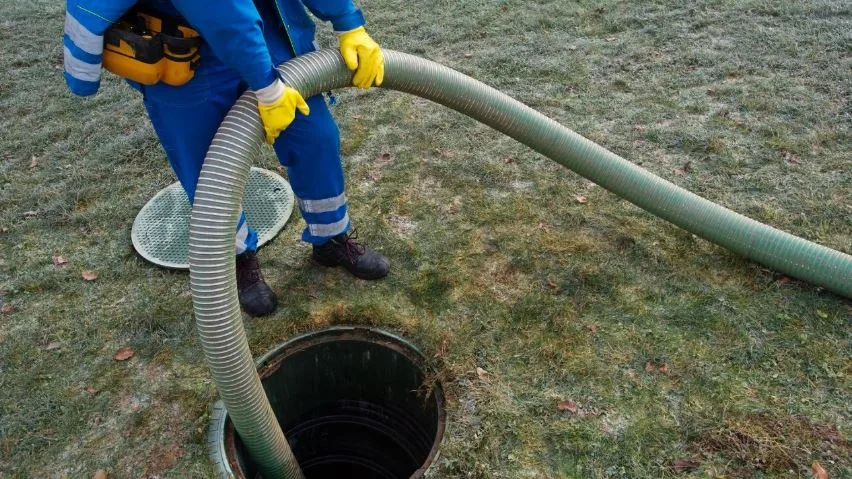
As a homeowner with a septic system, you understand the importance of proper maintenance. Your septic tank is a vital part of your home’s wastewater management, quietly working behind the scenes. However, neglecting it can lead to messy, expensive, and stressful problems. Regular maintenance, specifically Septic Tank Pumping, is key to ensuring your system functions correctly for years to come.
Knowing when to schedule this service is crucial. Waiting for a system failure is never a good strategy. This guide will walk you through the top signs that indicate your septic tank needs professional attention. By recognizing these warnings early, you can prevent significant damage and costly repairs.
Why Regular Pumping is Essential
Before we dive into the signs, let’s quickly cover why pumping is so important. Your septic tank separates solid waste (sludge) and lighter materials like grease and oil (scum) from the wastewater (effluent). The effluent flows out to the drain field, where it’s naturally treated by the soil.
Over time, the sludge and scum layers build up. If they get too thick, they can clog the outlet pipe, preventing effluent from leaving the tank. This can cause sewage to back up into your home or force solid waste into the drain field, leading to clogs and system failure. Regular pumping removes these built-up solids, resetting the system and keeping it healthy.
1. Slow Drains and Flushing
One of the earliest and most common indicators of a full septic tank is a slowdown in your home’s plumbing. You might notice that your sinks, showers, and bathtubs are taking longer than usual to drain. Your toilets may also seem weak when you flush them.
While a single slow drain could be a simple clog in a pipe, widespread drainage issues across multiple fixtures often point to a larger problem within your septic system. This happens when the tank is nearing capacity and has trouble accepting more wastewater, causing pressure to build up back into your home’s pipes.
2. Unpleasant Odors
Your septic system is designed to be airtight, containing all odors. If you start smelling sewage or rotten egg odors, it’s a clear red flag. These smells are often most noticeable outdoors near the septic tank or drain field area. You might also detect foul odors coming from your drains or toilets inside the house.
These smells indicate that gases are escaping the tank, which can happen when it’s full and not processing waste correctly. It’s a sign that your system is overwhelmed and requires immediate attention.
3. Pooling Water or Lush Grass
Take a walk around your yard, specifically over the area where your drain field is located. Do you see any standing water or unusually damp spots? This is a serious sign of septic system trouble. When the tank is full, solid waste can be pushed into the drain field pipes, causing clogs. The wastewater has nowhere to go but up, seeping to the surface.
Another, more subtle sign is an unusually green and lush patch of grass directly over your drain field, even during dry weather. While it might look nice, this vibrant green is often due to excess water and nutrients from a failing septic system. It’s essentially fertilizing your lawn with untreated wastewater.
4. Gurgling Sounds in Your Plumbing
Do you hear strange gurgling sounds coming from your pipes, even when no water is running? This is another early warning sign. These sounds are often caused by trapped air in the plumbing system, which can happen when the septic tank is full and wastewater is struggling to flow out of your home. Think of it as your plumbing system gasping for air. These noises are your home’s way of telling you that something is wrong.
5. Sewage Backup
The most unpleasant and unmistakable sign of a full septic tank is a sewage backup. This occurs when the tank is completely full and can no longer accept any more waste from your home. The wastewater has nowhere else to go and backs up through the pipes and into your house, typically appearing in the lowest drains first, like basement floor drains, showers, or toilets.
A sewage backup is a serious health hazard and a clear emergency. It indicates that your septic system has failed and requires immediate professional service.
6. It’s Been a While
Even if you haven’t noticed any of the signs above, the amount of time since your last pump is a critical factor. Most septic systems require pumping every 3 to 5 years. However, this schedule can vary based on several factors:
- Household Size: More people means more water usage and more waste.
- Tank Size: Smaller tanks will fill up faster than larger ones.
- Water Usage: High water usage (e.g., frequent laundry, long showers) can accelerate the need for pumping.
If you can’t remember the last time your tank was pumped, or if you’ve recently moved into a home with a septic system, it’s wise to have it inspected and likely pumped. Proactive maintenance is always cheaper and less stressful than emergency repairs.
Your Next Steps
Your septic system is a crucial component of your home’s infrastructure. Paying attention to these warning signs can save you from the headache and expense of a major system failure. If you’re experiencing slow drains, strange odors, or any of the other issues mentioned, it’s time to take action.
Don’t wait for a small problem to become a messy disaster. For professional, reliable septic tank services, trust the experts. Contact Dan Parr Sewer and Septic Installation today. Our experienced team can inspect your system, provide expert septic tank pumping, and ensure your home’s wastewater system is running smoothly. Schedule your service with us and gain peace of mind knowing your septic system is in good hands.