How Asset Tracking Software is Shaping the Future of Construction
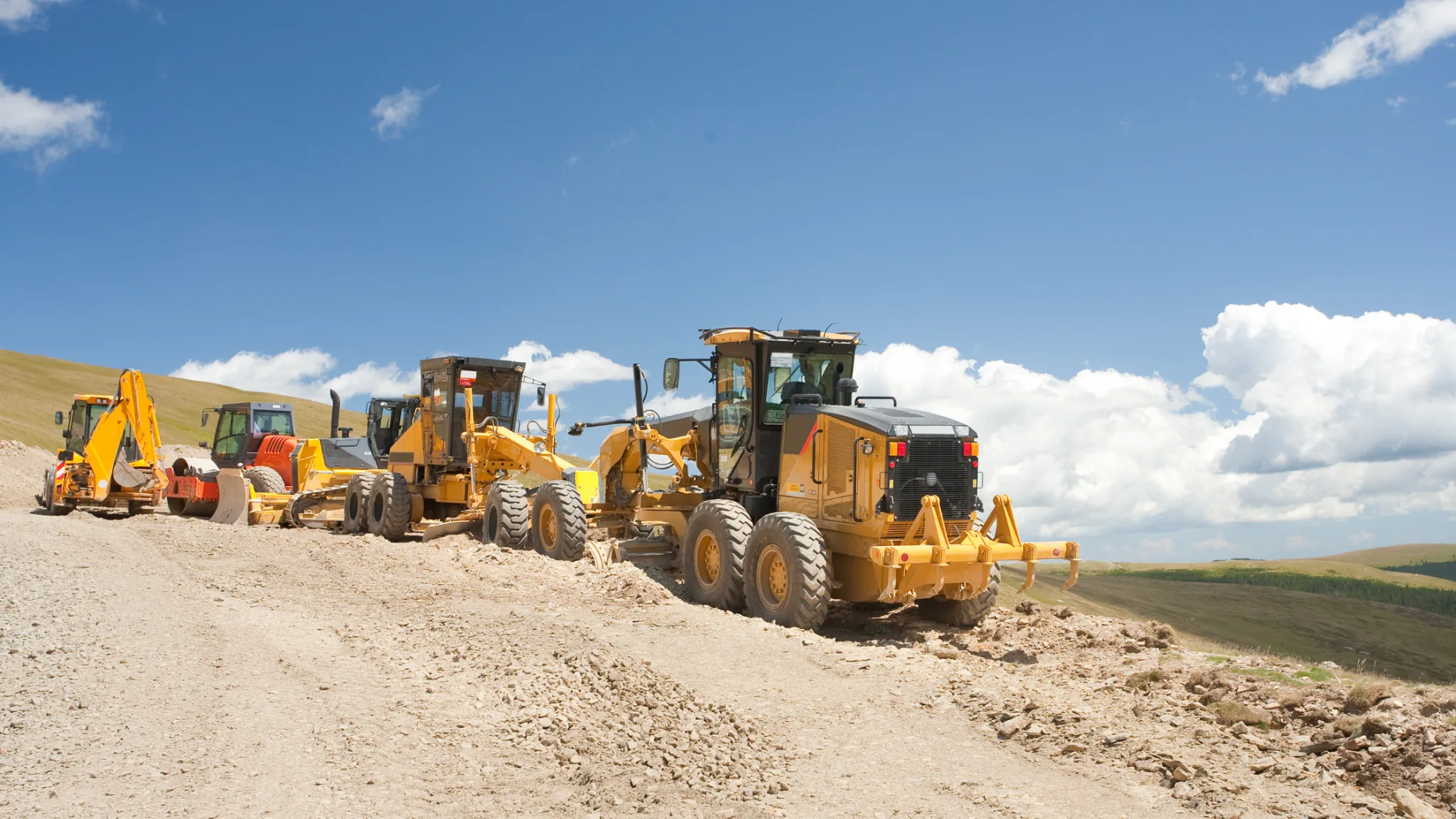
Construction industry assets management has always presented unique challenges. Constantly moving expensive equipment around job sites has resulted in inefficiencies and losses that often go undetected.
Construction asset tracking software has revolutionized how businesses manage their resources. Not only does it facilitate tracking but it also enhances operational efficiency, safety and cost control – transforming into an indispensable tool in the modern construction industry.
The Evolution of Asset Management in Construction
Asset management in construction has undergone dramatic change over time. Traditionally, companies relied on manual tracking methods like logbooks and spreadsheets as an asset management strategy; although these were effective tools they often led to errors and inefficiency; leading to equipment theft, misplacement and downtime.
Since 2010, digital asset tracking has revolutionized construction operations. Modern tracking technologies such as GPS, RFID and IoT are widely employed to track tools and equipment around sites – with construction firms using this shift to access real-time data, improve accuracy and streamline operations – not simply knowing where their assets are but how well they’re performing, when maintenance needs to take place and keeping them at peak condition.
How Data-Driven Decisions Are Revolutionizing Construction Operations
Real-time data is the backbone of modern construction operations. Through construction asset tracking software, project managers can now track not only where their assets are but also their condition and utilization. This kind of data allows businesses to make informed, data-driven decisions that drive efficiency.
Being aware of when equipment was last serviced can prevent costly breakdowns, while tracking its usage patterns is key in allocating resources efficiently to avoid downtime. Data derived from such systems integrate into other management tools for an unified approach to project management that empowers teams instead of reacting when problems arise by taking proactive measures that ensure smooth operations while decreasing delays and improving project performance.
Clue asset tracking software offers all the essential features construction companies need to streamline operations. By utilizing real-time data, construction teams can make informed decisions, optimize resource allocation, and boost project efficiency all from a single, user-friendly platform.
Overcoming Industry Challenges with Asset Tracking Software
The construction industry has long been plagued by inefficiencies, and asset mismanagement is one of the leading contributors. Asset tracking software is directly addressing these challenges by offering practical solutions.
- Preventing Equipment Theft: Equipment theft on construction sites is an ongoing problem, yet traditional tracking methods often fail to prevent it. With asset tracking software, businesses can monitor the real-time location of their equipment to ensure its security, setting alarms when assets move unexpectedly or leave designated areas and helping prevent theft before it occurs.
- Minimizing Downtime: Equipment downtime can be extremely costly, particularly if projects are delayed as a result of equipment failure. Asset tracking software can help predict when equipment may break by tracking usage patterns and maintenance history – this predictive maintenance reduces breakdown risk while simultaneously decreasing downtime costs.
- Reducing Project Delays: Projects often face delays because tools or equipment are hard to locate. With Clue asset tracking software, each piece of machinery or equipment can easily be tracked down so less time is wasted looking for missing pieces.
The Role of Asset Tracking Software in Construction Sustainability
Construction projects have increasingly prioritized sustainability in response to industry pressure to reduce waste and carbon footprints, and asset tracking software plays an instrumental part in making construction projects more eco-friendly.
By effectively tracking tools, materials, and machinery used by their business, companies can better allocate resources more efficiently while eliminating wasteful spending.
Software assists companies with this by optimizing equipment usage to extend lifespan while decreasing frequent replacement needs; additionally it may help decrease fuel consumption and carbon emissions by using only necessary machinery on site and optimizing how machinery is utilized – another benefit which the software brings.
The Future of Asset Tracking in Construction
As construction continues to innovate, asset tracking’s future is closely interwoven with emerging technologies.
AI and Machine Learning
Artificial intelligence will play an increasingly integral part in anticipating equipment requirements and performance. By analyzing vast amounts of sensor data collected during use and usage patterns, artificial intelligence allows construction companies to predict when their equipment needs maintenance thereby helping avoid unscheduled downtime.
IoT and Sensors
The Internet of Things (IoT) is revolutionizing how construction equipment is tracked, providing managers with real-time updates from fuel levels to engine health that ensure their assets are always ready. Smart sensors enable equipment to report its own condition directly allowing managers to have continuous knowledge regarding any aspect of asset readiness from maintenance levels to engine health statuses. This data stream ensures assets always stand ready.
Automation
With automation growing increasingly prevalent within construction, asset tracking software will form the cornerstone of smart construction sites, providing seamless workflows and real-time updates on asset statuses.
Implementing Asset Tracking Software in Your Construction Business
Construction firms looking to implement asset tracking software may find the process overwhelming; here is a simple guide on getting started:
Assess Your Needs
Evaluate which assets and equipment require tracking, along with their type and volume; this could range from large equipment only, such as vehicles or tractors, all the way down to tools and materials such as paper.
Choose the Appropriate Software
When selecting software solutions that best serve the needs of your company, be sure to pick solutions which integrate well with existing systems while scaling with growth. Consider features like real-time tracking, mobile access and analytics when making this selection.
Train Your Team
Make sure your team receives adequate instruction on the software’s use to ensure a seamless adoption process and to experience its full advantages right from day one.
Measure Return On Investment (ROI):
Over time, track how asset tracking software is improving efficiency, decreasing downtime and cutting costs; this will allow you to accurately quantify its return on Investment (ROI). Doing this will justify continuing use.
Conclusion
Construction asset tracking software has quickly become an indispensable resource in today’s construction industry, offering real-time asset monitoring, predictive maintenance and data-driven decision making to increase efficiency, security and sustainability in operations while optimizing operations to guarantee project success. Asset tracking will continue its role in shaping operations as the industry moves toward becoming increasingly data driven and project success is guaranteed.
Now is an opportune moment to incorporate asset tracking technology into your workflow and increase productivity for long-term business success. Integrate construction asset tracking software and streamline processes while increasing productivity with construction asset tracking software!