Dr. Deena Moustafa Highlights Family Centered ABA Care as Autism Identification Rises
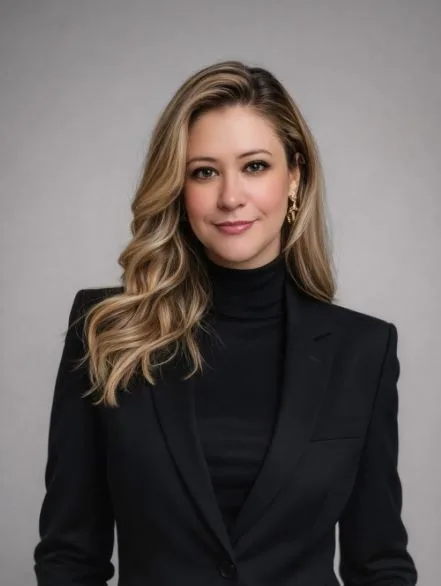
As autism identification continues to rise in the United States, Dr. Deena Moustafa, Ph.D., BCBA, is pointing to a family-centered Applied Behavior Analysis model that emphasizes caregiver partnership and skill building across home and school settings.
Rising demand for structured support
Recent CDC reporting published in 2025 underscores the scale of need: the CDC estimates 1 in 31 eight-year-olds were identified with autism in 2022 surveillance data, and CDC survey data indicate 11.4% of U.S. children ages 3–17 have ever received an ADHD diagnosis.
A model built around daily life
Moustafa’s approach focuses on skills that can carry into daily routines, supported through caregiver coaching and coordinated strategies that can be reinforced across environments. She has also emphasized the strain many families and providers face, including caregiver stress and burnout across education and clinical settings.
Multi-setting services across California and Florida
Through Go Behavioral, the ABA therapy network she founded in 2018, Moustafa leads services for children and teens ages 3–18 across California and Florida, with international partnerships in Europe. Services are delivered across in-home, in-school, virtual, clinic, and community settings, with an aim of supporting consistency across environments.
Program scope and clinical oversight
Programs include ABA therapy for autism and ADHD, intensive early intervention, school-age and summer programs, social skills groups, parent coaching, functional behavior assessments, IEP collaboration, and progress tracking. For early intervention, treatment plans may involve higher intensity schedules, including 25 to 40 hours per week for young children, depending on individualized goals and clinical oversight.
Work beyond direct services
In addition to clinical operations, Moustafa consults with schools, employers, and clinical teams on inclusive systems and burnout prevention. Her speaking and research topics include masking in high-performing women, caregiver burnout, ethics and cultural fit in autism therapy, whole child frameworks, and neurodiverse workplace culture.
Moustafa is an associate professor and published author with more than a decade of experience supporting children with autism and developmental differences. She also holds certifications spanning clinical ethics and behavior analysis, with a focus on equitable and culturally responsive care for neurodivergent individuals and their families.
Beyond clinical operations, Moustafa has also expanded into sensory-friendly apparel through Cozyino, a clothing brand focused on reducing common irritants for people with sensory sensitivities. The company says its designs emphasize features such as tagless construction, flatter seams, and softer breathable fabrics intended to make getting dressed feel calmer and more manageable for children and adults, including those with autism and sensory processing differences.