How to Choose Eco-Friendly Food Packaging for Your Food Truck
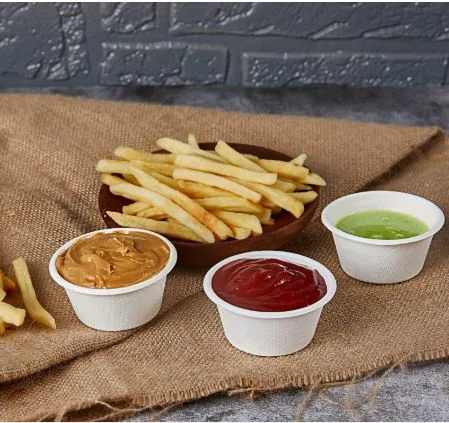
The food truck industry has exploded in recent years, bringing gourmet meals and innovative cuisine to street corners and festivals across the globe. Yet this mobile dining revolution faces a persistent challenge: packaging. Unlike traditional restaurants, food trucks must rely entirely on disposable containers that can withstand transport, maintain food quality, and satisfy increasingly eco-conscious customers. Today’s diners aren’t just looking for great taste—they’re scrutinizing the environmental footprint of every meal. This shift has created a critical dilemma for food truck operators: how do you choose packaging that protects the planet without compromising on durability, food safety, or your bottom line? The answer lies in understanding the intersection of material science, operational needs, and sustainable business practices. This guide explores the essential factors food truck owners must consider—from material types and functional requirements to sourcing strategies and cost management—to make informed decisions that serve both their business goals and environmental values.
Why Eco-Friendly Packaging is a Must for Modern Food Trucks
The shift toward sustainable packaging isn’t just an ethical choice—it’s becoming a business necessity. Recent surveys show that over 70% of consumers actively prefer brands demonstrating environmental responsibility, with millennials and Gen Z diners willing to pay premium prices for meals served in eco-friendly containers. This demographic shift directly impacts food truck profitability, as mobile vendors depend on repeat customers and social media buzz to thrive. Beyond consumer preference, regulatory landscapes are tightening rapidly. Cities from San Francisco to Seattle have enacted bans on polystyrene foam containers, while the European Union’s Single-Use Plastics Directive sets a global precedent. Non-compliance can mean fines or outright operational restrictions in lucrative festival and event markets. The branding advantages are equally compelling. A food truck using compostable take-out food containers signals quality consciousness and community care, differentiating your business in crowded markets. For caterers serving corporate clients or weddings, sustainable packaging has become a contract requirement rather than a nice-to-have feature. Mobile dining solutions demand containers that maintain food integrity during transport—and today’s eco-friendly options deliver that reliability while building customer trust. The question is no longer whether to go green, but how to do it strategically without sacrificing the durability and leak resistance that keep your operation running smoothly.
Key Criteria for Selecting High-Quality, Sustainable Food Packaging
Understanding what qualifies as truly eco-friendly requires looking beyond marketing claims to material science. Compostable packaging breaks down into organic matter within 90-180 days in commercial facilities, making it ideal for municipalities with composting programs. Biodegradable materials decompose naturally but may take years and leave residues, offering less environmental benefit. Recyclable options like aluminum and certain plastics work only when customers have access to proper recycling streams. Containers made from recycled content reduce virgin resource extraction, though they may not always be recyclable again themselves. For food truck operators, functional performance matters as much as sustainability credentials. Leak resistance is non-negotiable for saucy dishes, gravies, and soups—a failed container ruins customer experience and your reputation. Temperature retention separates adequate packaging from excellent choices: insulated materials keep hot foods steaming and cold items fresh during transport to catering events or delivery drops. Structural integrity under stress determines whether your stacked containers arrive intact or collapse into a mess. Material safety certifications ensure packaging won’t leach chemicals into food, particularly critical when dealing with hot, acidic, or fatty menu items. Food-grade designations and compliance with FDA or EU standards protect both customer health and your liability. For caterers serving corporate functions or weddings, these quality markers signal professionalism. The right take-out food containers balance all these factors—they’re certified compostable or recyclable, resist leaks and grease penetration, maintain appropriate temperatures for 30-45 minutes, withstand stacking and jostling during mobile transport, and carry proper food-contact safety certifications. This combination ensures your sustainable choice doesn’t compromise the dining experience that keeps customers returning.
Material Deep Dive: Pros and Cons of Common Eco-Friendly Options
Bagasse containers, made from sugarcane fiber waste, excel with hot, moist foods and offer excellent grease resistance, though they soften with extended liquid contact. They compost readily and cost moderately, making them versatile for most food truck applications. PLA containers resemble clear plastic and showcase food beautifully, but they require commercial composting facilities and can warp above 110°F, limiting use for piping-hot entrees. Molded fiber clamshells provide superior insulation and structural strength for burgers and sandwiches, decompose in home compost, yet lack the leak resistance needed for saucy dishes. Paperboard works well for dry items like fries or pastries and accepts custom printing for branding, but requires lining for moisture protection, which may compromise compostability. Aluminum containers offer unmatched durability, heat tolerance, and infinite recyclability—perfect for catering large events—but carry higher material costs and energy-intensive production. The ideal choice depends on your signature dishes: bagasse for grain bowls and curries, PLA for cold salads and desserts, molded fiber for sandwiches, paperboard for sides, and aluminum for high-volume catering where reheating matters. Many successful trucks use a strategic mix, selecting materials that optimize both food quality and environmental impact for each menu category.
A Step-by-Step Guide to Sourcing Your Food Truck Supplies
Transforming sustainability goals into operational reality requires a systematic approach. Start by conducting a thorough menu audit: catalog every dish you serve and document current packaging failures—containers that leak, collapse under weight, or fail to keep food at proper temperatures. Photograph problem instances and note customer complaints. This diagnostic phase reveals exactly which packaging properties matter most for your specific offerings. Next, establish your framework by defining non-negotiables versus flexibility zones. Determine your sustainability priority—compostability, recyclability, or recycled content—and set a realistic budget ceiling, typically 15-30% above conventional packaging costs. Research suppliers who specialize in food truck supplies rather than general restaurant distributors, as they understand mobile operation constraints. Suppliers like Jolly Chef offer tableware lines designed specifically for mobile food service, with products tested for the rigors of transport and outdoor events. Verify certifications: look for BPI Compostable, FDA food-contact approval, and supplier transparency about sourcing. Request detailed specification sheets, not just marketing brochures. The sampling phase is critical—order small quantities of three to five candidates and run rigorous field tests. Fill containers with your actual menu items at serving temperature, seal them, and subject them to transport conditions: stack them in your truck, drive over rough roads, let them sit for 30 minutes. Check for leaks, structural integrity, and temperature retention. Involve your staff in evaluation, as they handle packaging hundreds of times daily. Calculate total cost of ownership beyond unit price: factor in storage space requirements, waste disposal fees, and potential upsell opportunities when customers appreciate premium packaging. Dense, stackable containers may cost more per unit but save storage space in cramped trucks. Finally, develop a customer education strategy. Print disposal instructions directly on containers or create signage explaining your composting partnership with local facilities. When customers understand how to properly dispose of packaging, your environmental impact multiplies. This methodical process transforms packaging selection from guesswork into strategic decision-making, ensuring your investment in eco-friendly food truck supplies delivers both operational performance and sustainability outcomes that resonate with your customer base.
Balancing Cost, Function, and Sustainability in Your Final Choice
The premium pricing of eco-friendly packaging—often 20-40% above conventional options—intimidates many food truck operators, but strategic approaches can mitigate this impact. Start by implementing tiered packaging: use premium compostable containers for signature dishes that command higher prices, while reserving simpler paper options for lower-margin sides. This targeted approach delivers sustainability credibility without uniformly inflating costs. Negotiate volume discounts by coordinating purchases with other local food trucks, creating informal buying cooperatives that leverage collective purchasing power. Many suppliers offer price breaks at quantities feasible for small groups but unattainable individually. Design optimization reduces material consumption without sacrificing function—right-sizing containers to menu portions eliminates excess material and storage waste. A 9-inch container costs less and uses fewer resources than a 10-inch option if your portions fit comfortably. Calculate the complete financial picture beyond sticker price: reduced waste hauling fees, potential tax incentives for sustainable businesses, and the premium pricing power that eco-conscious branding enables. Customers demonstrably pay 8-12% more when packaging aligns with their values, often offsetting the container cost difference. For operations hesitant to commit fully, adopt a phased transition. Begin with one high-visibility category—perhaps your bestselling item—and promote the change actively on social media. Monitor customer response and operational performance before expanding. This hybrid model builds confidence while demonstrating commitment. The long-term return manifests in customer retention rates, positive online reviews mentioning your environmental stance, and access to premium venue contracts that require sustainability compliance. Smart food truck operators recognize that packaging isn’t merely an expense—it’s a marketing investment that communicates brand values with every meal served.
Making the Sustainable Packaging Transition Work for Your Business
Choosing eco-friendly packaging for your food truck represents far more than an operational expense—it’s a strategic investment that shapes your brand identity, customer relationships, and long-term viability. The decision process hinges on four interconnected factors: understanding material properties and their environmental credentials, matching functional requirements to your specific menu offerings, developing efficient sourcing relationships with specialized suppliers, and balancing immediate costs against sustained returns through customer loyalty and regulatory compliance. There is no universal solution; the ideal packaging mix emerges from your unique combination of cuisine, target market, operational constraints, and sustainability values. A taco truck’s needs differ fundamentally from a dessert vendor’s requirements, just as urban festival circuits demand different considerations than suburban catering routes. What remains constant is the trajectory: consumers increasingly reward businesses that align packaging choices with environmental responsibility, while regulations continue tightening around single-use materials. By taking the first concrete step—auditing your current packaging performance and requesting samples from vetted eco-friendly suppliers—you begin a transition that strengthens your competitive position while contributing meaningfully to waste reduction. The food truck that acts now positions itself as an industry leader rather than a reluctant follower, building customer trust one compostable container at a time.