How to Choose the Perfect USB C Hub Pro for Your Needs
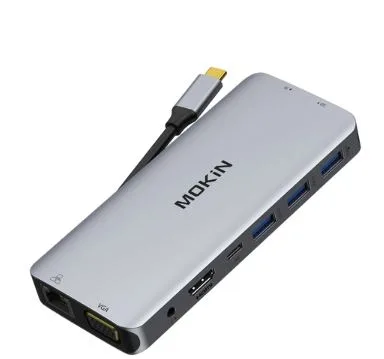
Modern laptops have become masterpieces of minimalist design—thin, lightweight, and undeniably sleek. Yet this aesthetic triumph comes with a frustrating trade-off: the disappearance of essential ports. What was once a simple task like connecting a monitor or transferring files from an external drive now requires careful planning. Enter the USB C Hub Pro, the bridge between elegant hardware and practical functionality. For professionals, creatives, and students alike, these compact devices have become indispensable tools. However, the market is flooded with countless options, each promising universal compatibility and premium performance. The reality? Many users end up with hubs that overheat, underperform, or simply don’t match their workflow requirements. This guide cuts through the marketing hype and technical jargon to help you identify the USB C Hub Pro that genuinely fits your daily needs—whether you’re running dual monitors, managing massive file transfers, or simply need reliable charging while working remotely.
Understanding Your Core Connectivity Needs
Before diving into specifications and product comparisons, take a moment to honestly assess how you actually use your laptop. The remote worker juggling video calls, cloud storage, and an external monitor has vastly different requirements than a graphic designer transferring massive RAW files while driving dual 4K displays. Students might prioritize affordability and basic expansion for presentations and occasional file transfers, while video editors need sustained high-speed data throughput without thermal throttling. Start by documenting a typical workday: Which devices do you connect simultaneously? Do you regularly present to external displays? How often do you transfer large files from SD cards or external SSDs? Are you tethered to your desk or constantly moving between locations? This honest inventory reveals your true needs rather than aspirational ones. Perhaps you assumed you needed seven ports, but realistically use only four. Maybe you thought basic charging sufficed until you realized your laptop battery drains during intensive tasks. Understanding these patterns prevents both overspending on unnecessary features and the frustration of discovering critical limitations after purchase. Your connectivity profile is the foundation for every subsequent decision in choosing the right USB C Hub Pro.
Decoding USB C Hub Pro Specifications: What Really Matters
Data Ports: Speed and Compatibility
Transfer speeds determine whether moving files feels instantaneous or becomes a coffee break necessity. USB-A 3.0 ports deliver 5Gbps—adequate for documents and photos but sluggish when transferring 50GB video projects. USB-A 3.2 doubles that to 10Gbps, cutting transfer times in half. USB-C data ports typically match these speeds but offer reversible convenience and future compatibility. For photographers and videographers, integrated SD or microSD card readers eliminate the need for separate adapters, streamlining workflow considerably. The critical consideration isn’t just maximum speed but whether the hub maintains those speeds when multiple ports operate simultaneously. Cheaper hubs share bandwidth across ports, meaning your external SSD slows to a crawl when you’re also using a USB-A drive. Quality hubs dedicate bandwidth per port, ensuring consistent performance regardless of how many devices you connect at once.
Video Output: Navigating 4K HDMI and Beyond
HDMI specifications create real confusion because not all “4K support” delivers the same experience. HDMI 1.4 technically supports 4K but limits you to 30Hz refresh rate—acceptable for static spreadsheets but noticeably choppy for video playback or cursor movement. HDMI 2.0 enables 4K at smooth 60Hz, essential for media professionals and anyone who values visual fluidity. If you run dual monitors, verify the hub explicitly supports extended desktop mode rather than just mirroring, and confirm both displays can run at your desired resolution simultaneously. Some hubs force you to choose between two 1080p displays or a single 4K output. For presenters who occasionally connect to projectors, even basic HDMI 1.4 suffices, but daily multi-monitor users should treat HDMI 2.0 as non-negotiable for maintaining productivity without visual compromises.
Power Delivery (PD Charging): Keeping Your Laptop Juiced
Power Delivery wattage directly impacts whether your laptop charges, maintains battery level, or slowly drains during use. A 13-inch ultrabook might thrive with 60W PD, but a 15-inch workstation running intensive applications demands 85W or 100W to actually charge while operating. The hub itself consumes roughly 10-15W for its operations, so a 100W PD hub delivers approximately 85-90W to your laptop. Check your laptop’s original charger wattage and choose a hub matching or exceeding that number. Underpowered hubs create a frustrating scenario where your battery percentage creeps downward during video calls or rendering tasks, defeating the purpose of “passthrough charging.” Additionally, verify the hub supports PD charging for your specific laptop brand—some proprietary systems have compatibility quirks that render certain hubs ineffective despite meeting wattage requirements on paper. Manufacturers like MOKiN and others in the charging device industry have worked to address these compatibility challenges, though it’s still essential to verify compatibility with your specific laptop model before purchasing.
The Step-by-Step Guide to Choosing Your Hub
Armed with technical knowledge, translate that understanding into a systematic selection process. Step one involves creating your must-have port list from your connectivity audit—write down exactly what you plug in during your busiest workday, not what you might theoretically need someday. If that list includes two USB-A devices, one HDMI display, and an SD card reader, those become your non-negotiable baseline. Step two establishes your budget range and identifies brands with proven reliability through warranty coverage and customer support responsiveness. A $40 hub from an unknown manufacturer might seem tempting, but established brands typically offer better thermal management and actual customer service when issues arise. Step three involves comparing shortlisted models on your critical specifications: Does the PD wattage match your laptop’s charger? Is the HDMI version sufficient for your display needs? Can the data ports handle simultaneous transfers without bandwidth sharing? Step four requires diving into user reviews, specifically searching for mentions of overheating during extended use, compatibility with your laptop brand, and whether advertised speeds match real-world performance. Look for reviews from users with similar workflows rather than generic praise. Step five examines build quality indicators like aluminum construction versus plastic housings, cable length and thickness, and warranty duration. A twelve-month warranty signals more confidence than ninety days. This methodical approach transforms an overwhelming selection into a manageable decision based on evidence rather than marketing claims.
Common Pitfalls to Avoid When Buying a USB C Hub
Even informed buyers stumble into predictable traps that turn promising purchases into regrettable ones. The most common mistake is underestimating power requirements—choosing a 60W PD hub for a laptop that shipped with an 87W charger creates a perpetual battery drain during demanding tasks, leaving you tethered to outlets despite owning a “portable” solution. Another frequent error involves ignoring bandwidth limitations; shoppers count ports but overlook that many budget hubs share a single USB controller across all connections, causing dramatic slowdowns when transferring files from an external SSD while simultaneously using a USB webcam. Overheating represents a silent performance killer that only reveals itself after weeks of use—plastic housings without adequate thermal dissipation throttle speeds or trigger sudden disconnections during extended operations. Port count obsession leads buyers toward “Swiss Army knife” hubs bristling with twelve connections they’ll never use, sacrificing build quality and reliability for unnecessary versatility. Finally, shortsighted purchasing ignores future needs; that hub without USB-C data ports might serve today’s USB-A peripherals but becomes obsolete as accessories evolve. The warranty period offers telling insight—manufacturers confident in their products offer two-year coverage, while those expecting failures limit protection to ninety days. Avoiding these pitfalls requires looking beyond flashy marketing to examine real-world performance patterns, thermal management solutions, and whether the hub genuinely matches your documented workflow rather than theoretical possibilities.
Making Your Informed Hub Decision
The perfect USB C Hub Pro isn’t found through chasing the highest port count or the lowest price—it emerges from aligning technical specifications with your documented workflow reality. A graphic designer driving dual 4K displays needs fundamentally different capabilities than a student presenting occasional slideshows, and pretending otherwise leads to buyer’s remorse. The hubs that truly deliver value balance three core pillars: sufficient Power Delivery wattage to actually charge your specific laptop during intensive use, video output matching your display requirements without compromise, and data ports that maintain advertised speeds under real-world multi-device scenarios. Build quality and thermal management separate reliable workhorses from disposable frustrations that throttle performance or fail within months. By systematically auditing your connectivity needs, decoding specifications that genuinely impact daily performance, and avoiding common purchasing pitfalls, you’ve equipped yourself to make a confident, informed decision. Your laptop’s minimalist design no longer represents limitation—with the right USB C Hub Pro, it becomes the foundation of a powerful, fully connected workstation tailored precisely to how you actually work, create, and collaborate.