Can HGV Traction Services Improve Driver Availability?
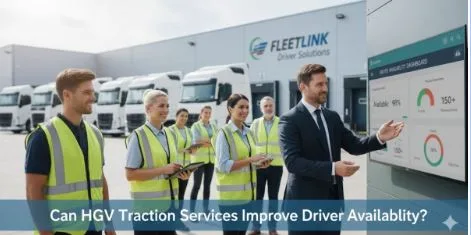
HGV driver shortages remain one of the key issues facing UK logistics. Fleets struggle to shift every working day. For some, licensing delays are to blame, while others cite long hours and poor conditions. Vehicle reliability also conceals a big influence on driver availability, especially as Smart Logistics becomes more critical to keeping fleets efficient and drivers on the road.
Breakdowns mean missed shifts, stress, and lost income. Poor road grip raises accident risk, especially in winter. All these factors drive drivers away from operators. That’s where HGV traction services come into play.
Traction services increase grip, safety, and vehicle control. Better traction reduces breakdowns, delays, and roadside incidents. This report explores whether traction services might also increase driver availability, based on benefits, limits, and real-world fleet effects.
What Are HGV Traction Services?
HGV traction services enhance how heavy vehicles grip the road, targeting tyres, drive systems and added traction gear. Offerings range from winter tyres to tyre management or traction aids. Some use electronic traction control; others depend on specialist tyre fitting and monitoring.
The objective is pragmatic-to keep traffic moving and safe under all conditions. Greater traction limits wheelspin and loss of control on wet, icy, or rough surfaces. Traction services supplement, but do not replace, good driving skills.
Why Driver Availability Is a Growing UK Problem
Driver shortages persist in the UK: many quit during recent disruptions; others took early retirement or transferred to jobs with more life-work balance. Long shifts continue.
Vehicle reliability affects job satisfaction. Drivers want safe, predictable vehicles. Breakdowns mean unpaid waiting and frustration. Bad weather increases pressure. Unsafe vehicles push drivers to seek better employers. Availability hinges on trust between drivers and fleets.
How Vehicle Safety Affects Driver Retention
Safety means brakes, tyres, visibility, and traction. Poor grip raises anxiety, especially for winter deliveries. Near-misses erode confidence. Traction services reduce risk and help drivers stay in control on slippery roads. Confidence, calmer driving, and less fatigue boost attendance and availability. Drivers prefer to stay longer when they feel safe at work. Drivers prefer fleets investing in safety gear.
The Link Between Breakdowns and Driver Shortages
Breakdowns cause a direct decline in the number of drivers available. If a vehicle is broken, then that shift is lost for the driver. Sometimes, drivers are forced to wait for hours alongside the road without being paid. Trust is lost between employee and employer due to repeated incidents like this happening. Among the many reasons for the breakdowns in winter, one of the main reasons is traction-related failures.
Wheel spinning can result in damage to both tires and the vehicle’s powertrain. If a vehicle gets stuck in snow, this can disturb the whole delivery schedule. Drivers working in such conditions might feel that they are being accused of not doing their job properly. A huge help in overcoming these happenings are services providing traction. Reduced mechanical strain comes with better grip. The cycle of breakdowns and working hours is hanging on the fulcrum of fewer breakdowns.
Winter Conditions and Their Impact on Drivers
Winters in the UK are excruciatingly challenging for drivers. Since the beginning of winter, the grip of the tyres is diminished rapidly by ice, rain, and mud. Cold months are a period of higher risk for rural routes. Urban routes deal with flooding and slippery roads anyway. Still, the drivers feel they have to deliver no matter what risks are there.
Traction services are there to support and ensure safety in winter active operations. Winter tyres are the reason for shorter stopping distances. Traction control systems are used to avoid any wheel spin at all. Chains and aids are provided in areas with extreme conditions. Drivers no longer feel being pressed to give their best but rather being supported. As a result, their morale and attendance gets boosted.
Do Traction Services Reduce Driver Stress?
Stress affects driver health and performance. Unpredictable vehicle handling increases mental strain. Drivers worry about accidents and penalties. They also fear delays affecting delivery targets. Traction services create predictable vehicle behaviour.
Predictability reduces mental workload. Drivers focus on road awareness instead of survival. Lower stress improves long-term job satisfaction. Satisfied drivers take fewer sick days. They also remain available during busy periods. Retention improves through consistent working conditions.
Can Traction Services Improve Recruitment?
Recruitment is very much affected by the employer’s esteem. Drivers are seldomly quiet about fleet conditions. Safety investment is the magnet for hiring the most skilled professionals. On the other hand, traction services are a proof of responsible fleet management. Job ads that signal the availability of safety upgrades will attract many applicants.
A company’s investment in modern equipment is a driver’s first choice. With the help of the better grip, novice drivers are able to gain confidence sooner. A well performed and less risky training. Incidents are reduced, thus the records of fleet insurance also improve. Lower insurance fees allow for further investment. The cycle is in full swing, and the company’s recruitment success goes up.
Cost Concerns for Fleet Operators
Traction services require upfront investment. Tyres, systems, and monitoring cost money. Some operators worry about short-term expenses. However, breakdowns cost more over time. Accidents increase repair and insurance costs.
Driver turnover adds recruitment expenses. Traction services reduce hidden operational losses. Improved availability increases delivery reliability. Reliable fleets win long-term contracts. Costs should be measured against long-term savings. Investment often pays back within seasons.
Limits of Traction Services
Traction services are not a full solution. They cannot replace fair wages and good schedules. Drivers still need reasonable working hours. Training remains essential for safety. Poor management reduces benefits quickly.
Traction services support, not replace, good practices. They work best with proper driver engagement. Maintenance must remain consistent. Incorrect tyres reduce effectiveness. Services must match route conditions. Planning determines final success.
Practical Steps for UK Fleet Operators
Begin with an entire fleet tire assessment. Then find the routes frequented by traction issues. Only then purchase winter-specific equipment if absolutely necessary. After that, teach the drivers how to operate the traction system. Finally, keep the watch on the tire wear regularly.
Encourage driver feedback on vehicle handling. Adjust services based on real experience. Communicate safety investment clearly to drivers. Track breakdown and absence data. Measure improvements over time. Use results to guide future upgrades.
Conclusion
HGV traction services can improve driver availability. They reduce breakdowns, stress, and safety risks. Drivers feel supported during difficult conditions, especially when operating a well-maintained transit trailer as part of a reliable fleet. Confidence improves through predictable vehicle handling. Retention benefits follow safety improvements.
Recruitment becomes easier with better fleet reputation. Traction services are not a complete solution. They work best alongside fair employment practices. For UK fleets, they offer practical value. Availability improves when drivers feel safe and respected. Investment in traction is investment in people.