How Material Choices Affect the Longevity of Any Building
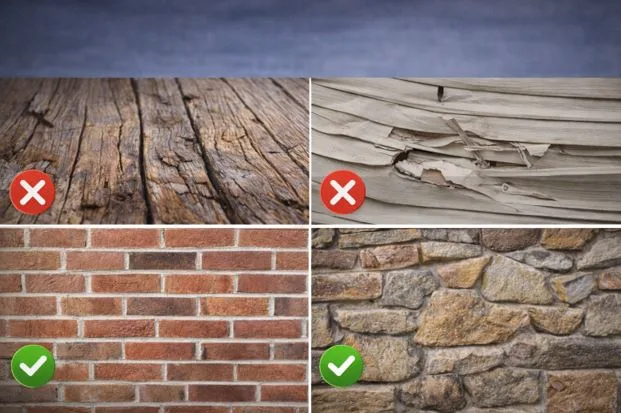
As an architect plans and draws up blueprints, there is always hope of creating an edifice that will last for posterity. However, as with most things, reality is governed by budget constraints and time considerations rather than posterity. The short-sighted approach to this can prove calamitous to property developers down the line.
The functional and aesthetic aspects of any edifice are determined by design, but if there is one aspect of design that contributes most to whether an building can be said to be viable, it is materials chosen in design plans. The reality of an edifice is that it is what fights off natural forces on a daily basis, and making an error in this area can prove calamitous.
Understanding Material Degradation
To make an informed selection, you must first be knowledgeable about why a material fails. Each building material has a nemesis. For example, natural materials such as untreated wood are vulnerable to biological attack from fungi, mold, and termites. It doesn’t take long for rot to develop if moisture infiltrates a wood-framed dwelling.
There are weaknesses in inorganic materials too. Concrete, which happens to be ‘indestructible,’ has pores in it. When water penetrates the pores and reaches the iron rods inside the concrete, the iron corrodes and expands, thereby causing the formation of holes from the inside out. Bricks can also get damaged if the mortar between them is not compatible when the load on them or the environment they are put in exposes them to incompatible conditions.
Climate Factors
Context is key in construction. For example, a certain construction material may perform amazingly well in the hot, dry environment of Arizona, but in the moist, saline atmosphere of coastal Maine, it may perform dismally. Climate in a particular region is a natural filter, weeding out unqualified construction materials.
In regions that experience substantial temperature changes, the process of thermal expansion is of particular concern. Materials expand when hot, but contract as the temperature cools. Materials in a structure that expand and contract at greatly differing rates, without corresponding joints, will be stressed to the breaking point.
It’s equally important to consider humidity levels. In the American South, the battle is for control of the humidity. It’s no surprise that materials that retain the humidity inside the walls are bound to create mold problems. On the freeze/thaw cycles of the American Midwest, materials like porous masonry can shatter if the water in the pores freezes.
It should be the primary goal of the architect to identify materials known for their ability to perform well in the specific region of the project’s location.
Selection of Materials Based on the Building Element
Structural steel’s use in construction and home building is becoming popular because it offers a solution to the longevity problems of the materials used today. In this regard, highly-rated steel buildings don’t have the propensity to warp, turn, and shrink like wood. With this, steel offers homeowners and engineers a steel structurally stable framework that maintains square windows and doors and reduces plaster cracking from typical structural shifting.
Moreover, steel is an inorganic material that is resistant to termites and dry rot. Though the initial investment for steel is higher than wood, the lifespan of steel-constructed buildings outlasts the lifespan of other frames.
Investing in Longevity for Sustainable Buildings
The word “sustainability” might refer to energy efficiency or recycled content, but the most sustainable structure is the building which never gets replaced. Each time a structure gets knocked down and replaced with a new building, the carbon footprint associated with the property gets doubled.
Permanent materials such as structural steel or high-performance masonry are a big input into the future. This not only saves the owner on the maintenance costs, but the material used for constructing the property gets utilized for many decades or even centuries to come!