What UK Viewers Need to Know About IPTV Before Making the Switch
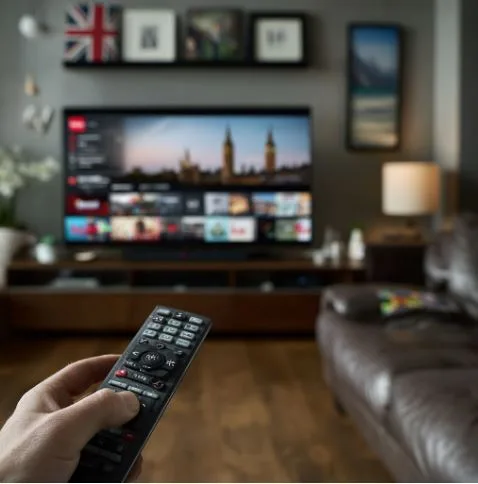
As internet-based television becomes more popular, lots of people in the UK are looking for straightforward answers about IPTV. Understanding how modern TV streaming actually works, what equipment you’ll need, and how to get the best viewing experience at home can be challenging for newcomers. Platforms like IPTVMAGNET’s IPTV guides provide educational resources to help viewers navigate these questions. This article tackles the real questions UK users have when they’re first exploring IPTV in 2026.
What Is IPTV and How Does It Work?
IPTV stands for Internet Protocol Television, and it delivers TV content through your internet connection rather than traditional satellite or cable. When you pick a channel or show, the content streams to you in real time over your broadband network, pretty much like how YouTube or Netflix works.
This approach gives you much more flexibility since you’re not tied to fixed broadcast schedules or physical cables. You can watch content on demand, pause live broadcasts, and stream across different devices around your home.
How Is IPTV Different From Traditional TV Services?
Traditional television works on a one-way broadcast system, meaning content gets transmitted whether you’re watching or not. IPTV flips this by only delivering content when you actually request it, which opens up features like catch-up TV, cloud recording, and video-on-demand libraries.
The other big difference is where you can watch. IPTV services work on smart TVs, Android boxes, streaming sticks, smartphones, tablets, and computers, which fits much better with how people actually watch TV these days.
Is IPTV Legal in the UK?
This comes up all the time. IPTV technology itself is completely legal and widely used by legitimate broadcasters and streaming platforms. Well-known services like BBC iPlayer, ITV Hub, and NOW TV all use IPTV delivery methods to get content online.
Where legality becomes important is whether a service actually has the proper rights to distribute the channels or programmes they’re offering. Viewers should only use providers that clearly state their licensing agreements and operate transparently within UK regulations. If a service seems too good to be true or doesn’t openly explain how they’ve licensed their content, that’s a red flag worth paying attention to.
It’s also worth noting that UK viewers still need a valid TV licence to watch BBC iPlayer, regardless of whether they’re using IPTV or traditional methods. The type of technology you use doesn’t change your licensing obligations.
What Internet Speed Is Needed for IPTV?
Your IPTV experience really depends on your internet speed and how stable your network is. Standard definition streaming doesn’t need much bandwidth, but if you want high-definition or ultra-high-definition quality, you’ll need faster and more reliable speeds.
Most UK households with modern broadband can handle IPTV just fine, but you’ll get better results using a wired Ethernet connection instead of Wi-Fi. A decent router and properly configured network will help cut down on buffering, especially during busy evening hours when everyone’s online.
Which Devices Can Be Used With IPTV?
One of the best things about IPTV is how flexible it is across different devices. In the UK, people commonly watch IPTV on smart TVs with built-in streaming apps, Android TV boxes and streaming sticks, mobile phones and tablets, and laptops or desktop computers.
Keep in mind that device compatibility varies depending on the service, so it’s worth checking whether your preferred devices are supported before you commit to anything.
Why Do IPTV Streams Sometimes Buffer?
Buffering usually happens because of network congestion rather than problems with the IPTV service itself. The usual culprits include limited bandwidth, outdated routers, wireless interference, or too many devices trying to use the same connection at once.
Tweaking your home network setup, upgrading your equipment, and using wired connections where possible can make a massive difference in streaming stability.
Can IPTV Replace Traditional Television in the UK?
For plenty of households, IPTV has already become a complete replacement for cable or satellite TV. Others use it alongside traditional services to get extra content or access on-demand libraries. Whether IPTV can fully replace your traditional setup really depends on what you like to watch, what content you need access to, and how reliable your internet connection is.
As broadband infrastructure keeps improving across the UK, IPTV is becoming a realistic option for more and more viewers.
Where Can UK Viewers Learn More About IPTV?
Since IPTV involves both technology and internet performance, having good educational resources matters. For a more detailed breakdown of how IPTV works in the UK context, this IPTV UK guide offers information covering setup requirements and optimization tips, helping users understand what equipment they’ll need and how to configure their setup for consistent quality.
Getting access to clear, unbiased information means you can make smarter decisions and avoid the common technical headaches.
What Should Viewers Consider Before Choosing IPTV?
Before making the switch to IPTV, UK users should think about their internet connection quality, whether their devices are compatible, what content they actually want to watch, and whether they’ll have access to decent customer support. Most importantly, verify that any service you’re considering clearly states how they’ve licensed their content and operates within legal boundaries.
Understanding these factors upfront, especially the legal and licensing aspects, helps ensure everything runs smoothly and keeps you on the right side of UK broadcasting regulations. As IPTV continues growing, being informed will play a huge role in shaping how UK households watch television in the coming years.