The Quiet Systems That Keep Ready Meals Fresh on Store Shelves
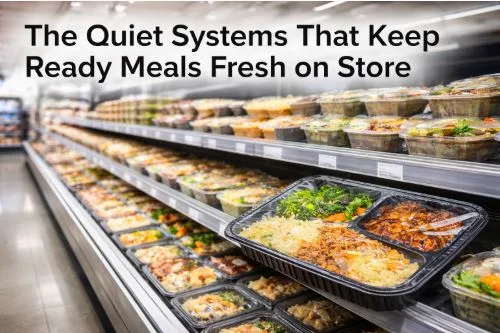
Take a walk through the refrigerated aisle of almost any supermarket today and one thing is obvious: ready meals are everywhere. From pasta and rice bowls to protein-packed lunches and plant-based dinners, convenience food has become part of everyday life for many households.
What’s less obvious is why some of these meals seem to hold up far better than others. You might have noticed it yourself — two meals that look similar on the shelf, with the same storage instructions, but very different results once you get them home. One stays fresh and appetizing for weeks. The other dries out, leaks, or spoils much sooner.
The difference usually isn’t the recipe. It’s the packaging.
Behind every ready meal that arrives intact, stays fresh, and reheats properly is a carefully managed system designed to protect food long before it reaches the store. As convenience meals become a regular part of how people eat, packaging has quietly become one of the most important — and overlooked — parts of the food chain.
Why Packaging Ready Meals Is More Complicated Than It Looks
From the outside, packaging a ready meal seems simple: put the food in a tray, seal it, and ship it. In reality, it’s one of the more complex challenges in food production.
Ready meals often combine ingredients that behave very differently over time. Sauces release moisture. Proteins react to oxygen. Vegetables soften. Starches change texture under refrigeration or freezing. All of these components are sealed together and expected to remain stable until the meal is opened and heated.
At the same time, expectations have risen. Shoppers want meals that look fresh and taste consistent without relying heavily on preservatives. Retailers want longer shelf life to cut down on food waste. Regulators require strict hygiene and safety controls. Sustainability concerns add another layer of pressure, particularly around plastic use.
Then there’s the reality of how these meals are handled. Products are stocked and restocked, transported through cold storage, exposed to temperature changes, and displayed under bright retail lighting. Meal delivery services add long transit times. Institutional catering introduces its own constraints around portion size and reheating.
All of this means packaging can’t be improvised. It has to work the same way, every time, at scale.
Why the Seal Matters More Than Most People Realize
When people think about food packaging, they usually focus on the container itself — the tray, the lid, the material. But in many cases, the seal is what really determines how well a meal holds up.
A weak or inconsistent seal can let oxygen in, allow moisture to escape, or compromise food safety. Even small variations can shorten shelf life or affect quality. That’s why sealing has shifted from a manual task to a tightly controlled process in modern food production.
Consistency is the goal. Every tray needs the same pressure, temperature, and timing applied during sealing, regardless of how fast the line is running. Relying on human handling alone makes that difficult at high volumes.
In large-scale facilities, this consistency is often achieved using automated equipment such as an automatic tray sealer — a general category of machinery designed to apply lidding film to filled trays under controlled conditions. These systems help ensure that each package is sealed uniformly, reducing the small variations that can lead to leaks or early spoilage.
For consumers, the result is something they instinctively notice. A clean, tightly sealed package feels trustworthy before it’s even opened.
How the Ready-Meal Boom Changed Packaging
The rapid growth of ready meals has reshaped how packaging is designed and used. As demand increases, packaging can no longer be treated as a final step tacked onto production. Instead, it’s becoming part of the overall food process.
Convenience is one reason, but it’s not the only one. Many shoppers now expect ready meals to deliver real quality — better ingredients, clearer nutrition, and a wider range of flavors. Global cuisines and specialized diets have expanded the category, increasing the variety of products that packaging has to protect.
Retailers depend on packaging to maintain quality across long supply chains. A single meal may travel through warehouses, trucks, cold storage, and store displays before reaching a kitchen. Throughout that journey, packaging is the main line of defense.
That’s why a modern ready meal packaging solution is usually less about a single machine and more about a coordinated process. It brings together tray handling, sealing, and atmosphere control to protect food while keeping up with the production speeds needed to supply large retailers.
In effect, packaging has become part of the product — not just the container around it.
The Sustainability Balancing Act
As packaging systems have become more advanced, sustainability has become one of the toughest challenges the industry faces. Consumers want less plastic and more recyclable materials. Regulators are pushing for reductions in packaging waste. But food safety and shelf life still have to come first.
These goals don’t always align perfectly. Lighter or alternative materials may reduce packaging waste, but they still need to protect food long enough to prevent spoilage. If packaging fails and food is thrown away, the environmental cost of wasted food can outweigh the benefit of reduced packaging.
As a result, much of the progress in this area comes from optimization rather than elimination. Thinner films, better seal reliability, and packaging designs that are easier to recycle can all reduce environmental impact without increasing food waste.
Most of these decisions happen out of sight. Shoppers rarely see the trade-offs that determine whether a meal stays fresh or ends up discarded.
How the Industry Explains What Happens Behind the Scenes
For journalists and researchers looking into how food systems work, much of this information comes from publicly available industry resources. Packaging manufacturers and suppliers publish explanations of sealing methods, production workflows, and the challenges food producers face.
Materials from companies such as utien.com, for example, outline commonly used approaches to tray sealing and ready-meal packaging in a way that helps explain how everyday foods are handled at scale. While most consumers never encounter the equipment involved, these resources make the process more transparent.
That transparency matters as ready meals become a normal part of how people eat.
Packaging and Consumer Trust
Most people don’t think about how their ready meal was sealed. But they notice when something goes wrong — a package leaks, spoils early, or looks unappealing on the shelf. In those moments, packaging becomes very visible.
As convenience foods move from occasional shortcuts to everyday staples, the systems that protect them matter more than ever. Packaging decisions influence food safety, waste, sustainability, and trust at the point of purchase.
The science behind ready-meal packaging may stay behind the scenes, but its impact is felt every time a meal stays fresh, travels safely, and meets expectations at the table.