How to Choose the Best SUV Rental for Your Iceland Adventure
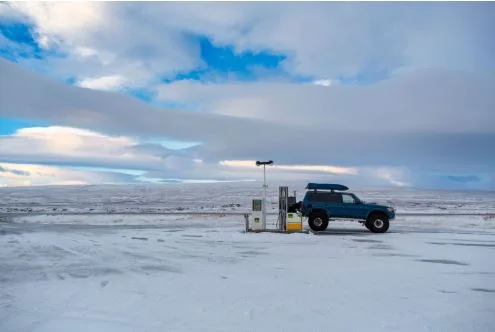
Choosing a vehicle in Iceland is rarely a one-size-fits-all decision. The same country that offers smooth coastal driving can also involve gravel detours, exposed stretches of highway, and fast-changing weather that affects visibility and handling. For travelers mapping out a self-drive itinerary, the vehicle choice is less about comfort alone and more about matching the car to the trip’s demands.
That planning usually begins with a route. A straightforward loop on the Ring Road may look simple on paper, but the reality of Icelandic terrain—and the way road conditions shift with weather and season—can change what feels practical from one week to the next. Understanding where you’re going and when you’re going is the quickest way to avoid mismatches between itinerary and vehicle.
Why Vehicle Choice Matters in Iceland
Iceland’s road network mixes modern highways with rural routes that can be narrow, uneven, or unpaved. While the main arteries connecting towns are often paved and well-maintained, many scenic stops are reached via short gravel stretches. Those surfaces aren’t inherently difficult, but they require slower speeds, longer braking distances, and more attention to loose stones and potholes.
Weather adds another layer. Wind is a defining feature of driving in Iceland, particularly on open plains and coastal sections of the Ring Road. Gusts can affect stability, increase fatigue, and turn simple tasks—like opening a door—into something that requires care. Rain, fog, and sudden cold snaps can also change traction and visibility quickly, which makes route pacing and flexibility more important than trying to “keep schedule.”
The takeaway is simple: the better your vehicle aligns with your route and the seasons in Iceland, the less you have to compensate with stress and last-minute changes.
Choosing the Right Vehicle for Iceland Terrain
A practical way to choose is to start with road types you expect to drive most. If your plan is primarily paved highways—especially a classic Ring Road circuit in calmer months—a standard vehicle may be sufficient for many travelers. The decision shifts if you expect frequent gravel access roads, remote viewpoints, or winter conditions where traction and stability become central.
Paved routes and long-distance driving. Route 1 is designed for through-travel, but it still includes exposed sections, single-lane bridges, and areas where weather can change abruptly. Even on paved roads, a vehicle that feels stable in crosswinds and on wet surfaces can make long days more manageable.
Gravel and uneven surfaces. Many popular stops require short gravel segments. Higher ground clearance can reduce underbody concerns on uneven stretches, especially where potholes or washboard ridges appear after heavy use. Regardless of vehicle, gravel driving rewards slower speeds and extra following distance to reduce flying stones.
Capability beyond pavement. Some travelers consider 4×4 vehicles for added traction and clearance, especially outside summer or on routes that are steeper, rougher, or more exposed. It’s important to distinguish between having a more capable vehicle and having permission to drive certain roads; restrictions and signage should be treated as firm rules.
For those comparing what’s typically available in the market, this overview of 4×4 rental options in Iceland outlines common vehicle categories and features that can help frame decisions around clearance, drive systems, and intended road types.
Seasons in Iceland and What They Mean for Driving
Seasons in Iceland influence more than temperature: they shape daylight, surface conditions, and the likelihood of sudden disruptions. In summer, long daylight hours can make logistics easier, but wind and rain still affect driving, and gravel routes can be busy. In spring and autumn, conditions are more variable, with higher elevations sometimes holding snow longer than expected and storms arriving quickly. Winter introduces the biggest constraints—darkness, ice, snow, and closures—making conservative daily distances and real-time monitoring of road conditions especially important.
Across all seasons, it helps to build a plan that can absorb delays. In Iceland, the “best” driving day is often the one where you adjusted early and avoided unnecessary risk.
Practical Tips and Common Questions
How should you plan daily distances? Map routes with buffers. What looks short can become slow due to weather, roadworks, or gravel segments. Shorter driving days reduce pressure and make it easier to adapt.
Do you always need a 4×4? Not necessarily. Many travelers complete the Ring Road without one, particularly in summer, by staying on paved routes and mainstream stops. A 4×4 vehicle becomes more relevant in winter conditions, on steeper rural roads, or for itineraries that depend on remote routes where road conditions can be less predictable.
What’s different about gravel driving? Slow down before corners, keep extra distance, and avoid sudden steering or braking. Loose stones can damage windshields if you follow closely behind other vehicles. In poor visibility—fog, heavy rain, blowing snow—reduce speed further or pause until conditions improve.
What should you know about arriving at Keflavík Airport? Many visitors pick up a car near Keflavík Airport and drive immediately, sometimes after an overnight flight. The surrounding roads can be exposed to wind and changing visibility, so it can be worth planning a shorter first drive—especially if you arrive late or the forecast looks unstable.
What about fuel and services? In and near towns, services are common; in remote areas, they can be sparse. A simple habit is to refuel when passing through larger settlements if your next stretch is rural.
Conclusion
In Iceland, vehicle choice is best approached as a route-and-season decision. Paved highways along the Ring Road can be straightforward, but Icelandic terrain, wind, and shifting road conditions mean a plan that works in one month may feel very different in another. Matching your itinerary to the realities of the seasons in Iceland—and choosing a vehicle suited to the roads you actually expect to drive—helps keep the trip calm, flexible, and safer without overcomplicating the logistics.