AI Image and Video Generation Platform in Modern Media
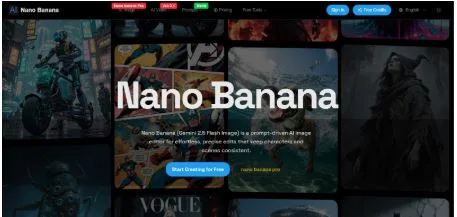
The media world is changing faster than ever before. From digital newsrooms to marketing agencies, from educators to independent creators, everyone is looking for smarter ways to create visual content. This is where an AI image and video generation platform is becoming a game changer. Instead of relying only on traditional design tools and long production cycles, modern media teams can now produce high-quality visuals in less time, with more flexibility, and at a much lower cost.
Artificial intelligence is no longer a futuristic idea. It is already deeply embedded in how content is created, edited, and distributed. In this article, we will explore how AI-powered image and video generation is reshaping modern media, why it matters, and how platforms offering ultra-fast editing and precise control are setting new standards for creative work.
Understanding AI Image and Video Generation
AI image and video generation refers to the use of advanced machine learning models to create or enhance visual content. These systems are trained on large datasets, allowing them to understand patterns, styles, lighting, motion, and composition. As a result, they can generate realistic images, animated scenes, or edited videos based on simple instructions.
In modern media, this technology is not about replacing creativity. Instead, it supports creators by handling repetitive or technical tasks. Designers can focus more on storytelling and ideas, while AI assists with execution. This balance is one of the main reasons AI tools are being widely adopted across industries.
The Growing Role of AI in Modern Media
Media consumption has increased across all digital platforms. Audiences expect fresh visuals, engaging videos, and consistent quality. Meeting these expectations manually can be challenging, especially for small teams or independent creators.
AI-driven platforms help media professionals keep up with demand. News outlets can generate visuals for breaking stories, marketers can create campaign assets quickly, and educators can design engaging learning materials without complex software. The speed and adaptability of AI tools make them especially valuable in fast-paced environments.
Faster Production Without Compromising Quality
One of the biggest advantages of AI-based platforms is speed. Traditional image or video editing often involves multiple steps, revisions, and coordination between teams. AI tools simplify this process by automating tasks like background removal, color correction, scene enhancement, and transitions.
With ultra-fast AI editing, creators can experiment freely. They can test different visual styles, layouts, or formats without starting from scratch each time. This flexibility leads to better results and more confident creative decisions, even under tight deadlines.
Precise Local Control for Creative Freedom
A common concern about AI-generated content is loss of control. Modern platforms address this by offering precise local control. This means creators can edit specific areas of an image or video instead of applying changes globally.
For example, a media professional can enhance lighting in one section of a frame while keeping the rest untouched. This level of control ensures that AI acts as an assistant, not a replacement. The creator remains in charge, shaping the final output according to their vision.
Local control is especially useful in modern media, where brand consistency and visual accuracy are critical. Small details often make a big difference, and AI tools are now advanced enough to respect those details.
Multi-Image Fusion for Rich Visual Storytelling
Modern storytelling often requires combining multiple visual elements into a single cohesive piece. Multi-image fusion allows creators to merge different images, styles, or perspectives seamlessly. This is particularly valuable in digital journalism, marketing, and educational content.
Instead of manually layering and adjusting visuals, AI can intelligently blend them while maintaining balance and realism. This opens new possibilities for creative expression and allows media professionals to communicate complex ideas more effectively.
AI Platforms Powered by Advanced Models
Behind the scenes, powerful AI models drive these platforms. Solutions like Nano Banana, powered by Gemini 2.5 Flash Image, highlight how far the technology has come. These models are designed for speed, accuracy, and flexibility, making them suitable for real-world media production.
By leveraging advanced AI, creators can generate visuals that feel polished and professional without requiring years of technical experience. This democratization of content creation is one of the most exciting developments in modern media.
Practical Use Cases Across Media Industries
AI image and video generation platforms are not limited to one field. Their applications are broad and growing:
- Digital marketing: Quickly create ad visuals, social media posts, and promotional videos.
- Journalism: Generate supporting visuals for articles and multimedia stories.
- Education: Design engaging learning materials and explainer videos.
- Corporate communication: Produce presentations, training videos, and internal content.
- Independent creators: Build personal brands with consistent, high-quality visuals.
In each case, AI helps reduce workload while improving creative output.
SEO and Content Strategy Benefits
From an SEO perspective, visuals play a major role in user engagement. Pages with relevant images and videos tend to perform better in search results because they keep users engaged longer. AI-generated visuals make it easier to support written content with custom media tailored to the topic.
An AI image and video generation platform allows content creators to align visuals closely with keywords, themes, and audience intent. This alignment improves overall content quality and helps build trust with readers.
Accessibility and Ease of Use
One of the strongest advantages of modern AI platforms is accessibility. Many tools are designed with user-friendly interfaces, allowing beginners and professionals alike to get started quickly. The option to start free also lowers the barrier to entry, encouraging experimentation and learning.
As more people gain access to powerful creative tools, the media landscape becomes more diverse and innovative. Voices that were previously limited by resources can now compete on a more equal level.
The Future of AI in Media Creation
Looking ahead, AI image and video generation will continue to evolve. We can expect even more realistic visuals, better customization, and deeper integration with content management systems. However, the human element will always remain essential.
AI works best when paired with human creativity, judgment, and storytelling skills. Together, they form a powerful combination that defines modern media production.
Final Thoughts
The rise of AI-powered tools marks a significant shift in how media content is created and shared. An AI image and video generation platform offers speed, precision, and creative flexibility that traditional methods struggle to match. With features like ultra-fast editing, local control, and multi-image fusion, these platforms are becoming essential tools for modern media professionals.
As technology continues to advance, those who embrace AI thoughtfully will be better positioned to create meaningful, engaging, and high-quality content. The future of media is not just automated, it is collaborative, where human creativity and intelligent tools work side by side.