What Building Inspections Cover Across Australian Properties
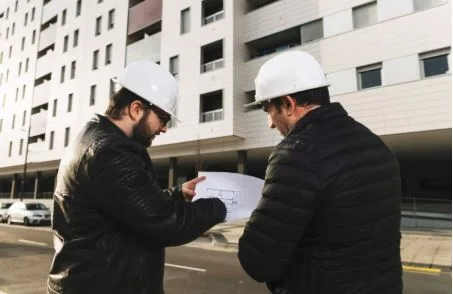
Buying, selling, or maintaining a property in Australia is a major decision, and one that shouldn’t be taken lightly. Buildings may look solid on the surface, but hidden issues can exist behind walls, under floors, or on rooftops. This is where professional building inspections play a critical role. A detailed inspection helps property owners and buyers understand the true condition of a building, avoid unexpected repair costs, and make informed decisions with confidence.
Across Australia, building inspections follow structured standards but can vary slightly depending on the property type, age, and location. Below is a clear, human-friendly breakdown of what building inspections typically cover across Australian properties and why each part matters.
Understanding Building Inspections in Australia
A building inspection is a visual assessment of a property’s condition, carried out by a qualified inspector. It focuses on identifying existing defects, safety concerns, and potential future maintenance issues. Inspections are commonly conducted before purchasing a home, but they’re also useful for property owners who want to stay ahead of costly repairs.
In cities like Sydney, Brisbane, Melbourne, and regional areas alike, inspections are designed to follow Australian Standards (AS 4349.1 for residential buildings). Reputable services such as sydneybuildingreports.com.au provide reports that are easy to understand while still being technically thorough.
Structural Integrity and Foundations
Footings and Foundations
One of the most critical areas of any inspection is the foundation. Inspectors look for signs of movement, cracking, or subsidence that could indicate structural instability. Minor cracks can be normal, especially in older homes, but significant or progressive cracking is a red flag.
Walls, Columns, and Load-Bearing Elements
Internal and external walls are assessed for cracking, bowing, or moisture damage. Load-bearing elements, including columns and beams, are checked to ensure they are structurally sound and not compromised by pests or water ingress.
Roofing and Drainage Systems
Roof Coverings and Structure
The roof is exposed to Australia’s harsh climate, from intense sun to heavy rain. Inspectors examine roof tiles, metal sheeting, flashing, and the overall roof structure. Loose tiles, rust, or sagging areas are documented, as these can lead to leaks or long-term damage.
Gutters, Downpipes, and Stormwater Flow
Effective drainage protects a building from water-related issues. Inspectors check whether gutters and downpipes are securely fixed, free from blockages, and directing water away from the property. Poor drainage can contribute to foundation movement and rising damp.
Interior Areas and Living Spaces
Floors, Ceilings, and Walls
Inside the property, inspectors look for uneven flooring, cracked ceilings, or signs of previous repairs. Timber floors may be checked for movement or pest damage, while concrete slabs are assessed for cracking patterns.
Doors and Windows
Doors and windows are tested to ensure they open and close properly. Sticking doors or jammed windows can sometimes indicate structural movement rather than simple wear and tear.
Moisture, Damp, and Ventilation Issues
Signs of Water Ingress
Moisture is one of the most common causes of building deterioration in Australia. Inspectors use visual checks and moisture meters to detect dampness in walls, bathrooms, kitchens, and basements. Mould, peeling paint, or swelling materials often point to ongoing moisture problems.
Ventilation and Airflow
Proper ventilation helps prevent condensation and improves indoor comfort. Inspectors note whether subfloor vents, bathroom exhausts, and roof ventilation are adequate and functioning as intended.
Plumbing Systems and Wet Areas
Bathrooms, Kitchens, and Laundries
Wet areas receive close attention due to their high risk of leaks. Inspectors look at waterproofing, visible pipework, drainage, and fixtures. Poorly sealed showers or deteriorating grout can lead to hidden damage behind walls.
Visible Plumbing Components
While building inspections are not full plumbing assessments, visible pipes, taps, and fittings are checked for leaks, corrosion, or improper installation.
Electrical Components and Safety Features
Electrical Installations
Inspectors identify visible electrical issues such as outdated switchboards, exposed wiring, or unsafe power points. Although a licensed electrician is required for detailed electrical testing, inspectors highlight concerns that may need further investigation.
Smoke Alarms and Safety Compliance
Smoke alarms are checked for presence and placement, as required by state regulations. In some regions, inspectors also note safety features like stair handrails and balustrades.
Pest Activity and Timber Condition
Termite and Pest Indicators
Australia is well known for termite activity, making pest-related checks essential. Inspectors look for visible signs such as mud tubes, damaged timber, or previous treatments. In many cases, a combined building and pest inspection is recommended.
Timber Deterioration
Timber components such as framing, decks, and pergolas are checked for rot, splitting, or insect damage. Early detection can prevent expensive repairs later on.
External Areas and Site Conditions
Driveways, Paths, and Fencing
External elements are assessed for cracking, movement, and safety risks. Uneven pathways or damaged fences may seem minor but can indicate soil movement or drainage problems.
Landscaping and Site Drainage
Inspectors observe how the land slopes around the building. Poor site drainage or garden beds built up against walls can increase the risk of moisture issues over time.
Special Considerations for Commercial and Older Properties
Commercial Buildings
Commercial properties often require broader inspections due to higher usage levels and compliance requirements. Inspections may include fire safety systems, access points, and structural load considerations, especially in older commercial spaces.
Heritage and Older Homes
Older Australian homes have unique charm, but they can also come with age-related issues. Inspectors take into account original materials, outdated construction methods, and previous renovations when assessing these properties.
Well-established inspection providers, including Tyrrells, are experienced in handling both modern and heritage properties, ensuring reports reflect real-world building conditions rather than generic checklists.
What Building Inspections Do Not Cover
It’s equally important to understand the limits of a building inspection. Inspectors do not move furniture, lift carpets, or damage the property to investigate concealed areas. Specialized assessments such as asbestos testing, detailed electrical testing, or engineering reports usually require separate experts.
Why a Building Inspection Is a Smart Investment
A professional building inspection offers peace of mind. For buyers, it can support price negotiations or prevent costly mistakes. For owners, it helps plan maintenance and protect long-term property value. Across Australia’s diverse property market, inspections provide clarity in a process that can otherwise feel uncertain.
By understanding exactly what building inspections cover, property owners and buyers can approach their next decision with confidence, knowing they have reliable information about the building they’re investing in.