Why Schools Are Choosing Modular Classrooms Today
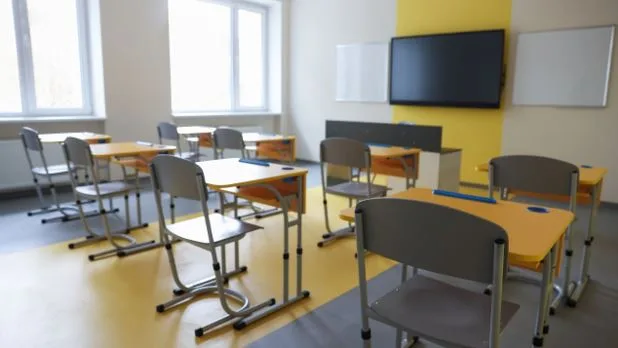
Schools across the country face a growing problem. Student numbers keep rising, but building new schools takes years. Meanwhile, kids need places to learn right now. This is where modular classrooms come in as a smart solution.
These portable learning spaces are changing how schools handle growth. They’re fast to set up, cost less than traditional buildings, and work just as well for teaching. Let’s look at why more schools are turning to this option.
What Makes These Classrooms Different
Traditional school buildings take a long time to build. First, you need permits. Then, construction can drag on for months or even years. However, modular options work differently.
Speed of Setup
A regular classroom addition might take 12 to 18 months. In contrast, modular classrooms can be ready in just weeks. They’re built in a factory while site work happens at the school. This means students get their new learning space much faster.
Lower Costs
Money matters for school budgets. Building a traditional classroom can cost $300 to $500 per square foot. On the other hand, modular options often run 20% to 30% less. This saves money that schools can use for books, technology, or teachers.
Quality Construction
Some people think portable means cheap. That’s not true anymore. Modern modular classrooms use the same materials as regular buildings. They meet all building codes and safety standards. In fact, they’re built in controlled factory settings where quality is easier to maintain.
Real Benefits for Students and Teachers
The best classroom is one that supports learning. These portable spaces do exactly that.
Comfortable Learning Environment
Today’s modular units come with full heating and cooling systems. They have proper insulation and good lighting. Students can’t tell the difference between these and traditional rooms. Moreover, they often feel newer and cleaner than old school buildings.
Modern Features
Technology integration is easy in these spaces. They come wired for internet, computers, and smart boards. Additionally, schools can customize them for special needs. Want a science lab? No problem. Need a music room? That works too.
Flexibility for Growth
School populations change over time. Sometimes enrollment jumps up. Other times, it drops. Therefore, modular units give schools flexibility. You can add them when needed. Later, you can remove or relocate them if numbers fall.
When Schools Need This Solution
Several situations make modular classrooms the right choice.
Sudden Enrollment Spikes
A new housing development opens nearby. Suddenly, 200 more kids need school seats. Traditional construction can’t keep up. However, modular units can be on-site within two months.
Renovation Projects
Old schools need updates. But where do students go during construction? Temporary modular spaces solve this problem. Students keep learning while workers fix the main building. Furthermore, these units can stay as long as needed.
Testing New Programs
Schools sometimes want to try new programs. Maybe it’s a STEM lab or an art studio. Instead of building permanent space right away, they can test the program in a modular unit first. This reduces risk and costs.
Budget Constraints
Not every district has millions for new buildings. Even so, students still need quality classrooms. Modular options let schools grow within tight budgets. They deliver good value without breaking the bank.
Planning for Success
Getting the most from these classrooms takes some planning.
Site Preparation
The school needs a level area with utilities nearby. Although the building arrives ready to use, it still needs water, power, and sewer connections. Planning this ahead prevents delays.
Local Regulations
Check local zoning rules early. Most areas allow temporary buildings on school grounds. Still, permits take time to process. Starting early keeps the project on schedule.
Long-Term Thinking
Think about how long you’ll need the space. Some modular classrooms work great for five years. Others can last twenty or more. Knowing your timeline helps you choose the right type.
Common Concerns Addressed
People often have questions about these buildings.
Are They Really Temporary?
That depends on what you need. Some schools use them for just a year or two. Others keep them for decades. The buildings themselves can last as long as traditional construction.
What About Appearance?
Modern units look professional and attractive. They don’t look like old-style trailers. In addition, schools can add landscaping, walkways, and other features to make them blend in.
Do They Hold Their Value?
Yes. Well-maintained modular classrooms can be sold or moved to other locations. This gives schools options down the road. Also, it means the initial investment isn’t a total loss if needs change.
Making the Right Choice
Every school’s situation is unique. These portable units work great for many needs, but not all. Think about your specific requirements.
Consider how fast you need space. Look at your budget honestly. Think about whether your needs might change in five or ten years. All these factors matter.
Talk to other schools that use modular classrooms. Ask about their experience. Find out what worked and what didn’t. This real-world input proves valuable.
Looking Ahead
School facility planning keeps evolving. As enrollment patterns shift and budgets stay tight, flexible solutions become more important. Modular construction technology also keeps improving.
Today’s units are better than ever. They’re more energy-efficient, better looking, and more durable. Tomorrow’s versions will likely be even better.
For schools facing space challenges, modular options offer a practical path forward. They deliver quality learning spaces quickly and affordably. Most importantly, they help ensure every student has a proper place to learn and grow.