The 2026 Boston Moving Playbook: Real Costs, Parking Permits, and a Timeline That Prevents Last Minute Chaos
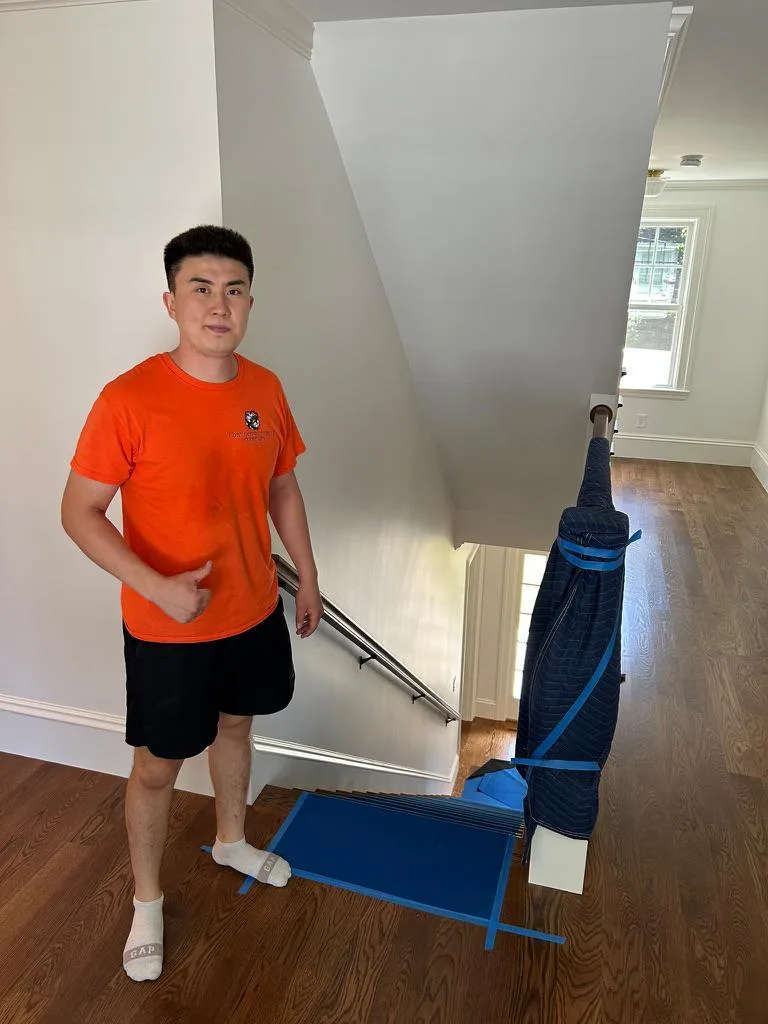
Moving in Boston is not hard because of distance. It is hard because of logistics. Narrow streets, scarce parking, triple deckers with tight stairwells, elevator reservations, and busy weekends can turn a simple relocation into an expensive delay.
This guide breaks down what Boston moves actually cost in 2026, how the City of Boston moving truck permit works, and how to plan a move week by week. You will also see a practical case study with real math so you can build a realistic budget.
Boston moving costs in 2026: the numbers most people should budget around
Most local moves are priced by time and crew size. A common baseline for Boston is a two to three person crew plus a truck billed hourly, then adjusted for access conditions like stairs, long carries, and heavy items. Industry pricing varies, but local sources and published Massachusetts mover tariffs show hourly totals in the ballpark many residents see when requesting quotes.
Typical local cost ranges by home size
| Home size | Common local total range (labor and truck) | Typical time window |
| Studio | $200 to $400 | 2 to 4 hours |
| 1 bedroom | $300 to $600 | 3 to 5 hours |
| 2 bedroom | $700 to $1,400 | 5 to 7 hours |
| 3 bedroom | $1,000 to $2,000 | 6 to 9 hours |
These ranges typically cover labor and truck time for standard local moves. They often do not include packing labor, specialty crating, long carry surcharges, or complex access issues. Summer weekends and end of month dates can also price higher than quieter weeks in winter and early spring.
Hourly rate reality check
To show what hourly pricing looks like in Massachusetts, some published 2025 tariffs list examples like a truck with two movers at about $190 per hour during regular hours, plus an additional mover line item (often around $75 per hour) if a three person crew is needed. Overtime rates can be significantly higher.
The point is not that every mover charges exactly these numbers. The point is that Boston area labor and truck time is commonly priced in a range where a small increase in hours changes the total bill quickly. That is why planning and access logistics matter.
The Boston moving truck permit: what it costs and when to apply
If you need curb space for a moving truck in Boston, the city permit process can save you from tickets, blocked loading, and last minute improvisation. The City of Boston notes that online applications should be submitted at least two weeks before your moving date, and typical fees often fall in a range of about $69 to $109 depending on the permit details.
For a practical example, the City of Boston explains that reserving two metered spaces for one day can add up to about $110, including the base fee, signage, and meter costs. Your total can differ based on the exact space, duration, and curb conditions, but the example shows why residents should include permits in the budget.
How to avoid permit problems
- Apply early if your move date is within the two week window.
- Confirm the exact address range, not just the building number. In dense neighborhoods, the wrong curb segment can invalidate the plan.
- Post signs correctly and take timestamped photos after placement.
- Coordinate building rules such as elevator reservations and move in windows.
Timing matters in Boston: a practical schedule that reduces cost and stress
Most moving mistakes happen because tasks are compressed into the last 72 hours. Use this planning timeline to keep the move predictable.
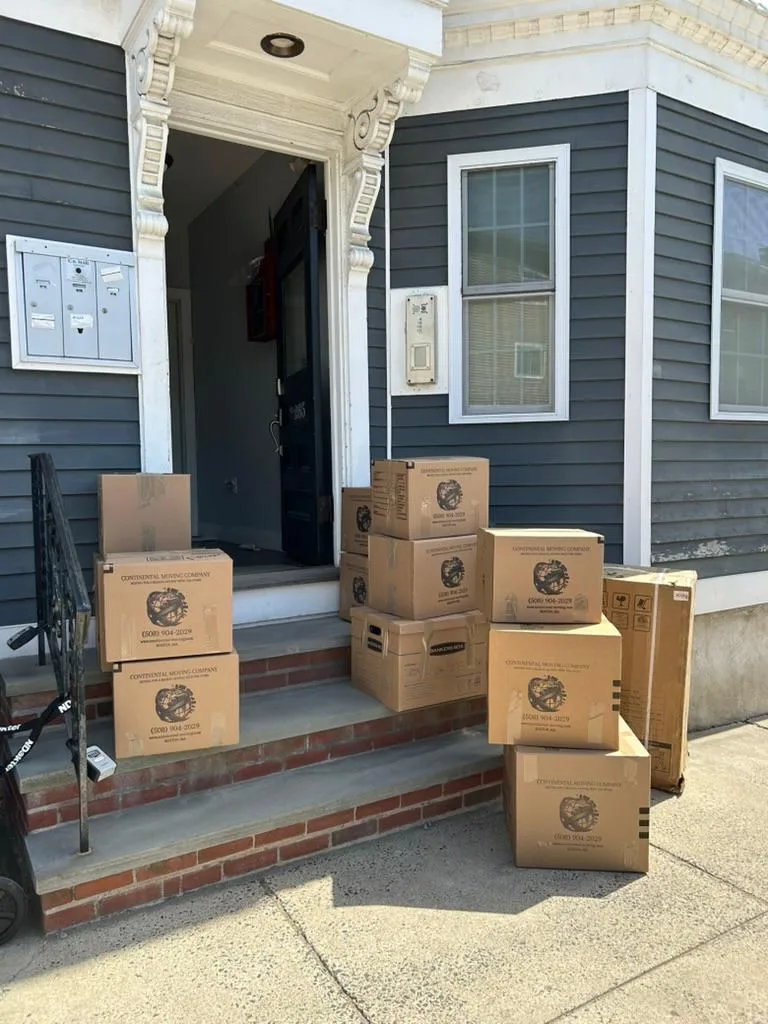
Two to four weeks before
- Choose your move date. Avoid end of month if flexibility exists.
- Request estimates with clear access notes: stairs, elevator, parking, long carry, loading dock rules.
- Start decluttering. Every ten boxes removed reduces handling time.
- If you are moving within Boston, decide if you need a city parking permit and submit the application early.
Seven to ten days before
- Confirm building elevator booking and certificate of insurance requirements if the building needs it.
- Pack non essentials first: seasonal items, books, decor, extra kitchen gear.
- Label boxes by room and priority: Open First, Week One, Storage.
- Measure large furniture and stair turns. Tight corners are a major cause of delays.
Three days before
- Finish fragile packing, set aside valuables you transport personally.
- Disassemble bed frames if needed. Put hardware in labeled bags taped to the frame.
- Confirm curb access and signage placement for permitted parking.
Moving day
- Create a clear path: doors propped, rugs rolled, hallway protected if required.
- Keep a essentials bag: medications, chargers, documents, water, snacks, basic tools.
- Do a final walkthrough: closets, cabinets, bathroom vanity, balcony storage.
Case study: a realistic Boston move with real math
This is a composite example based on published Boston area cost ranges, City of Boston permit fees, and typical moving variables. Your actual total will vary by inventory, access, and timing, but the math below shows how the budget forms.
Scenario: A two bedroom apartment move from South Boston to Brookline. Three person crew needed due to stairs and a long carry at the destination. Estimated on site time is six hours including loading and unloading. The origin requires a City of Boston moving truck permit for two metered spaces.
Budget build
- Labor and truck time: Example market pricing from Massachusetts tariffs shows truck plus two movers around $190 per hour during regular hours. For six hours that is about $1,140.
- Third mover time: Example tariff line items list an additional mover around $75 per hour. For six hours that is about $450.
- City permit and signage: The City of Boston example for two metered spaces for one day is about $110.
- Supplies: Tape, stretch wrap, mattress bags, and floor protection can add about $50 to $150 depending on what is needed and what you already have.
Estimated total in this example: about $1,750 to $1,850 before optional add ons such as full packing labor, specialty items, or storage.
What saved money in the case study
- Applying for the curb permit early so the truck could load without waiting.
- Having furniture pre disassembled to avoid on site delays.
- Pre staging boxes in one room so the crew could run a clean, fast path.
What would increase the total
- Multiple flights of narrow stairs and a long carry at both ends.
- Elevator delays or strict building move in windows that force idle time.
- Heavy items like a large safe, treadmill, or oversized sectional requiring extra handling.
- Peak season timing such as summer weekends or end of month dates.

Consumer protections: what to know if your move is long distance
If you are moving across state lines, your move is generally regulated under federal rules for household goods carriers. The Federal Motor Carrier Safety Administration explains that under a nonbinding estimate, the mover cannot require you to pay more than 110 percent of the estimate at the time of delivery. That does not eliminate all surprises, but it is a key protection worth understanding before signing paperwork.
Ask whether your estimate is binding or nonbinding, and request a clear list of services and accessorial charges so you can compare quotes properly.
How to choose a mover in Boston without guessing
Price matters, but in Boston the best cost control often comes from better planning and clearer scope. Use this checklist when comparing options.
- Access accuracy: Did the quote account for stairs, long carry, elevator rules, and parking limitations?
- Scheduling clarity: Is your move a fixed start time or a window? Ask what happens if the prior job runs late.
- Protection and tools: Do they use proper pads, wrap, floor protection, and dollies for tight urban moves?
- Insurance and valuation: Confirm what coverage is included and what upgrades exist for higher value items.
- Permit coordination: Will they help you understand the City of Boston permit process if you need curb space?
Where Continental Moving fits
If you want a Boston based team that understands tight street logistics, building rules, and long carry realities, start with a mover that works in these neighborhoods every week. Continental Moving is based in South Boston and handles local, long distance, and commercial moves.
For homeowners and renters comparing boston moving companies, the fastest way to reduce cost is to request an estimate with accurate access details and confirm whether you need a City of Boston moving truck permit.
Company Information
Continental Moving
132 Emerson St, South Boston, MA 02127
Phone: 508-904-2029
Email: [email protected]