Building Trust in Healthcare Through Accurate and Ethical Radiology Practices
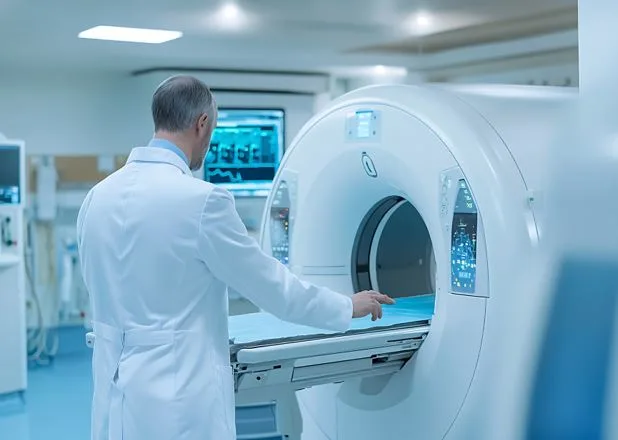
Accurate imaging plays an important role in most of the important healthcare decisions. A scan can confirm a diagnosis, change a treatment plan, or give reassurance when symptoms are worrying.
Building trust in healthcare through accurate and ethical radiology practices, therefore, depends on both technical excellence and professional conduct. Patients may not know the difference between imaging modalities, but they do notice when processes feel careful, explanations are clear, and results are handled responsibly.
Trust is also shaped by what clinicians experience. Referring doctors rely on reports that are consistent, clinically useful, and delivered within an expected timeframe. When radiology services repeatedly meet these expectations, confidence grows. When they do not, clinicians may repeat tests, delay decisions, or seek second opinions, all of which affect patient care.
What Accuracy Involves
Accuracy is not limited to a radiologist’s final impression. It begins earlier, at the point where the right test is selected and performed properly. A technically perfect scan of the wrong body part, or performed for the wrong clinical question, still fails the patient.
In day-to-day practice, accuracy is strengthened by:
- Using referral information that clearly states symptoms, duration, and the clinical question
- Matching the exam to the indication (and avoiding tests that will not change management)
- Standardising protocols so similar cases are imaged in a consistent way
- Checking patient identity and laterality before the scan begins
- Ensuring image quality is sufficient before the patient leaves the department
Radiologists also support accuracy when they state limitations openly. For example, motion artefact, incomplete clinical history, or early-stage disease can reduce certainty. It is better to document uncertainty and suggest next steps than to present a doubtful finding as definitive.
Ethical Radiology As A Practical Discipline
Ethics in radiology is often discussed in broad terms, but it shows up in specific choices. Those choices affect patient dignity, privacy, fairness, and safety. Ethical practice generally includes:
- Clear consent processes, especially when contrast is used, or an invasive procedure is planned
- Protecting confidentiality in reporting, image sharing, and staff access to records
- Avoiding unnecessary radiation, particularly in children and in repeat follow-ups
- Supporting equitable access and respectful care across language, gender, and disability needs
- Declaring and managing conflicts of interest related to referrals or commercial arrangements
A report that uses ambiguous wording without guidance can lead to confusion or over-treatment. If a finding is incidental and likely benign, the language should reduce harm, not create panic, while still recommending appropriate follow-up when needed.
Safety: Radiation, Contrast, And Patient Preparation
Many patients judge a radiology service by how safe and attentive it feels. Safety protocols also reduce adverse events and prevent repeat examinations.
Strong safety routines typically cover:
- Dose optimisation with documented parameters for modalities that use ionising radiation
- Pregnancy screening policies where relevant and clearly applied
- Contrast safety screening for allergy history and kidney-related risk factors
- Monitoring and preparedness for contrast reactions, including emergency protocols
- Pre-scan instructions that reduce cancellations and poor-quality scans (fasting, hydration, metal removal)
It is also worth noting that safety is not only clinical. Proper infection control, clean equipment contact surfaces, and careful scheduling for vulnerable patients contribute to trust in a direct and visible way.
Quality Systems That Make Outcomes Consistent
Patients often assume the result depends on one person reading an image. In reality, reliable radiology services function as systems: they reduce variability, encourage second checks, and learn from discrepancies without blame. Common quality practices include:
- Peer review programs that examine a sample of reports for discrepancies and learning points
- Double reading in targeted areas (complex CT, oncology follow-up, select screening work)
- Protocol audits to confirm that the right sequences and planes are being used
- Equipment quality checks, calibration, and preventive maintenance
- Regular reviews of report turnaround times for routine and urgent cases
A useful internal measure is not only “speed,” but whether the reporting timeline matches clinical need. Some scans are urgent because a delay changes care; others can wait without harm. A mature service designs its workflow around this difference.
Conclusion
Trust in radiology grows when accuracy is supported by disciplined systems, ethical choices are consistent, and communication remains clear at every step. Vijaya Diagnostic Centre is one provider that highlights structured diagnostics and patient-focused processes in its services.