How Airlines Decide If You Can Board a Flight to Iraq — Visa Checks Explained
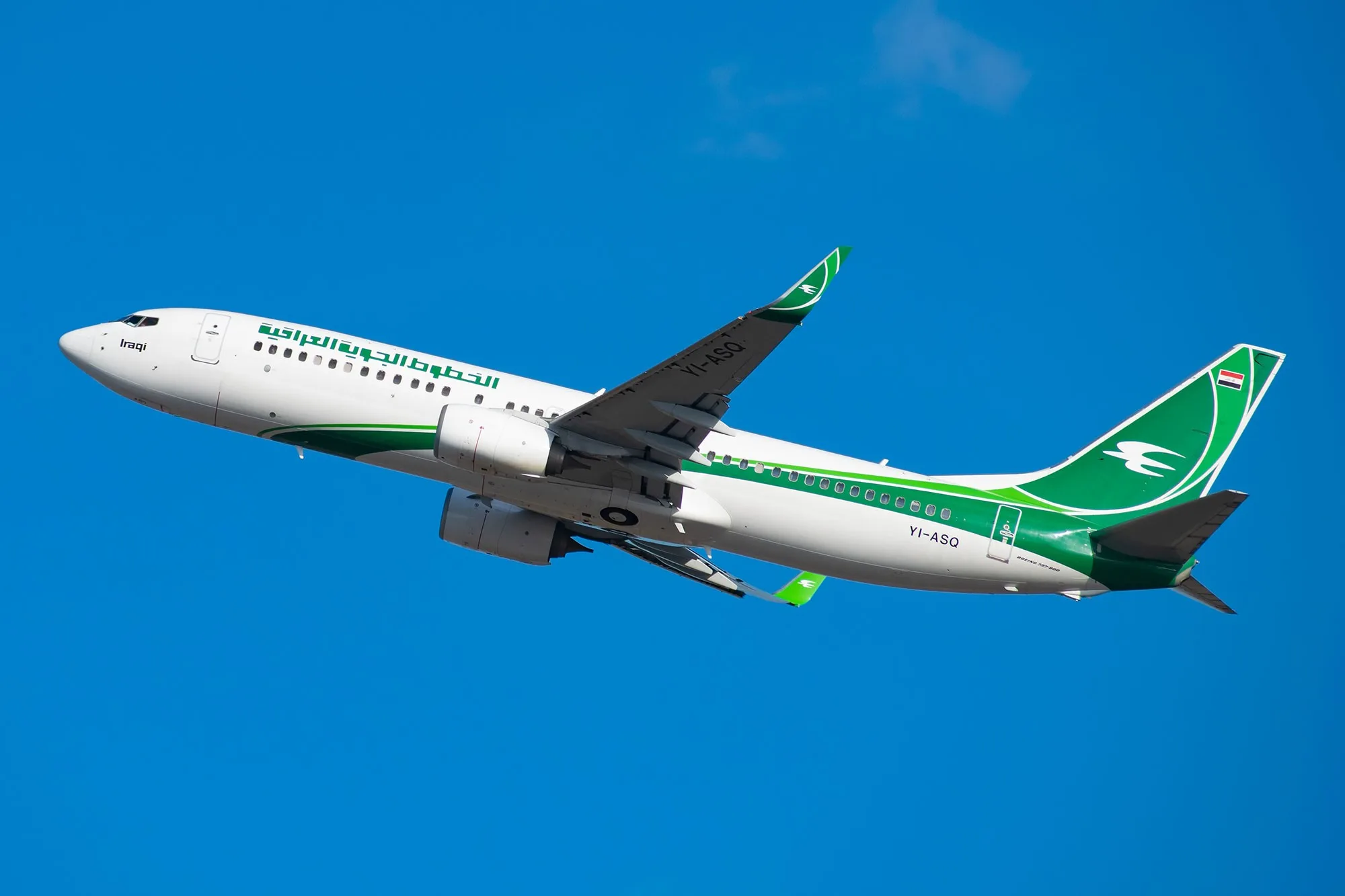
Many travelers believe visa checks occur only at immigration counters. In reality, the most critical decision is often made before boarding the aircraft. Airlines are legally responsible for transporting only passengers who meet Iraq’s entry requirements. As a result, they conduct strict visa verification checks at check-in and boarding gates.
Before issuing a boarding pass, airlines typically verify:
- Visa type and validity period
- Nationality eligibility
- Entry point compatibility
- Consistency between passport data and visa records
If any element appears unclear or unverifiable, boarding may be denied — even if the traveler believes their visa is valid.
A common issue is reliance on incomplete confirmations, screenshots, or applications still marked as “processing.” Airlines generally require a fully issued and verifiable visa document. If confirmation cannot be validated through their systems, the passenger may not be allowed to travel.
Timing errors are another frequent problem. Applying too early may cause a visa to expire before entry, while applying too late may leave the application pending on the day of travel. Airlines do not assess intent or explanations; their decision is strictly compliance-based.
Services such as www.evisairaq.com are designed with airline verification standards in mind. Applications are structured to align visa validity with travel dates and produce clear, verifiable documentation suitable for airline checks.
For travelers, the key takeaway is simple: visa issues cannot be resolved at the boarding gate. Proper preparation and accurate submission before travel are the only reliable safeguards.