Dark Circle Treatment: Effective Solutions for Brighter, Healthier Eyes
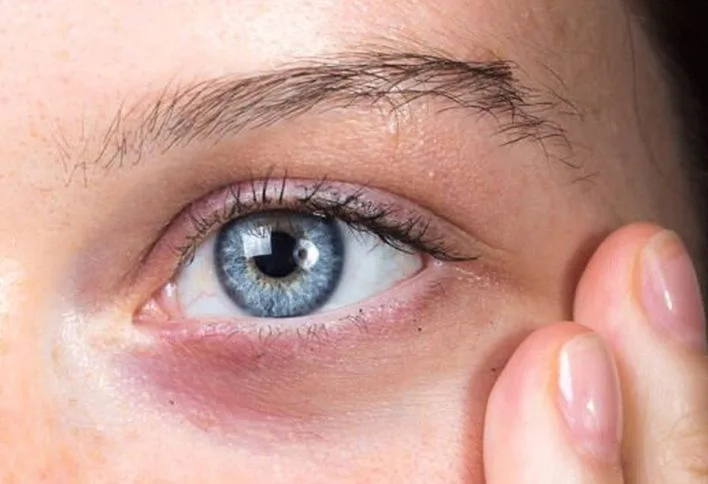
Dark circles under the eyes are one of the most common cosmetic concerns affecting people of all ages. They can make you look tired, stressed, older, and less healthy—even when you feel perfectly fine. While dark circles are not usually a medical problem, they can have a significant impact on self-confidence and appearance. Fortunately, modern dark circle treatment options range from simple home remedies to advanced clinical procedures, making it possible to reduce their appearance effectively and safely.
This article explores the causes of dark circles, different types of pigmentation, and the most effective treatment methods available today, helping you choose the right approach for brighter, healthier-looking eyes.
Understanding the Causes of Dark Circles
Dark circles are not all the same. Identifying the cause is essential for choosing the right treatment.
- Genetics
Some people are genetically predisposed to thin under-eye skin or higher pigmentation, making dark circles more visible from a young age.
- Lack of Sleep
Sleep deprivation causes blood vessels under the thin eye skin to dilate, creating a darker appearance.
- Dehydration
Dehydrated skin looks dull and sunken, making dark circles more prominent.
- Hyperpigmentation
Excess melanin production can cause brown or dark pigmentation around the eyes, especially in people with darker skin tones.
- Aging
As we age, collagen production decreases, thinning the skin and making blood vessels more visible.
- Lifestyle Factors
Smoking, alcohol consumption, stress, excessive screen time, and sun exposure all contribute to under-eye darkness.
Understanding whether your dark circles are caused by pigmentation, vascular issues, structural hollowing, or lifestyle factors helps determine the most effective dark circle treatment plan.
Types of Dark Circles
Dark circles can generally be grouped into four categories:
- Pigmented dark circles – brown or dark patches due to melanin
- Vascular dark circles – bluish or purplish tones from visible blood vessels
- Structural dark circles – shadows caused by tear trough hollows
- Mixed dark circles – a combination of two or more causes
Each type requires a different treatment approach for best results.
Home-Based Dark Circle Treatments
For mild to moderate dark circles, home care can make a noticeable difference.
- Proper Sleep Routine
Consistent 7–9 hours of quality sleep reduces vascular congestion and improves skin repair.
- Hydration
Drinking enough water keeps the skin plump and healthy, reducing dullness and shadows.
- Cold Compress
Cold spoons, ice packs, or chilled eye masks reduce blood vessel dilation and puffiness.
- Sun Protection
Sunscreen and sunglasses prevent UV-induced pigmentation around the eyes.
- Topical Skincare
Effective ingredients include:
- Vitamin C (brightening)
- Retinol (collagen stimulation)
- Niacinamide (skin barrier repair)
- Hyaluronic acid (hydration)
- Caffeine (reduces puffiness)
These methods form the foundation of any long-term dark circle treatment strategy.
Clinical Dark Circle Treatment Options
For persistent or severe dark circles, professional treatments provide more visible and faster results.
- Chemical Peels
Mild peels help reduce pigmentation and improve skin texture around the eyes.
- Laser Treatment
Laser therapy targets pigmentation and vascular issues while stimulating collagen production for thicker, healthier skin.
- Microneedling
Microneedling improves collagen production and enhances skin regeneration, reducing dark circles caused by thinning skin.
- Dermal Fillers
Hyaluronic acid fillers are used to treat tear trough hollows, reducing shadowing under the eyes.
- PRP (Platelet-Rich Plasma) Therapy
PRP improves skin quality, pigmentation, and collagen naturally using the patient’s own blood components.
These advanced options are often combined for comprehensive dark circle treatment plans.
Choosing the Right Dark Circle Treatment
There is no one-size-fits-all solution. The best treatment depends on:
- Skin type
- Cause of dark circles
- Age
- Lifestyle habits
- Budget
- Desired results
A proper assessment by a qualified skincare professional or aesthetic practitioner ensures a personalized and safe treatment plan.
How Long Does It Take to See Results?
Results vary depending on the method used:
- Home care: 4–8 weeks for visible improvement
- Topical treatments: 6–12 weeks
- Laser and clinical treatments: noticeable improvement within 1–3 sessions
- Fillers: immediate results
Consistency is key. Dark circle treatment is usually a gradual process, not an overnight fix.
Prevention: The Long-Term Strategy
Preventing dark circles is just as important as treating them. Long-term prevention includes:
- Healthy sleep habits
- Balanced diet
- Stress management
- Regular skincare routine
- Sun protection
- Proper hydration
Prevention reduces the need for aggressive treatments in the future and maintains youthful under-eye skin.
Emotional and Psychological Impact
Dark circles don’t just affect appearance—they affect confidence. Many people feel self-conscious, avoid makeup-free looks, and feel perceived as tired or unhealthy. Effective dark circle treatment improves not only physical appearance but also emotional well-being and self-esteem.
Final Thoughts
Dark circles are a common concern, but they are not permanent or untreatable. With the right understanding of their causes and access to modern dark circle treatment options, it is possible to achieve brighter, healthier, and more youthful-looking eyes.
From simple lifestyle changes and skincare routines to advanced clinical procedures, there are solutions for every level of severity and every budget. The key is consistency, correct diagnosis, and a personalized treatment approach.
Investing in dark circle treatment is not just about beauty—it is about confidence, self-care, and overall well-being. With the right strategy, you can restore freshness to your eyes and project the healthy, vibrant appearance you truly feel inside.