Why Backcountry Skiers Pay Close Attention to the News
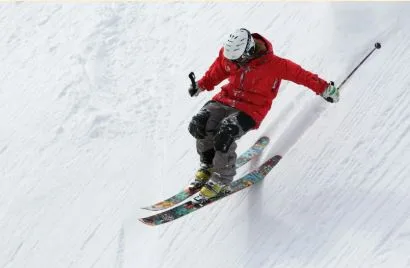
Backcountry skiing exists far beyond groomed runs, yet it remains closely tied to public information and reporting. Each season, skiers rely on daily updates about snowpack, weather systems, and incidents that shape how they approach terrain. News does not replace experience, but it provides context that helps skiers make informed decisions before stepping into uncontrolled environments.
Mountain conditions change quickly, and the consequences of poor judgment often appear in public reports. Avalanche bulletins, rescue summaries, and regional safety updates have become essential reading for backcountry travelers. These reports turn individual incidents into shared lessons that help others avoid similar outcomes.
How News Reporting Influences Backcountry Decisions
Backcountry skiers increasingly treat news as part of trip planning. Daily reports shape expectations, highlight emerging risks, and reinforce caution when conditions deteriorate. The gayaone helps readers follow broader safety developments that connect local mountain incidents with wider trends in outdoor risk awareness. This flow of information supports more grounded choices before leaving the trailhead.
Key types of news that affect backcountry travel include:
- avalanche forecasts that outline current hazard levels and problem areas;
- incident reports that explain what went wrong and why;
- weather advisories that signal rapid condition changes;
- access updates that affect roads, parking, and entry points.
After a tour, skiers often return to these reports to compare expectations with reality. This habit strengthens learning and builds respect for how quickly conditions evolve across regions. It also helps skiers identify moments where decisions aligned well with conditions or where caution could have increased safety. Over time, this reflection turns individual experiences into practical knowledge that supports better judgment on future trips.
Why Incident Reports Matter to the Backcountry Community
Public reporting on accidents plays a vital role in backcountry safety culture. These stories do not aim to assign blame. They document decisions, conditions, and outcomes so others can learn. When skiers read about incidents, they gain insight into patterns that repeat season after season.
Many reports reveal familiar issues: late starts, overlooked weather shifts, group pressure, or incomplete planning. Seeing these factors described in real scenarios reinforces the importance of preparation. News turns abstract risk into a concrete reality, which influences behavior more effectively than theory alone.
Local news also strengthens accountability. When incidents occur close to home, they feel relevant and immediate. Skiers recognize terrain, weather patterns, and access points, which makes the lessons harder to dismiss. This local connection encourages more conservative decision-making.
The Role of Responsible Reporting in Outdoor Safety
Accurate news coverage supports safer backcountry travel when it focuses on facts rather than drama. Clear descriptions of terrain, conditions, and timing help readers understand cause and effect. Emotional language, on the other hand, obscures lessons and shifts attention away from decision-making.
Responsible reporting respects both the seriousness of incidents and the experience of the community. It avoids speculation and centers on verified details. This approach builds trust and keeps skiers engaged with information that can genuinely improve safety.
News outlets that cover outdoor activity also influence public perception. Balanced reporting helps non-skiers understand the realities of backcountry travel without exaggeration. This understanding supports continued access and responsible policy decisions.
How Regional News Strengthens Backcountry Awareness
Regional news coverage plays a direct role in how backcountry skiers assess risk. Reports on recent avalanche activity, access closures, or rescue operations provide location-specific insight that national summaries often miss. When skiers recognize familiar terrain in these updates, the information feels immediate and actionable.
This localized reporting also helps identify patterns across a season. Repeated incidents in similar terrain or weather conditions highlight persistent risks that may otherwise go unnoticed. By following regional news, skiers gain a clearer picture of how conditions evolve, which supports more cautious planning and better route selection.
Local updates also reinforce community responsibility. Accurate reporting encourages discussion, shared learning, and respect for the realities of backcountry travel, helping skiers make decisions that protect both themselves and others.
Staying Informed As Part of Backcountry Skill
Following relevant news has become a core backcountry skill. Skiers who track forecasts, advisories, and reports develop a broader understanding of seasonal trends. Over time, this awareness sharpens judgment and improves timing and route selection.
Information alone does not guarantee safety. It must combine with field observation, communication, and restraint. News provides the framework; experience fills in the details. Together, they support decisions grounded in reality rather than assumptions.
Reliable reporting also encourages reflection. Reading about incidents after returning home helps skiers analyze their own choices. This process turns every tour into part of a larger learning cycle shared across the community.
Backcountry skiing thrives when preparation includes awareness of current conditions and public reporting. Gaya One delivers structured news coverage that helps readers connect outdoor activity with real-world developments and safety insights. If you want to stay informed and approach your backcountry trips with stronger context and confidence, explore Gaya One and make informed decision-making part of every tour.