What Happens to Your Life Insurance When You Retire From Federal Service
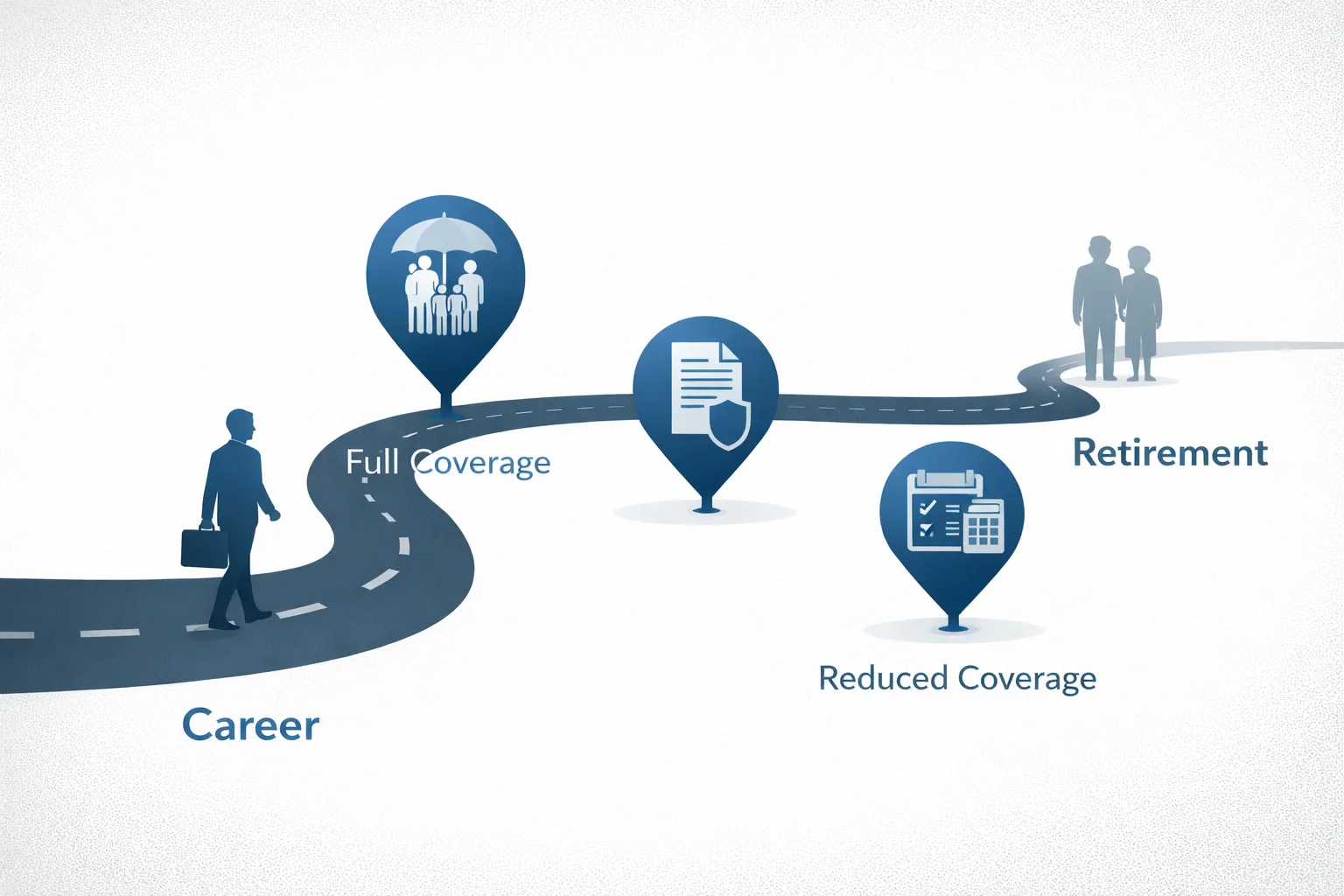
Retirement from federal service marks a significant transition in your career and personal life. Along with changes to your health insurance, pension, and daily routine, your life insurance coverage also undergoes important modifications. Understanding what happens to your Federal Employees’ Group Life Insurance (FEGLI) when you retire can help you make informed decisions that protect your family’s financial future.
Understanding FEGLI Coverage During Your Career
Throughout your federal career, you’ve likely been enrolled in FEGLI, the largest group life insurance program in the world. This program offers Basic life insurance coverage, which is generally equal to your annual salary rounded to the next thousand, plus $2,000. Many employees also elect Optional coverage, including Option A (Standard), Option B (Additional), and Option C (Family).
While actively employed, these premiums are deducted automatically from your paycheck. The government contributes to the cost of Basic coverage, making it an affordable benefit during your working years. However, the landscape changes considerably once you enter retirement.
What Changes at Retirement
When you retire from federal service, your FEGLI coverage doesn’t automatically disappear. Instead, you have several options for continuing your coverage into retirement. The choices you make during your retirement process will affect both your coverage amount and the premiums you pay for the rest of your life.
One crucial point to understand is that you must be enrolled in FEGLI for at least five years immediately before retirement (or since your first opportunity to enroll, if that’s less than five years) to continue your coverage into retirement. If you’ve canceled your coverage or haven’t maintained it for this period, you won’t be able to carry it into retirement.
Your Coverage Options at Retirement
Full Reduction Option
Under this option, your Basic and Optional B coverage reduces by 2 percent per month after you turn 65 (or after retirement if you retire after 65) until it reaches 25 percent of the original amount. There are no premiums for Basic coverage after the reduction is complete. However, you continue paying premiums for Option A, Option B, and Option C if you have those coverages.
50 Percent Reduction Option
This choice reduces your Basic and Optional B coverage by 1 percent per month after age 65 (or retirement if later) until it reaches 50 percent of the original amount. You’ll pay premiums for 50 percent of your Basic coverage throughout retirement, along with any Optional coverage you maintain.
No Reduction Option
You can elect to keep your full coverage amount into retirement, but this comes with higher premiums since the government no longer contributes to your Basic coverage. All premiums become your responsibility, and they’re deducted from your monthly annuity payment.
The 75 Percent Option
Many postal workers and federal retirees aren’t aware of another choice: canceling Option B coverage entirely and maintaining 75 percent of their Basic coverage with no premium cost. This option can be particularly attractive if you’ve determined you no longer need the higher coverage amounts that Option B provides.
Age and Premium Considerations
As you age, life insurance premiums naturally increase, reflecting higher actuarial risk. For retirees who choose the No Reduction option or maintain Optional coverages, these premium increases continue. Option B premiums, in particular, can become quite expensive in retirement since they increase every five years based on your age bracket.
Before finalizing your retirement, it’s worth calculating what your premiums will be under each scenario. Your human resources office can provide illustrations showing your coverage amounts and costs under different elections.
Making Your Election
You typically make your FEGLI election at retirement using Form SF-2818. This form must be submitted to your employing office before your retirement date. The decision is significant because, in most cases, you cannot change your election after retirement. There are limited exceptions, such as during Open Season or qualifying life events, but these opportunities are rare.
Alternative Coverage Considerations
Some retirees find that their insurance needs change significantly after leaving federal service. Your mortgage may be paid off, your children may be financially independent, and your spouse might have their own retirement income. In such situations, maintaining high levels of coverage may not be necessary.
Understanding postal employee life insurance options becomes particularly important during the transition to retirement. While FEGLI provides valuable coverage, comparing it with private market options or determining if you need supplemental coverage requires careful analysis of your personal situation.
Spousal and Dependent Coverage
If you’ve maintained Option C (Family coverage), you can continue this coverage into retirement. Option C provides coverage for your spouse and eligible dependent children. The premiums for Option C continue throughout retirement if you choose to keep this coverage.
It’s important to review whether this coverage still meets your needs. Your spouse may have their own coverage through employment or retirement, and your children may no longer qualify as dependents.
Tax Implications
FEGLI premiums in retirement are paid with after-tax dollars since they’re deducted from your annuity payment. The death benefit paid to your beneficiaries, however, is generally income tax-free. Understanding these tax considerations helps you evaluate the true cost of maintaining coverage.
Planning Ahead
The most important step you can take is to review your life insurance needs well before your retirement date. Consider factors such as outstanding debts, income replacement needs for your spouse, final expenses, and estate planning goals.
Meet with your human resources specialist at least a year before retirement to discuss your options. They can provide personalized illustrations and explain how each choice affects your specific situation. Many postal districts also offer retirement planning seminars that cover FEGLI in detail.
A Long-Term Perspective on Federal Life Insurance
Your life insurance coverage represents an important component of your overall retirement planning. The decisions you make about FEGLI at retirement will affect your financial security and that of your beneficiaries for years to come. Taking time to understand your options, calculating the costs, and aligning your coverage with your actual needs ensures that you make choices you can live with throughout your retirement.
While FEGLI offers convenience and guaranteed issue coverage, it’s just one piece of your financial puzzle. Evaluating your complete insurance picture—including any private policies, survivor annuity benefits, and savings—provides the clearest view of whether your loved ones will be adequately protected.