How Refrigerator Air and Water Filters Function: Pros, Cons and Tips
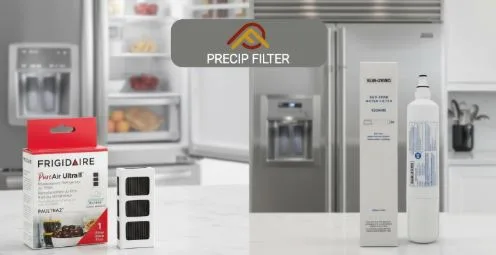
Modern refrigerators do more than just keep food cold. They also help improve the quality of the water you drink and the air inside the fridge. Refrigerator air and water filters play a major role in keeping food fresh, ice clean, and water safe.
Many people focus only on water filters, but air filters are just as important. While water filters clean drinking water and ice, air filters remove odors and slow the growth of bacteria inside the fridge. Together, they help maintain a healthier and more pleasant kitchen environment.
This article explains how refrigerator air and water filters work, their benefits, and their limitations. Understanding both filters will help you maintain your refrigerator properly and make better buying decisions.
How Refrigerator Water Filters Work
Water Filtration Process
Water enters the refrigerator through the supply line and flows into the water filter. Inside the filter, water passes through layers that trap impurities and reduce chemicals that affect taste and safety.
The filter allows water to flow at a controlled speed. This gives enough time for contaminants to stick to the filter media. As the filter fills with trapped matter, water flow may slow, which signals that replacement is needed.
Materials Used in Water Filters
Most refrigerator water filters use activated carbon as the main cleaning material. Carbon has tiny pores that attract chlorine, odors, and many harmful chemicals.
Some filters use a carbon block, which is tightly packed and removes finer particles. Others use granular activated carbon, which allows faster flow but may filter slightly less.
Advanced filters may include ion exchange materials or special carbon blends to reduce heavy metals and certain chemicals more effectively.
How Refrigerator Air Filters Work
Air Cleaning Process
Air inside a refrigerator constantly circulates. As food releases moisture and gases, odors can build up. The air filter pulls in this air and passes it through a filtering material that absorbs smells and harmful gases.
Instead of just covering odors, air filters remove the source. This keeps the fridge smelling clean and helps prevent flavours from mixing between foods.
Materials Used in Air Filters
Most refrigerator air filters also use activated carbon. In air filters, carbon traps odor-causing gases, sulfur compounds, and ethylene gas produced by fruits and vegetables.
Some air filters include baking soda or other odor-absorbing materials. These help neutralize smells and keep the air inside the fridge fresh for longer periods.
Top Refrigerator Filter Brands: Pros and Cons
Sub-Zero Refrigerator Filters
Sub-Zero appliances are known for premium build quality, and their filtration systems are designed to match that standard. Many homeowners rely on Sub-Zero Refrigerator Filters to maintain clean, great-tasting water while protecting internal refrigerator components.
Advantages
- Designed specifically for Sub-Zero refrigerators, ensuring precise compatibility
- Effectively reduces chlorine, sediment, and common water contaminants
- Helps preserve the taste and odor of drinking water and ice
- Supports optimal appliance performance when replaced on schedule
Disadvantages
- Typically more expensive than generic alternatives
- Limited compatibility outside Sub-Zero refrigerator models
- Replacement filters may need to be purchased through authorized sellers
Overall, Sub-Zero filters are well-suited for users who prioritize appliance-specific performance and consistent water quality.
Frigidaire Refrigerator Filters
Frigidaire offers a wide range of refrigerator models, and its filters are built to accommodate that variety. Frigidaire Refrigerator Filters are commonly used in both older and newer units, making them a familiar choice for many households.
Advantages
- Broad compatibility across many Frigidaire refrigerator models
- Certified to reduce chlorine taste, odor, and select impurities
- Easy to install without professional assistance
- Widely available through multiple retailers
Disadvantages
- Filter lifespan can be shorter depending on water quality
- Model-specific designs may cause confusion during replacement
- Not all filters address the same range of contaminants
These filters are a practical option for users looking for straightforward installation and reliable everyday filtration.
GE Refrigerator Filters
GE has a long-standing presence in home appliances, and GE Refrigerator Filters are designed to integrate smoothly with their refrigerators. They focus on maintaining water clarity and protecting internal systems.
Advantages
- OEM design ensures proper fit and function in GE refrigerators
- Reduces chlorine, lead, and other common contaminants (model-dependent)
- Maintains consistent water flow and ice quality
- Simple twist-in or push-in installation
Disadvantages
- Higher cost compared to some third-party replacements
- Compatibility is limited to specific GE models
- Requires careful model matching before purchase
GE filters are best for users who want manufacturer-designed components and dependable filtration performance.
Black Berkey Filters
Black Berkey filters are known for gravity-fed water filtration systems rather than refrigerator-based units. They are often used as an alternative or supplemental filtration solution in homes.
Advantages
- Long filter lifespan compared to many refrigerator filters
- Capable of reducing a wide range of contaminants
- Does not require electricity or plumbing connections
- Useful in both everyday and emergencies
Disadvantages
- Not designed for direct refrigerator integration
- Higher upfront cost
- Slower filtration process compared to in-fridge systems
Black Berkey filters are ideal for users seeking independent, non-refrigerator-based water filtration.
Kenmore Refrigerator Filters
Kenmore refrigerator filters are designed to support consistent water quality across a variety of Kenmore appliance models. They are commonly used in both standard and high-capacity refrigerators.
Advantages
- Designed for compatibility with Kenmore refrigerators
- Improves the taste and odor of water and ice
- Easy replacement process
- Helps protect refrigerator water lines from sediment buildup
Disadvantages
- Model-specific designs limit cross-compatibility
- Replacement costs can add up over time
- Availability may vary depending on location
Kenmore filters are a solid choice for users who want dependable filtration tailored to their appliance.
LG Air Filter
LG air filters are used primarily to improve internal refrigerator air quality rather than water filtration. They help reduce odors and maintain a fresher food storage environment.
Advantages
- Helps neutralize food odors inside the refrigerator
- Supports fresher air circulation
- Easy to install and replace
- Designed specifically for LG refrigerator systems
Disadvantages
- Does not filter drinking water
- Requires regular replacement for effectiveness
- Limited use outside LG models
LG air filters are best for users focused on odor control and internal freshness rather than water purification.
Liebherr Water Filter
Liebherr refrigerators are known for precise engineering, and their water filters are designed to support that level of performance. These filters aim to maintain water clarity and appliance longevity.
Advantages
- Designed for exact compatibility with Liebherr refrigerators
- Helps reduce chlorine taste and sediment
- Supports consistent ice and water quality
- Maintains internal system cleanliness
Disadvantages
- Higher price point compared to universal filters
- Limited availability in some regions
- Restricted to Liebherr-specific models
Liebherr water filters are most suitable for users who want appliance-specific filtration and long-term system protection.
How Often Should You Replace Refrigerator Filters?
Most refrigerator filters need to be changed every six months under normal use. Some models also list a gallon limit, often between 200 and 400 gallons. The first limit reached should guide replacement time.
Several signs point to a needed change. Slow flow, poor taste, cloudy ice, or a filter light on the fridge all signal that the filter is full. These signs mean water no longer flows through clean paths.
Delaying replacement lowers cleaning power and raises the risk of trapped matter breaking free. A fresh filter keeps water clean and the flow steady. Regular change also keeps seals tight and lowers leak risk over time.
How to Choose the Right Air and Water Filters
Match Your Refrigerator Model
Each fridge needs a specific filter type. The model number often sits inside the door or on the old filter. Matching this number avoids fit issues and keeps seals tight.
A filter that looks similar may still fail to fit. Small design changes affect how the filter locks and seals. A correct match protects the fridge and keeps water safe.
Look for Certifications
For water filters, check for NSF or ANSI certifications:
- NSF 42 for taste and odor
- NSF 53 for health-related contaminants
- NSF 401 for emerging compounds
A filter with more certifications usually costs more but also cleans more. Buyers can match these labels to local water issues for best results.
OEM vs Aftermarket Filters
OEM filters come from the fridge brand. They often cost more but match the fridge with ease. Aftermarket filters cost less and may clean just as well if certified.
Aftermarket options must still match the model and hold proper certifications. A low price without proof of testing brings risk.
Carbon Block vs GAC
Carbon block filters clean more finely and suit water with heavy taste or metal issues. GAC filters allow faster flow and cost less. Buyers can choose based on water quality and budget.
Installation and Maintenance Tips
Safe install keeps water clean and the fridge safe. Always follow the fridge guide when fitting a new filter. Push or twist the filter until it locks in place with no gaps.
Flushing 2 to 3 gallons of water after install clears loose carbon dust. This step prevents gray water and odd taste at first use. Resetting the filter light keeps reminders accurate for future changes.
Store spare filters in a cool, dry, dark place. Heat and light can dry seals and weaken plastic. Avoid touching open ends of a new filter to keep it clean before use.
Refrigerator Filters vs Other Water Filtration Systems
Fridge filters suit drinking water and ice but not full home needs. Pitcher filters offer low-cost cleaning but need frequent refills and take fridge space. Under-sink filters clean one tap with more power and last longer.
Reverse osmosis systems remove many more dissolved parts and suit homes with heavy water issues. These systems need more space and cost more to install and keep.
A fridge filter alone works well when city water already meets safety rules and only needs taste and odor control. Extra systems help when water has high salt, metals, or bacteria.
Conclusion
Refrigerator air and water filters work together to improve what you drink and what you store. They enhance taste, reduce odors, and help maintain a cleaner fridge environment.
Choosing the right filters, replacing them on time, and maintaining your refrigerator properly ensures long-term performance and better daily living. With proper use, these small components make a big difference in home comfort and health.