Why Remote Workers Are Rethinking Their Digital Privacy in 2026
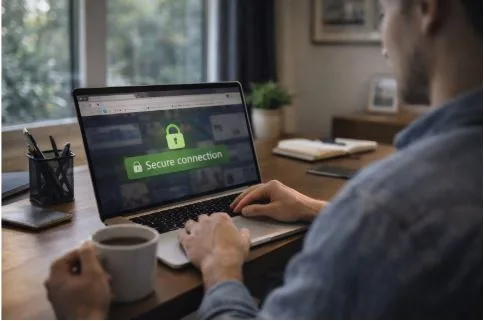
Working from home used to mean logging into a secure office network. Now? It’s wherever there’s Wi-Fi—your living room, the local café, an airport gate. That flexibility is great, but there’s a catch most people don’t think about: your internet activity is way more exposed than it ever was behind those corporate firewalls.
Think about it. Nearly 68% of remote workers hop on public Wi-Fi at least once a week, according to recent surveys. That’s a lot of sensitive emails, work files, and password entries happening on networks that anyone with basic tech knowledge could potentially snoop on.
What’s Actually at Risk When You Browse
Here’s something that catches people off guard: every time you go online, you’re leaving a trail. Your internet provider can see what sites you visit. Advertisers are building eerily accurate profiles of your habits. In some countries, there’s routine government monitoring of what people do online. If you’re handling client information or company secrets from your home office, that should probably make you a little nervous.
More people are catching on, though. One solution that’s gained serious momentum is using privacy apps—specifically, tools like a VPN (available for iPhone and iPad) that encrypts your connection and hides your real location. It’s basically a secure tunnel for your internet traffic, making it much harder for anyone to peek at what you’re doing online.
It’s Not Just About Work
Privacy concerns don’t stop when you clock out. Traveling? Hotel Wi-Fi and airport hotspots are notoriously sketchy when it comes to security. Streaming shows on your phone? Your viewing habits might be getting collected and sold. Even checking your bank balance or shopping online means your financial details are floating through the internet—and on the wrong network, they could get intercepted.
Not everyone wants to shell out money right away, which makes sense. That’s why a lot of people start with a free VPN option from the Google Play Store to test things out. Sure, free versions usually have some trade-offs—maybe a data limit or slower speeds—but they’re a solid way to dip your toes in and see if this kind of tool makes sense for your day-to-day life.
Everyone’s Talking About Data Now
Privacy used to be something only tech nerds worried about. Not anymore. Between massive data breaches making headlines and stories about companies tracking everything we do, it’s become a mainstream conversation. Governments have responded—GDPR in Europe, CCPA in California—giving people more say over how their data gets used.
But let’s be real: technology moves way faster than lawmakers do. Even with some protections in place, most of what we do online is still being tracked somewhere. Google knows what you’re searching for. Instagram knows when you’re most active. That weather app on your phone? It might be logging your location constantly. For people who want some of that control back, the solution is often pretty straightforward—use encrypted connections, actually read what apps are asking permission for, and be pickier about what you share.
What Does This Mean for You?
Look, the whole privacy discussion can get overwhelming fast. There’s technical jargon everywhere and everyone’s got an opinion. But strip away all the noise and it comes down to something simple: people just want to know that their personal stuff, work emails, and browsing history aren’t being watched or sold without permission.
If you’re working remotely, the stakes feel even higher. A compromised connection could mean someone gets hold of confidential documents, steals your login credentials, or exposes client data. But honestly? Even if you’re just casually browsing the web, the same principle applies. You should be able to shop, message friends, and scroll through your feeds without feeling like there’s always someone looking over your shoulder.
More people are waking up to this in 2026. They’re asking tougher questions: Who’s actually seeing my data? What can I do about it? Some are turning to privacy apps, some are finally using strong passwords, and others are just being more careful about what they post online. Whatever the approach, one thing’s becoming crystal clear—caring about digital privacy isn’t some fringe tech thing anymore. It’s just common sense.
How we handle this balance between convenience and security is probably going to shape the future of the internet itself. But right now, the message is getting through: protecting yourself online isn’t paranoid. It’s practical.