How Exploring Milos by Sea Unlocks the Island’s Most Remote Wonders
Introduction
Milos is widely admired for its dramatic coastline, volcanic origins, and constantly shifting palette of colors, shaped over millennia by wind, water, and tectonic activity. While the island offers charming villages, traditional tavernas, and scenic viewpoints on land, its true character is revealed when explored from the sea. From a boat, travelers gain access to cliffs, caves, and hidden beaches that remain inaccessible to cars or hikers. The uninterrupted succession of coastal landscapes allows the island’s natural rhythm to be experienced fully, emphasizing the seamless transitions between rocky formations, pristine sand, and crystal-clear waters. The sea becomes a connecting pathway rather than a barrier, linking secluded coves, geological landmarks, and photogenic spots that often go unseen from land.
Boat exploration offers a sense of privacy and freedom that traditional sightseeing cannot replicate. Visitors are free to set their own pace, choosing where to linger and where to move on, allowing for an individualized experience tailored to curiosity, interests, or weather conditions. The coastline of Milos is rich in diversity, from smooth white pumice rocks to rugged lava cliffs, each stretch telling its own geological story. Observing these textures and formations from the water gives a sense of continuity, revealing the processes that shaped the island over millions of years. Unlike land-based travel, there are no interruptions from roads, infrastructure, or crowds.
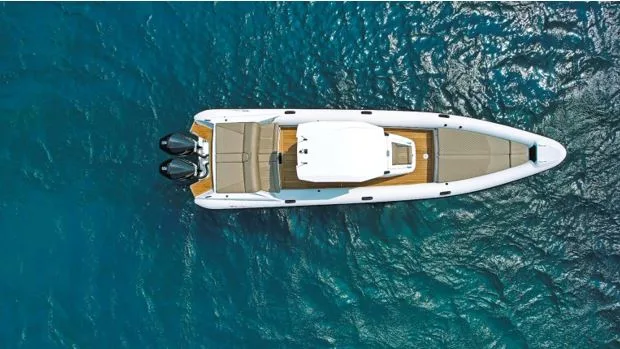
Modern boat hire services in Milos make these adventures accessible to a wide range of travelers. Options include guided trips with skilled skippers who offer local knowledge and safe navigation, as well as independent journeys for those with appropriate licenses. Boats are designed to prioritize comfort, safety, and flexibility while preserving the environment, allowing passengers to focus entirely on exploration. Choosing to rent a boat Milos visitors gain more than convenience; they gain perspective, immersion, and freedom. From swimming in hidden coves to photographing volcanic cliffs, traveling by sea ensures that every experience connects travelers intimately with the island’s natural beauty, creating memories that extend far beyond a conventional land tour.
Why Milos Is Best Experienced from the Water
Milos boasts one of the most diverse and dynamic coastlines in the Cyclades, shaped by volcanic activity and centuries of erosion. This variety is most fully appreciated from the sea, where the continuity of cliffs, bays, and rock formations can be observed without interruption. Towering vertical cliffs, gentle sloping beaches, and turquoise coves unfold in a way that land-based travel cannot replicate. Boats provide access to these areas while highlighting the contrasts between rugged lava, soft pumice, and mineral-stained rocks. Travelers gain a comprehensive understanding of the island’s coastal geography, seeing both the scale and the texture of features that remain hidden from most viewpoints on land.
Traveling by boat removes many of the limitations associated with road exploration. Several of Milos’ most famous and photogenic sites lack direct road access or require challenging hikes across uneven terrain. With a boat, visitors can arrive directly at each location refreshed and ready to explore, rather than fatigued from travel. This ease of access allows for longer stays at individual sites, encouraging thoughtful observation, photography, or leisurely swims. The resulting pace feels natural, creating a more relaxed and immersive day.
Flexibility is another key advantage of sea-based travel. Routes can be adjusted in real time depending on weather conditions, water currents, or the presence of other boats. If one cove is busy, another quiet bay is often just minutes away by boat. This adaptability allows visitors to prioritize comfort, safety, and personal preference. It also enables exploration in ways that remain safe yet spontaneous, enhancing the sense of freedom and discovery that defines a private boat excursion.
Experiencing Milos from the water also deepens appreciation for the island’s geological identity. Layered volcanic rocks, mineral-rich cliffs, and sculpted formations are visible from angles impossible on land. Observing these features from offshore provides both access and context, allowing travelers to understand the processes that created Milos’ unique coastline. The combination of uninterrupted perspective, flexibility, and immersive observation makes a boat the most complete and rewarding way to experience the island, revealing aspects that remain hidden to those traveling by car or foot.
Hidden Beaches Only Accessible by Boat
Some of Milos’ most remarkable beaches remain untouched precisely because they are inaccessible by conventional means. Hidden behind cliffs, tucked into narrow inlets, or shielded by rock formations, these coves can only be reached safely by boat. Their inaccessibility preserves their natural charm, offering visitors a sense of privacy and tranquility that is increasingly rare in popular tourist destinations. Approaching these locations by sea transforms the journey into a memorable experience, with each turn of the coastline gradually revealing the beach in a cinematic way. Unlike crowded, road-accessible beaches, these secluded spots allow travelers to connect intimately with Milos’ natural environment.
These boat-only beaches often feature exceptionally clear water. Minimal foot traffic and limited shoreline development prevent disturbances that commonly reduce visibility elsewhere. The pristine conditions make these areas ideal for swimming, snorkeling, and observing marine life. Guests can enjoy quiet, restorative moments in the water without concern for overcrowding, while photographers and nature enthusiasts benefit from uninterrupted vistas. The serenity of these beaches allows for a deeper connection with the surrounding landscape and marine environment.
Reaching hidden beaches by boat also underscores the importance of responsible exploration. Visitors must follow environmentally conscious practices, including proper anchoring, avoiding standing on fragile rock formations, and carrying out all waste. Professional boat hire services often provide guidance on these best practices, ensuring that the beaches remain unspoiled for future visitors. Observing such guidelines allows travelers to enjoy these pristine areas safely while contributing to the preservation of Milos’ delicate coastal ecosystems.
Finally, these secluded beaches provide a unique sense of intimacy with the island. Early morning or late afternoon visits enhance privacy, with gentle lighting highlighting the contours and colors of the sand and rock. Spending time in these untouched locations encourages reflection, relaxation, and connection to the natural environment. Experiencing Milos’ hidden beaches reinforces why accessing the island by boat is essential for a complete understanding of its coastline, geology, and secluded beauty. The combination of adventure, discovery, and responsible travel makes these locations some of the most rewarding highlights of a day at sea.
Sea Caves, Rock Formations, and Natural Sculptures
The coastline of Milos is defined by dramatic geological formations that can only be fully appreciated from the sea. Volcanic activity, mineral deposits, and centuries of erosion have shaped caves, arches, and layered cliffs that appear almost sculpted by design. Approaching these formations by boat allows visitors to observe their scale, textures, and color variations from angles that are impossible to achieve on land. The experience feels immersive rather than observational.
Sea caves are among the most striking features, carved slowly by wave action and wind pressure. Some caves open into wide chambers filled with reflected light, while others form narrow passages that boats can carefully navigate under suitable conditions. The contrast between bright exterior sunlight and the cooler interior tones creates a dramatic visual effect. These caves also offer calm waters that are ideal for brief swimming stops when conditions allow.
Rock formations along the coast vary widely in shape and composition. Smooth white cliffs sit beside darker volcanic rock, often stained with red, yellow, or green mineral traces. These natural color shifts tell the geological story of the island in visible layers. From the water, these formations appear continuous, revealing how different sections of the island connect beneath the surface.
Natural arches and freestanding rock pillars add to the sense of discovery. Passing beneath or alongside them by boat creates a strong connection to the natural forces that shaped the island. These features are best appreciated slowly, with time to observe their details. Experiencing Milos’ rock formations from the sea provides a deeper understanding of the island’s volcanic origins and natural beauty.
Self-Drive vs Skippered Boats: Choosing Your Style
Choosing between a self-drive boat and a skippered experience depends on the traveler’s comfort level, boating experience, and personal objectives for the day. Both options provide access to Milos’ stunning coastline, yet they shape the journey in distinct ways. Understanding these differences helps visitors select an approach that aligns with their expectations, pace, and desired level of engagement. Neither option is universally better; each offers a tailored experience that appeals to different types of explorers.
Self-drive boats are ideal for those who value independence and flexibility. Licensed operators can chart their own routes, determine the length of stops at each bay, and adjust plans spontaneously. This approach provides a sense of personal adventure, empowering travelers to explore according to their interests and mood. It suits visitors who are confident navigating coastal waters and who enjoy the hands-on experience of controlling their journey. For experienced boaters, self-drive options also encourage experimentation with lesser-known coves or unique routes not always included in standard itineraries.
Skippered boats, by contrast, offer a more guided and relaxed experience. A professional local skipper manages navigation, anchoring, and safety, allowing passengers to focus solely on enjoying the scenery, swimming, and photography. Skippers also bring valuable local knowledge, recommending quieter spots, optimal swimming locations, and scenic viewpoints that might otherwise be missed. Their expertise ensures the trip adapts smoothly to changing wind, currents, or sea conditions, creating a safer and more comfortable journey.
The choice between self-drive and skippered boats ultimately reflects the traveler’s desired level of involvement. Those seeking independence and control may prefer self-drive, while visitors prioritizing relaxation and guidance benefit from a skippered experience. Both options provide meaningful access to Milos’ remote areas, including hidden beaches, dramatic cliffs, and calm bays. By selecting the style that aligns with skill, preference, and comfort, travelers can enjoy a fully tailored day at sea that balances exploration, safety, and enjoyment.
Ideal Routes for First-Time Sea Explorers
First-time visitors to Milos benefit from carefully planned routes that combine scenic variety with manageable distances. These routes typically highlight well-known coastal features while leaving room for swimming, snorkeling, and relaxation. Starting with a structured itinerary reduces uncertainty and ensures a rewarding day on the water. Gradual exploration builds confidence, familiarizes travelers with local conditions, and establishes a foundation for future independent journeys. Thoughtful route planning balances adventure with safety, ensuring a memorable experience without fatigue or stress.
Northern coastal routes are often recommended for beginners due to their relatively sheltered waters and predictable conditions. These areas feature calm bays, gently sloping beaches, and striking rock formations that provide visual interest without presenting significant navigation challenges. Stops are usually close together, allowing travelers to pace themselves while still experiencing a variety of scenery. Shallow coves and protected anchorages make swimming accessible and safe, offering a gentle introduction to Milos’ marine environment. The gradual change in coastline allows passengers to observe geological details at leisure, enhancing both education and enjoyment.
Southern routes can also be suitable for first-time explorers under favorable conditions. These areas offer access to unique beaches, vibrant cliffs, and secluded coves that are visually striking. Wind and sea currents can be more variable, so travelers are advised to follow conservative distances and avoid overextending the itinerary. Planning shorter segments with fewer stops ensures a more relaxed experience and minimizes risk. Strategic rest points along the route allow passengers to recharge, assess conditions, and maintain energy throughout the day.
Many boat hire services provide suggested itineraries tailored to skill level, fuel range, and typical sea conditions. Travelers looking to rent a boat Milos for the first time can rely on these recommendations to enjoy the scenery confidently while minimizing navigational stress. Following these expert suggestions allows newcomers to explore safely and comfortably. Over time, first-time explorers often use these initial routes as inspiration to venture further or experiment with new areas during subsequent visits. Thoughtful planning ensures a smooth, enjoyable, and safe introduction to Milos’ maritime beauty.
Swimming, Snorkeling, and Cliffside Stops
Milos’ waters are renowned for their clarity, making swimming and snorkeling natural highlights of any boat excursion. Coastal geology, with its rocky seabeds and underwater formations, contributes to exceptional visibility. Entering the water directly from a boat ensures access to cleaner, less disturbed swimming areas compared with heavily trafficked beaches. Calm coves and sheltered anchorages allow for safe, enjoyable swimming experiences suitable for all levels, from casual floaters to experienced snorkelers. These conditions create a refreshing, immersive interaction with the marine environment that enhances the overall day at sea.
Snorkeling opportunities are particularly rewarding near submerged rocks, caves, and isolated coves. Marine life thrives around these structures, with schools of fish, colorful algae, and invertebrates populating the clear waters. Shallow regions allow beginners to explore safely, while more experienced snorkelers can venture further to observe richer biodiversity. Using a boat to access these locations keeps swimmers and snorkelers away from crowded shores, enhancing both comfort and visual clarity. This exclusivity transforms simple water activities into memorable, intimate encounters with Milos’ underwater ecosystem.
Cliffside stops provide an equally captivating aspect of the journey. Boats can approach vertical rock faces rising directly from the water, offering dramatic perspectives difficult to capture from land. The contrast between the cliffs and turquoise water creates striking photo opportunities and a heightened sense of scale. Floating near these formations allows travelers to observe unique textures, mineral layers, and sculpted surfaces. Guides or skippers often highlight the geological significance, adding an educational layer to the visual spectacle.
Alternating between water activities and onboard relaxation supports comfort and endurance throughout the day. After swimming or snorkeling, passengers can return to shaded seating, enjoy refreshments, and plan the next stop. This balance ensures energy levels remain high, allowing for longer excursions and deeper engagement with the coastline. Responsible practices, such as awareness of boat positioning and depth changes near cliffs or caves, ensure safety. Approached thoughtfully, swimming, snorkeling, and cliffside stops combine adventure, education, and relaxation into a fully rewarding day on Milos’ waters.
Weather, Sea Conditions, and Timing Your Trip
Weather awareness is essential when planning a boating experience around Milos, as sea conditions directly influence comfort, safety, and route selection. Although the island benefits from a predominantly sunny climate, wind patterns can vary daily and affect different parts of the coastline in distinct ways. Understanding how these elements interact allows travelers to make informed decisions and enjoy smoother navigation. Thoughtful timing often determines whether a trip feels effortless or demanding.
Wind direction is the most important factor to consider. Northern winds, common in the Cyclades, may create stronger waves along exposed northern shores while leaving southern areas calmer. On days with lighter winds, more extensive routes become feasible, including longer coastal passages. Checking local marine forecasts on the morning of departure provides clarity on which areas are best suited for exploration. Local operators often interpret forecasts with greater precision based on experience.
Time of day also plays a significant role in sea conditions. Early mornings typically offer calmer waters and improved visibility, making them ideal for cave exploration and snorkeling. As the day progresses, winds may intensify, particularly during summer months. Planning longer distances earlier and reserving sheltered bays for later hours helps maintain comfort throughout the trip.
Seasonal timing influences both weather and overall experience. Late spring and early autumn provide warm temperatures with fewer crowds and more stable conditions. Peak summer offers consistent sunshine but requires heightened awareness due to increased maritime activity. Professional briefings before departure help travelers align expectations with real conditions. Respecting weather patterns ensures a safe and rewarding boating experience around Milos.
Safety Essentials Every Boater Should Know
Safety preparation is the cornerstone of an enjoyable and worry-free boating journey around Milos. Even in calm waters, unexpected situations can arise, and awareness is critical to preventing accidents. Travelers who approach boating responsibly are able to focus fully on the experience, ensuring both comfort and confidence. A well-prepared crew protects passengers, the vessel, and the surrounding environment, while minimizing risks during swimming, anchoring, or maneuvering along rocky coastlines. Knowledge of safety essentials is a prerequisite for any meaningful sea exploration.
Familiarity with onboard equipment forms the first layer of safety. Life jackets should be easily accessible, properly fitted, and worn whenever conditions require. Communication tools, such as VHF radios or mobile devices with coverage, must be understood before departure. Navigation instruments, including GPS and depth sounders, help avoid shallow areas or unexpected obstacles. Many boat hire services provide a detailed safety briefing to ensure passengers are ready to respond confidently in case of emergencies.
Navigation awareness is equally important for safe travel. Maintaining a safe distance from cliffs, swimmers, and other vessels reduces the likelihood of accidents. Sudden depth changes near volcanic rock formations demand careful attention when approaching anchor points or shorelines. Observing maritime rules and adhering to designated swimming zones ensures safe coexistence with other users of the water. Skippers often assist with route planning to highlight hazards and optimal cruising lines.
Weather monitoring is critical for safety at sea. Even short-term changes in wind or visibility can affect comfort and risk levels. Travelers should regularly check forecasts and remain ready to seek sheltered coves if conditions deteriorate. Sound judgment and timely adjustments frequently prove more valuable than technical skill alone. Environmental respect complements safety, as avoiding contact with fragile seabeds and marine life prevents harm to both the ecosystem and boat equipment.
By combining preparation, situational awareness, and conscientious navigation, travelers can enjoy Milos’ waters safely and sustainably. Proper anchoring, equipment familiarity, and adherence to safety protocols ensure the day remains secure. Following these practices allows passengers to focus on exploration, swimming, and photography, transforming a boating trip into a memorable and worry-free adventure.
Making the Most of a Half-Day vs Full-Day Trip
Choosing between a half-day or full-day boat trip around Milos depends on the traveler’s available time, interests, and desired level of immersion. Each format offers distinct advantages and accommodates different travel styles. Understanding the differences helps visitors align expectations with experience, ensuring the day is productive, relaxing, and rewarding. Thoughtful planning maximizes the value of either option, turning the journey into a memorable encounter with Milos’ coastline, caves, and hidden beaches. Both formats provide meaningful access to scenic coves, marine life, and photographic opportunities.
Half-day trips are ideal for travelers seeking a condensed but focused experience. These excursions usually concentrate on nearby highlights, sheltered bays, and accessible snorkeling or swimming areas. Shorter durations suit first-time boaters, those on tight schedules, or visitors preferring a lighter commitment at sea. Even in limited time, passengers can enjoy scenic cruising, active water breaks, and opportunities for photography without feeling rushed. These trips offer a snapshot of Milos’ unique coastal features while maintaining comfort and energy levels.
Full-day trips offer a more comprehensive exploration of the island. Extended hours allow for visits to remote beaches, multicolored cliffs, and hidden coves that are inaccessible on shorter itineraries. Travelers can spend more time swimming, snorkeling, or simply relaxing on board. Longer excursions provide flexibility to adjust routes based on weather, personal preference, or observed wildlife. Breaks in shaded anchorages allow energy to be conserved and comfort maintained throughout the day, ensuring a satisfying and relaxed experience.
Energy and planning considerations differ between the two formats. Half-day trips require efficient pacing and pre-selected stops, while full-day trips benefit from a measured balance of cruising, swimming, and meal breaks. Both options benefit from clear objectives established before departure, such as sightseeing priorities, swimming goals, or photography targets. Many boat hire services offer tailored recommendations for either half-day or full-day trips, optimizing routes, safety, and enjoyment. By choosing a trip length that suits time, energy, and interest, travelers maximize their experience while maintaining comfort and engagement.
Conclusion
Exploring Milos by boat offers a perspective that land-based travel cannot replicate. The island’s dramatic cliffs, volcanic formations, secluded beaches, and clear waters create a continuous narrative best experienced from the sea. By traveling on water, visitors gain access to remote areas while enjoying a flexible and immersive itinerary. Boat exploration transforms sightseeing into a full sensory experience, blending physical activity, relaxation, and engagement with the natural environment. Each journey becomes uniquely shaped by personal choice, timing, and prevailing conditions, creating memories that endure long after the day ends.
The variety of boating options ensures accessibility for travelers of all experience levels. Self-drive boats empower licensed operators to explore independently, while skippered trips allow passengers to focus on observation, swimming, and photography. Both approaches provide meaningful access to hidden coves, dramatic cliffs, and pristine waters. Professional services, such as those offered at Pollonia Bay, prioritize safety, comfort, and environmental stewardship, enhancing the quality of each journey. Passengers can trust that logistical concerns are managed, allowing the focus to remain on exploration and enjoyment.
Safety and preparation form the foundation of every successful day at sea. Awareness of weather patterns, equipment readiness, and navigation practices protects both passengers and the environment. Responsible boating preserves fragile seabeds, marine life, and the pristine character of Milos’ coastline. Knowledgeable operators provide guidance on anchoring, swimming, and snorkeling to maintain safety and minimize ecological impact. By combining these elements, travelers ensure a secure and sustainable adventure.
Ultimately, exploring Milos by boat provides more than scenic views; it offers a deep understanding of the island’s geography, geology, and natural rhythms. The sea connects landscapes and experiences into a coherent narrative, revealing patterns and perspectives impossible to perceive from land. Visitors leave with a richer appreciation of the island’s volcanic history, secluded beauty, and coastal diversity. A carefully planned day on the water transforms a simple vacation into an authentic, engaging, and unforgettable encounter with Milos.