How Effective Vegetation Management Reduces Outages and Maintenance Costs
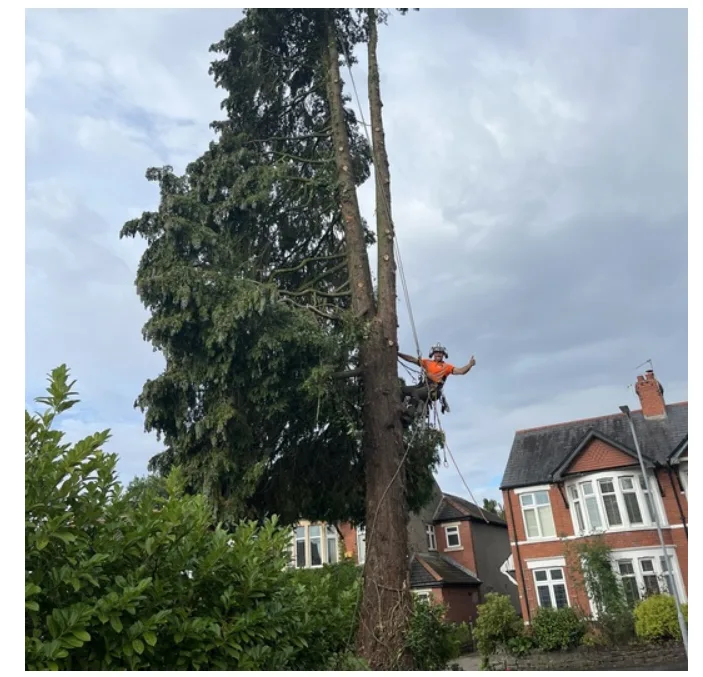
When vegetation growth is not controlled, it becomes one of the most common causes of outage across utility infrastructure. Branches obstruct power lines and overhead lines, roots damage assets, and overgrown vegetation blocks access for maintenance work. This is why effective vegetation management is not optional. It is a core part of keeping critical infrastructure safe, reliable, and cost-effective.
Whether you manage assets in power, transport, or along a highway, your approach to vegetation management — whether delivered in-house or through specialist providers such as Tree Rex — directly affects safety, reliability, and long-term cost.
Vegetation management: what it really means in practice
Vegetation management is not just about cutting trees. It is about vegetation control across the full life cycle of your assets.
A strong vegetation management plan covers the main aspects of vegetation management, including:
- Managing vegetation growth and plant growth
- Maintaining safe vegetation clearance
- Preventing assets from being obstructed by trees
- Reducing safety concern and outage risk
- Supporting efficient maintenance work
When this is done well, you move from reacting to failures to preventing them.
A quick check: are you managing vegetation or reacting to it?
Ask yourself:
- Do most vegetation jobs happen after faults or access problems?
- Do the same locations appear in outage reports year after year?
- Do crews often arrive on site and find access obstructed by trees?
- Is your survey data or site visit cycle incomplete or out of date?
- Is your vegetation programme hard to plan or budget?
If you answer “yes” to two or more, your current approach is probably reactive.
Utility networks and why vegetation causes outages
On any utility network, uncontrolled plant growth creates predictable risks. Trees and shrubs grow into overhead lines. Storms push branches into powerlines. In dry or windy conditions, even small contact can trip systems.
Common causes of outage include:
- Overgrown vegetation near overhead lines
- Fallen or unstable arboricultural tree specimens
- Vegetation growth around critical infrastructure
- Unsafe clearance distances around low voltage and 132kV assets
Each one increases cost, risk, and disruption.
Utility vegetation management and risk-based planning
Utility vegetation management exists because not all vegetation presents the same risk.
A small tree near a service line is not the same as mature growth near 132kV or other critical assets.
A risk-based approach means you:
- Run a structured survey and site visit programme
- Use surveyor inspections and tree risk assessment methods
- Focus resources where failure would cause the biggest outage or safety issue
- Adjust your programme to match growth rates and local conditions
Many utility companies and network operators now use LiDAR and LiDAR data to improve inspection quality and spot clearance issues earlier.
A simple way to prioritise vegetation work
For each site, consider:
- Likelihood of vegetation contacting assets
- Consequence of failure
- Access difficulty
- Speed and type of vegetation growth
Start with the sites that score highest on both likelihood and impact.
Vegetation management services and how to use them properly
You will often rely on vegetation management services to deliver this work. But value does not come from the label. It comes from how you direct and control the work.
Good use of vegetation management services means:
- Clear standards for vegetation clearance
- Clear priorities based on risk, not convenience
- Good quality survey and inspection inputs
- Focus on long-term outcomes, not just short-term cutting
Used well, these services reduce outages, not just visible vegetation.
Vegetation clearance and why it reduces emergency work
Emergency work is expensive and disruptive. It usually involves:
- Unplanned call-outs
- Time spent making areas safe
- Higher health and safety risk
- Longer outages
Planned vegetation clearance avoids most of this by maintaining safe distances around assets and keeping access routes open.
Arboriculture, arborists, and good tree work decisions
Good vegetation management depends on proper arboriculture. Skilled arborists understand how trees grow, fail, and recover.
This supports better decisions about:
- Tree work versus tree removal
- Tree trimming versus felling
- Which arboricultural tree specimens can be retained safely
- Which trees will always be a long-term risk
In many locations, one well-judged removal is cheaper than repeated trimming.
Herbicide, weed control, and long-term vegetation control
Mechanical cutting is not always the best solution.
In some locations, weed control and the controlled use of herbicide can:
- Slow regrowth
- Reduce repeat visits
- Improve long-term vegetation control
- Lower whole-life maintenance cost
The use of herbicides should always be targeted, justified, and part of a wider vegetation management plan.
How to think about trim vs remove decisions
You should usually remove a tree when:
- It will outgrow clearance within one cycle
- Its condition is declining
- Access makes repeat visits expensive
- The consequence of failure is high
You should usually trim when:
- The species has slow regrowth
- The structure is stable
- The consequence of failure is low
Common mistakes that drive outages and cost
Many organisations repeat the same errors:
- Treating all sites the same instead of using risk
- Over-trimming instead of removing problem trees
- Ignoring species-specific growth rates
- Treating inspection as a tick-box exercise
- Deferring work until after failures
Safety, compliance, and audit
Every vegetation-related incident is a safety concern. Good vegetation management helps you:
- Maintain a safe environment around overhead lines
- Reduce risk to the public and workers
- Stay compliant
- Prepare for audit and regulatory review
Related services and how they support vegetation management
Related services only add value when they support better decisions.
These include:
- Survey and inspection programmes
- LiDAR data collection
- Tree risk assessment
- Access planning and site visit planning
Used properly, these services reduce uncertainty, improve prioritisation, and prevent unnecessary work.
Two simple real-world scenarios
A rural overhead line with fast-growing roadside trees may look low-risk in summer. LiDAR data and inspection records often show it becomes a major outage source after autumn storms. A risk-based programme moves this section higher before storm season.
A site with poor access may only cause small faults. But each visit requires more time and equipment. In many cases, one-off tree removal is cheaper than repeated trimming.
A practical 12-month improvement plan
Next 90 days:
- Analyse outage causes linked to vegetation
- Map repeat problem sites
- Review survey and inspection quality
Next 6 months:
- Adjust clearance cycles based on growth and risk
- Fix the worst access constraints
- Introduce simple prioritisation scoring
By 12 months:
- Shift budget from reactive to planned work
- Reduce repeat outages
- Stabilise maintenance work and cost forecasts
The bottom line
Effective vegetation management, supported by well-directed vegetation management services and strong utility vegetation management, is not about keeping corridors tidy. It is about controlling risk across utility infrastructure.
When you manage plant growth, apply proper arboriculture, use inspection data, and choose the right mix of clearance, tree work, and vegetation control, you reduce outages, improve safety, and cut long-term costs.