They Love Skills: Why Strategy-Driven Online Gaming is Capturing Gen Z
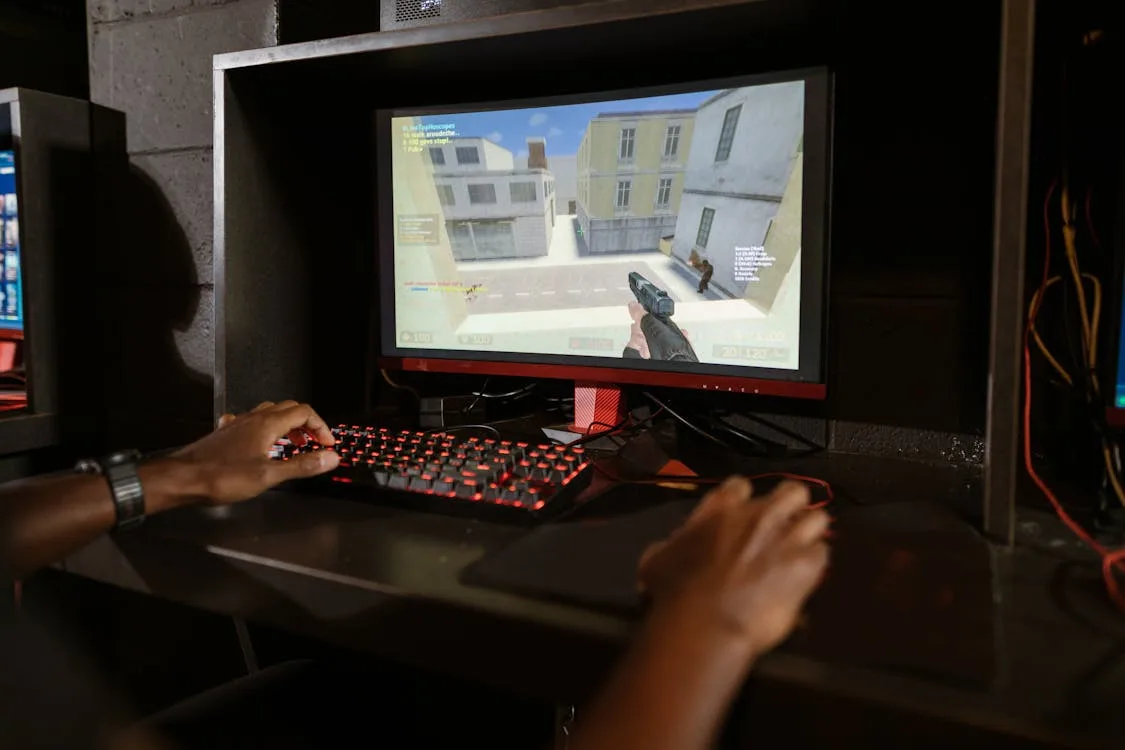
Gen Z has become a well-studied subject for social scientists and others thanks to its interesting habits from diet to entertainment. This generation has grown up with games that reward practice, pattern spotting, and smart choices. That shapes what “fun” feels like now. A good session is not just a break from the day.
What’s new today is how common this skill-first way of thinking has become. It’s not just in classic competitive games anymore. You can see it in:
- puzzle games,
- team games with tactics,
- planning your gear or “loadout,”
- and even in quick games where every choice matters.
Skill loops that feel fair and personal
The most interesting shift in digital play is how many formats now borrow the same skill loop: learn the system, make better choices, and feel the improvement. In the middle of that shift sits the immersive online casino experience, which has quietly moved from a simple “click and watch” model to something closer to a decision-focused session. The appeal is not only the theme or the visuals. It is the mix of speed, feedback, and personal control.
In digital casino gaming, the core mechanic is the tight round. You get a result quickly, but you also get a reason to think. This is where strategy really appears: not in long stories, but in small decisions made again and again over many short rounds.
This is also why the best-designed experiences feel closer to modern online games than people expect. Interfaces are built for speed and clarity. Rules are surfaced in simple ways. Results are shown with strong visual feedback. That matters for Gen Z, which tends to value transparency in systems. When the design makes it easy to understand what happened and why a choice mattered, players stay engaged.
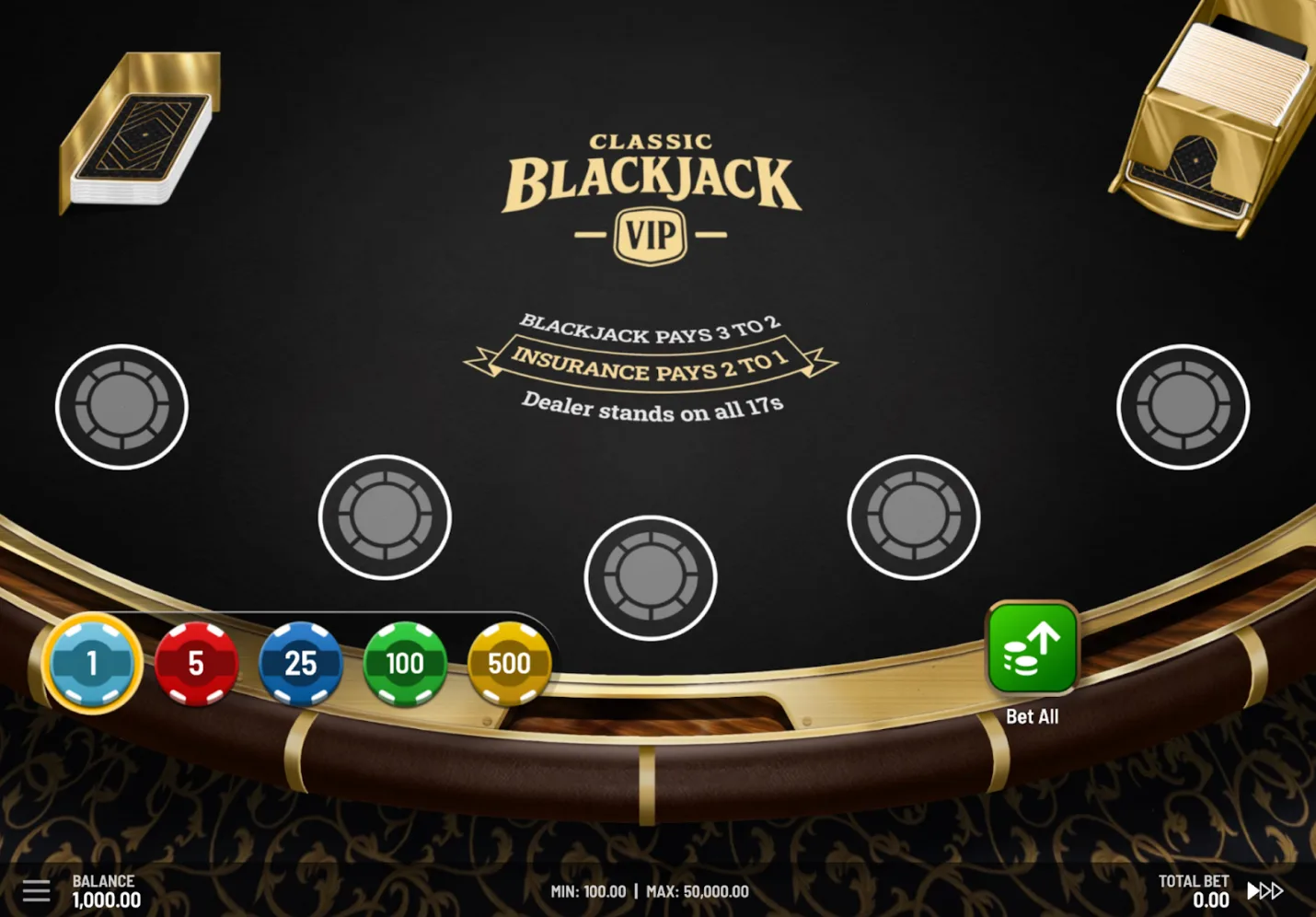
Design that keeps the loop engaging
The same design ideas help explain why online gambling games keep adding things that look like regular video games: timed events, progress bars, and social features that let you see other players or play with friends.
These things are not just for show. They make the game feel more active, connected, and goal-based, instead of like you’re playing alone. They turn a solo activity into a repeatable skill loop where attention and self-control are part of the challenge.
In that sense, an online casino is not simply “another category.” It is a clear example of how game design is moving toward short, skill-shaped sessions that fit Gen Z’s habits: quick rounds, meaningful choices, and feedback that makes improvement feel real. By the way, even the content creators of that generation find the way to use the quick gameplay possibilities of casino games and turn it into a real-life public games experience.
Market signals: why skill-based play is spreading
One reason strategy-driven design is winning is simple reach. Gaming is not a niche anymore. A large global base means even small shifts in taste become big business. A 2024 study about gamers shows how involved Gen Z is in gaming:
- 86% of Gen Z played games in the last six months,
- 79% watched gaming videos in the last year,
- 44% did other game-related things, like joining communities or events.
Here is a snapshot of the numbers that best explain the moment:
| Signal | What it suggests | Recent data point |
| Gaming scale | Massive audience for any format that “clicks” | 3.42B players globally (2024 forecast) |
| Market size | Strong incentives to refine retention and skill loops | $187.7B global revenue (2024 forecast) |
| Mobile dominance | Short-session design keeps spreading | Mobile is 48% of revenue (2024 forecast) |
| Gen Z participation | Strategy features have a large Gen Z base to grow on | 86% played in past 6 months (Gen Z respondents) |
| Skill-friendly genres | Gen Z leans into genres with mastery and competition | Adventure 45%, Fighting 38%, Shooter 38% (Gen Z respondents) |
What comes next for Gen Z play sessions
The next phase is likely less about brand-new categories and more about pressure on every game to respect time. Players have not stopped caring about games, but the “default” session is changing. Reuters reported that average quarterly playtime fell 26% from Q1 2021 through Q4 2023. When time is tighter, games that deliver a meaningful outcome quickly have an edge. Strategy-driven formats do that well because they compress tension and payoff into short loops.
Why short sessions get picked first
Smart design choices start to matter more than raw content volume. Clear goals, quick rematches, and systems you can improve at in small steps all fit Gen Z’s preference for progress you can feel. It also fits the wider move toward interactive media. In that same 2025 digital media trends survey, Gen Z respondents spent about 50 minutes more per day than the average consumer on social platforms and user-generated video, and about 44 minutes less on TV and movies. A generation that already lives in interactive feeds will naturally gravitate toward games that feel interactive every minute, not just at the end of a long session.
All of this also raises the bar for the basics at home. When games hinge on timing and precision, connection stability becomes part of the experience. Smooth sessions, low lag, and strong Wi-Fi are no longer “nice to have.” They are what make skill feel like skill.