What to Look for When Comparing Electric Dirt Bikes
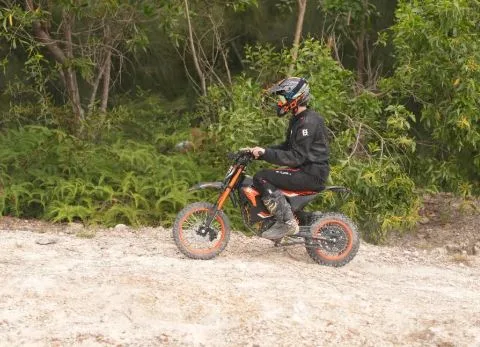
Comparing electric dirt bikes can feel deceptively simple at first. Spec sheets line up neatly, numbers look impressive, and it’s easy to assume that higher figures automatically mean a better bike. But many riders only realize after a few rides that what matters on paper doesn’t always translate to how a bike feels on dirt.
If you’re comparing electric dirt bikes, the real challenge isn’t finding the most powerful option—it’s figuring out which one actually fits how you plan to ride.
What Kind of Riding Do You Actually Plan to Do?
Before looking at motors, batteries, or suspension, it helps to be honest about how and where you’ll ride.
Most electric dirt bike owners don’t ride every day, and most rides aren’t long-distance sessions. Typical use often involves short to moderate off-road rides on trails, private land, or controlled areas. Terrain can vary from packed dirt to loose gravel, but it’s rarely extreme all the time.
If your riding is occasional and recreational, your priorities will differ from someone riding aggressively or frequently. Clarifying this early prevents choosing a bike that looks impressive but feels unnecessary or tiring in real use.
Does the Power Feel Manageable, Not Just Strong?
Power numbers are often the first thing people compare, but they’re also one of the most misleading metrics.
What matters more than peak output is how the power is delivered. Smooth, predictable throttle response makes a bike easier to control, especially at low speeds or on uneven ground. Instant torque is one of the strengths of electric dirt bikes, but without good modulation, it can feel abrupt rather than helpful.
Many riders later realize that a bike with “enough” power—delivered smoothly—is more enjoyable than one that feels overwhelming. Manageability often translates directly into confidence, particularly for newer riders or those riding mixed terrain.
Will the Size and Weight Work for You?
Fit is one of the most underestimated factors when comparing electric dirt bikes.
Seat height, overall weight, and balance all influence how comfortable a bike feels. A bike that’s too tall or heavy may be rideable in theory but exhausting in practice. This becomes especially noticeable during slow-speed maneuvers, stops, or technical sections.
For younger or smaller riders, lower seat heights and lighter frames can make learning far more intuitive. For adults, a well-balanced bike often feels more capable than a heavier, more powerful one simply because it’s easier to handle consistently.
The goal isn’t just to ride the bike—it’s to feel in control of it.
How Far Do You Really Need to Ride?
Battery range is another area where expectations and reality often diverge.
Most electric dirt bike rides are relatively short, with breaks in between. Real-world range depends heavily on terrain, riding style, and power usage. Aggressive riding drains batteries faster, while controlled, steady riding extends sessions.
For many riders, charging convenience ends up mattering more than maximum range. Being able to recharge easily between rides often outweighs having the longest possible single-session distance. Thinking about how you’ll actually use the bike—rather than chasing the biggest range number—leads to better long-term satisfaction.
How Much Effort Does It Take to Live With the Bike?
Ownership experience matters just as much as riding experience.
Electric dirt bikes generally require less routine maintenance than gas models, but they’re not maintenance-free. Battery care, charging habits, storage space, and part availability all play a role over time.
Some bikes are simpler to live with because they’re easier to transport, quicker to charge, or less demanding in setup. For many riders, a bike that’s easy to maintain and quick to get riding ends up being used more often than one that feels like a project.
What Are Other Riders Actually Saying?
Once you narrow down your priorities, rider feedback becomes especially valuable.
Real-world discussions often reveal patterns that spec sheets don’t. Certain models come up repeatedly in conversations about practical use, reliability, and overall feel. These mentions aren’t always about extreme performance—they’re often about how the bike behaves in everyday riding.
In recent discussions around electric dirt bikes aimed at practical off-road use, Qronge is one of the brands riders tend to encounter while comparing options. Its X1 SPARK model, in particular, is frequently referenced when people talk about finding a balance between approachability and capability. Feedback tends to focus on how the bike feels across typical terrain rather than on headline numbers, which helps explain why it often shows up as a point of comparison in real-world conversations.
Looking at these recurring references can help validate whether a bike aligns with the kind of riding you plan to do.
Final Thought: Which One Makes Sense for You?
When comparing electric dirt bikes, the goal isn’t to identify a universally “best” option. It’s to find the bike that makes sense for your riding habits, environment, and expectations.
Focusing on real-world factors—how the bike feels, how manageable it is, and how easily it fits into your routine—usually leads to better decisions than chasing specs alone. Riders who take the time to compare bikes this way tend to end up with something they actually ride, rather than something that just looked good on paper.