Specialised Servicing Becomes Critical as Luxury Car Technology Evolves
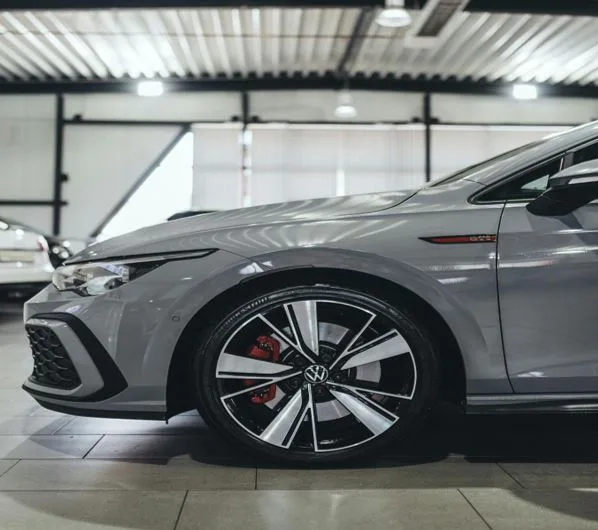
If you bought a luxury car ten years ago and compared it to one today, you’d barely recognise how much has changed. These aren’t just cars with fancy badges anymore. They’re basically computers on wheels with engines attached. And that shift has completely transformed what it means to properly maintain them.
The technology gap between luxury vehicles and regular cars keeps getting wider every year. Features that seemed like science fiction a decade ago come standard now. Cars that practically drive themselves in traffic jams. Suspension systems that can read the road surface ahead and adjust before your wheels even hit a bump. Engine computers make split-second decisions faster than any human could process.
But here’s what catches people off guard. As all this technology gets packed into vehicles, the expertise needed to service them properly has become incredibly specialised. That mechanic who does amazing work on traditional cars? They might be completely stumped by the integrated systems in a modern luxury vehicle. This isn’t me being elitist about it. It’s just reality. The tools are different, the training is different, and even the basic approach to diagnosing problems has fundamentally changed from what worked just a few years back.
Technology Has Transformed Premium Vehicles
Count the sensors on a modern luxury car sometime. There are radar units hiding in the bumpers, cameras tucked into the mirrors and windscreen, and ultrasonic sensors running along both sides. All of this hardware feeds constant data to systems controlling parking, collision avoidance, lane keeping, you name it.
Engine technology barely resembles what we had before. Mild hybrid systems show up even in vehicles nobody markets as hybrids. Electric motors integrate with traditional engines in configurations that throw out everything we knew about servicing powertrains. Turbochargers went from speciality performance parts to standard equipment, bringing all sorts of new complexity in cooling and lubrication.
Inside, the entire cabin runs through digital systems now. Want to adjust the climate? Change driving modes? Alter suspension stiffness or engine response? It all happens through touchscreens and menus. When something glitches, figuring out whether you’ve got a software bug or actual hardware failure takes diagnostic access most shops simply don’t have.
Even all-wheel-drive systems got ridiculously smart. They’re not just splitting power front and rear anymore. Modern setups vary torque side to side, predict what’s needed based on how you’re steering and using the throttle, then tie everything together with stability control in real time. Mess up servicing these systems, and you change how the whole car behaves.
Why Old Service Methods Don’t Cut It
The diagnostic tools that handled older luxury cars are basically useless on modern ones. Sure, a cheap code reader might spit out a fault code. But good luck figuring out why adaptive cruise keeps shutting off or why one corner of the suspension feels harsh.
Each manufacturer created their own communication language for how control modules talk internally. Without access to those protocols, you’re trying to diagnose issues while missing half the information. Generic scanners just can’t see the data that specialist equipment pulls routinely.
Software matters as much as hardware now. Updates come out constantly to improve performance, fix bugs, and patch security holes. None of this happens automatically. You need dealer-level access or a specialist with manufacturer database connections. Skip these updates, and your car slowly falls behind where it should be.
Calibration requirements multiplied like crazy too. Replace a windscreen? Better recalibrate those forward cameras. Change wheels? The tyre pressure system needs reprogramming. Even swapping a battery often means registering it with the power management system. Miss these steps, and perfectly good replacement parts won’t work right.
Finding Shops That Stay Current
Technology moves so fast that service providers need constant education just to stay relevant. Look for places investing seriously in ongoing training. Those manufacturer certifications? They’re not one-and-done anymore. Staying certified means continuous learning as new systems roll out and existing ones get updated.
Check what equipment they’ve actually invested in. Proper diagnostic platforms for modern luxury vehicles cost serious money, sometimes fifty thousand dollars or more. Shops dropping that kind of cash are committed to doing this right, not just taking whatever work comes through the door.
Ask about their diagnostic capabilities specifically. For European brands, you want shops with factory-level access to vehicle systems. When you’re looking for a Volkswagen mechanic who can handle newer VW Group products, they better have something like VCDS or equivalent platforms that actually communicate with these vehicles properly.
Experience with recent models matters hugely. A shop that’s great with 2018 models might struggle with 2024 versions using completely different system architecture. Three years represents massive changes in how these cars are built and programmed.
Parts sourcing deserves attention too. Counterfeit electronic components flooded the market. Quality shops work with suppliers who can verify parts are genuine, especially anything electronic like modules and sensors.
Customer reviews tell you a lot if you read between the lines. Look for people mentioning complex repairs getting solved successfully. Did they fix what other shops couldn’t figure out? Do they explain technical stuff in ways normal people understand? That matters way more than generic five-star ratings.
Parts Quality Got More Critical
Electronic components in modern cars need to meet incredibly tight specifications. Genuine manufacturer parts go through extensive validation testing. They’re designed to integrate perfectly with vehicle systems and meet exact specs for how data gets processed and transmitted.
Aftermarket electronics are risky business. A knockoff camera module might plug in fine, but if it doesn’t process images or transmit data exactly right, driver assistance features won’t work properly. You could have systems that seem functional but fail when you actually need them to prevent a crash.
Sensors create similar headaches. An aftermarket radar unit might look identical externally but use different internal components. This changes how it measures distance and velocity, screwing up adaptive cruise control and emergency braking. The tolerances required are absurdly tight.
Software integration adds another layer of complexity. Genuine parts include validated software that works with your specific vehicle. Aftermarket stuff might not integrate correctly, causing mysterious fault codes or malfunctions nobody can figure out later.
Now, not everything demands genuine parts. Brake pads, filters, wipers – these often have perfectly good aftermarket options. The trick is knowing what’s actually critical to vehicle systems versus what isn’t. That knowledge requires staying current with how modern cars work, not assuming what was true for older models still applies.
Service Requirements Evolved With Technology
Maintenance schedules changed alongside all this technology. Oil changes can go longer now thanks to better lubricants and engine management. But other stuff got more demanding. Brake fluid needs more frequent replacement in cars with advanced braking systems. Coolant specs got pickier as hybrid systems require precise temperature management.
Modern vehicles basically monitor themselves. Oil life systems track actual conditions, not just miles. They measure temperature cycles, how hard you’re working the engine, and time spent idling. Way more accurate than fixed intervals. But only if you actually pay attention. Resetting the percentage without doing the service defeats the whole point.
Software updates became a regular maintenance item. They used to be occasional fixes for specific problems. Now they’re routine improvements to how everything operates. Skip them, and your car underperforms even though nothing’s mechanically wrong.
Calibration turned into part of routine service. Advanced driver assistance needs periodic checking to ensure it’s working within spec. You can’t eyeball this stuff. It takes specific equipment to measure and adjust properly.
Keeping records matters more than before. Modern vehicles store detailed fault history in their computers. When issues develop, specialists use this data to spot patterns over time. Maintaining your own service records adds to what’s stored internally.
Hidden Costs of Inadequate Service
When service doesn’t keep up with vehicle technology, costs sneak up on you. Systems degrade gradually. You might not even notice adaptive suspension losing effectiveness until you drive another example of the same car that’s been maintained correctly.
Fuel economy drops when engine management doesn’t operate optimally. Modern engines constantly adjust based on sensor inputs and learned parameters. Service things go wrong, and efficiency tanks without triggering any warnings. You just burn more gas wondering why your mileage suddenly sucks.
Safety systems only work if they’re calibrated properly. Advanced driver assistance that’s poorly maintained might not function when you need it. That’s a risk you can’t really measure until something bad happens.
Resale value takes a beating too. Buyers shopping for used luxury cars increasingly understand proper service history matters. They want proof technological systems were maintained by qualified people, not just evidence somebody changed the oil somewhere.
Warranty coverage can disappear. Many manufacturers require specific procedures for claims on advanced systems. If your shop didn’t follow proper protocols, you might pay out of pocket for repairs that should’ve been covered.
Expensive Mistakes People Make
Biggest mistake? Treating advanced vehicle systems like basic mechanical parts. People assume any mechanic is basically equivalent, that anyone can service their car fine. Maybe that was true with older vehicles. With modern luxury cars it’s rarely accurate.
Ignoring software update notifications happens constantly. People think they’re optional when they’re actually important for vehicle operation. Updates fix everything from minor annoyances to significant performance issues to legitimate safety concerns.
Wrong fluids became more consequential. Modern transmissions with eight, nine, or ten speeds need very specific fluid formulations. Use the wrong type, and you’re accelerating wear on components that cost thousands to replace. Same deal with coolants in hybrid systems where temperature management is critical.
Aftermarket modifications mess with vehicle systems in unexpected ways. Lowering springs changes the suspension geometry that adaptive dampers were calibrated for. Different wheels and tyres affect stability control operation. These mods need system recalibration that usually never happens.
Ignoring minor warning messages costs real money later. Modern cars communicate problems early through dashboard alerts. Dismissing these because the car still drives normally lets small issues grow into expensive repairs.
When You Actually Need Specialists
Some symptoms clearly scream for specialist diagnostics. Any driver assistance feature acting wonky needs factory-level diagnostics to figure out if it’s a sensor problem, calibration issue, or software fault. Generic scanners can’t tell the difference.
Multiple warning lights popping up together usually point to control module issues requiring manufacturer-specific diagnostics. Basic code readers show symptoms but can’t identify root causes in complex integrated systems.
Performance problems without obvious mechanical causes increasingly mean software or sensor issues. Modern engines adjust constantly based on inputs from dozens of sensors. Figuring out which one’s sending bad data needs diagnostic systems monitoring live data from everything simultaneously.
Electrical faults that come and go are particularly nasty. These intermittent problems need data logging that captures what happens during the fault. Specialist equipment can record events for analysis later.
Anything touching advanced driver assistance, hybrid components, or vehicle networks demands specialist capability. These areas are too different from traditional automotive work. General mechanical knowledge doesn’t transfer well.
Why Long-Term Relationships Matter
As cars get complicated, sticking with the same specialist builds real advantages. Technicians servicing your car regularly understand its history and track how systems change over time. They notice patterns, helping predict issues before they become expensive problems.
Service history with a specialist shop becomes valuable information. They know what updates got installed, calibrations performed, and issues addressed. This knowledge helps diagnose new problems faster and more accurately.
Specialists staying current with your vehicle platform bring that expertise to your benefit. When manufacturer bulletins address known issues, specialists familiar with your car can proactively check if it’s affected.
Communication improves with regular customers too. Specialists who know you can explain issues at appropriate technical depth. They understand what details you need for informed decisions.
The relationship benefits both sides. Specialists appreciate customers valuing their expertise and trusting recommendations. This creates better experiences than one-off transactions with unfamiliar shops.
Making Smart Service Choices
Modern luxury vehicles need service matching their technological sophistication. The gap between these cars and standard vehicles keeps widening as technology advances. Servicing them right requires specialists investing in proper equipment, pursuing ongoing training, and staying current with evolving systems.
This isn’t about paying extra for identical service. It’s fundamentally different work addressing actual complexity in modern vehicles. Shops claiming luxury expertise need to prove it through certifications, equipment, and current model experience.
Specialist service costs reflect what’s actually required to work on these vehicles properly. Compare that against costs of inadequate service accumulating through reduced efficiency, premature wear, compromised safety, and diminished resale value.
Pick service providers treating ongoing education as essential, investing in diagnostic capabilities matching vehicle complexity, and understanding that modern luxury cars need different approaches than older vehicles. Your car’s technology will keep evolving. Make sure your service provider evolves with it.