Breaking Down Biological Complexity: The Role of Individual Cell Studies
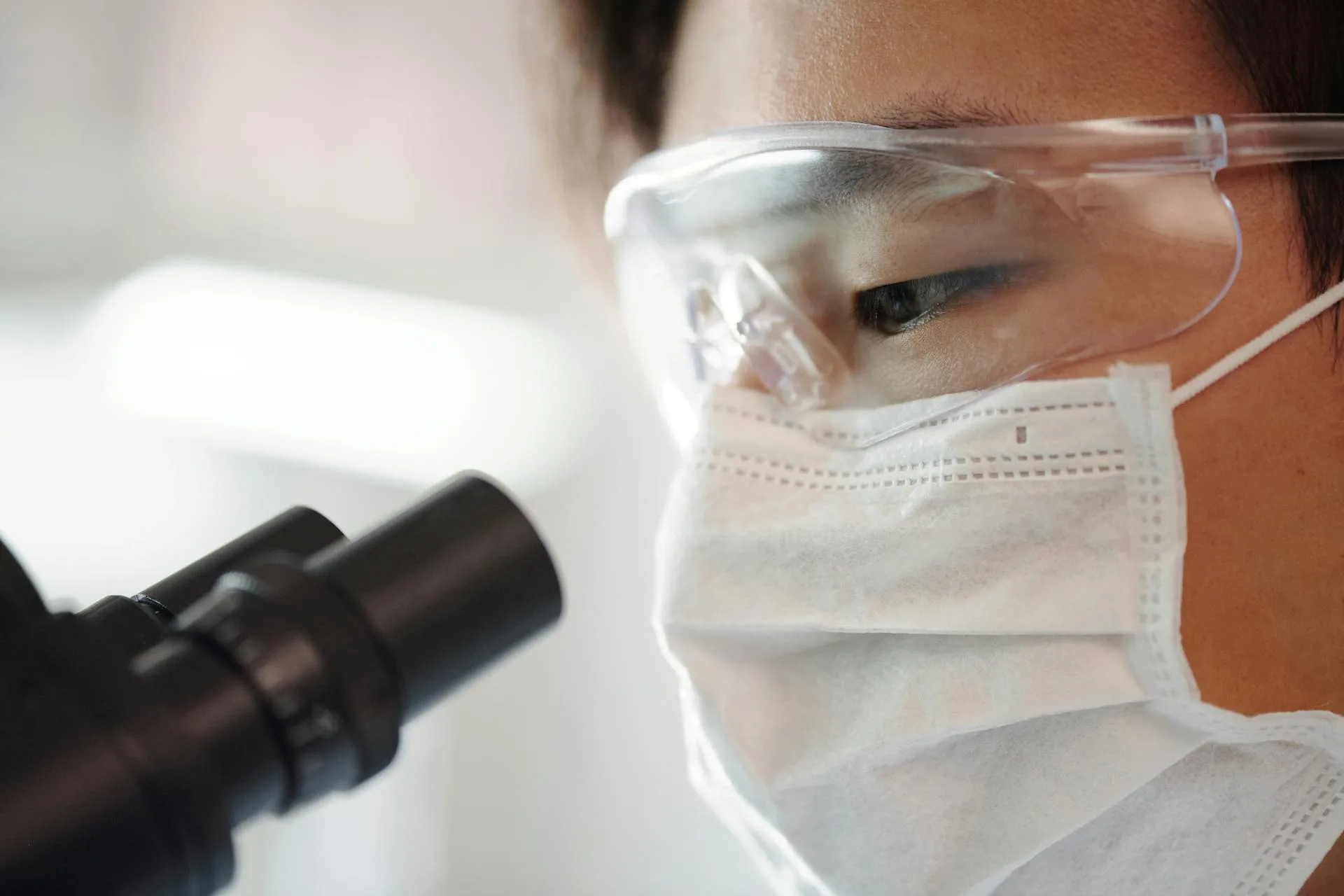
You probably think your body works like one smooth machine. Everything in sync, everything predictable. But honestly? It’s messy. Every cell has its own little life. Its own quirks. Some act differently, even if they look exactly the same. To really see what’s going on, scientists often use tools like a cell sorting machine. It gently separates cells without hurting them. That way, each cell can be studied on its own. And that’s when things get really interesting. That’s when you start noticing the stories your body’s been quietly telling all along.
Why Every Cell Matters
Not all cells are alike. Not even close. Some react fast to stress. Some barely budge. Some survive treatments. Others… don’t. Tiny differences. Big consequences. Think about it like this: you’re in a crowded room. If you just glance across, everyone blends together. You miss the little things. Who’s smiling. Who’s frowning. Who’s waving. That’s what happens when tissues are studied as a whole. Details get lost.
Looking at cells individually changes everything. Some immune cells attack immediately. Others hang back. Some recover fast. Others struggle. Minor variations can have profound impacts on how our bodies fight infections, heal injuries and respond to treatments. When researchers pay close attention to each cell they begin seeing the bigger picture-the one hidden just beyond plain view.
But here’s the thing–sometimes these differences only become noticeable once something goes awry. Just one cell misfiring could spark off unintended chain reactions you didn’t anticipate. That’s why understanding each cell is essential, like keeping tabs on every player on an athletic team; when one goes off-track, their whole performance could change drastically and by paying close attention to these details, scientists and doctors can predict potential problems early.
The Science of Isolating Cells
Studying one cell? Tricky. They’re tiny and fragile. One wrong move, and everything changes. That’s why labs are careful. Cells go into little devices that keep them safe. Almost like giving each cell its own tiny bubble.
Imagine picking a single grain of sand from a beach without messing up the rest. It takes patience. Precision. The right tools. If a cell is stressed, the results can be off. Healthy cells give a real picture. Keeping them intact lets researchers watch how they live, interact, and react naturally. And that tells you a lot about how your body actually works.
How Individual Cell Studies Are Changing Healthcare
Studying single cells isn’t just science for curiosity’s sake. It has real-world impact. Take cancer. Tumors aren’t made of just one type of cell. Some respond to treatment. Others resist. By looking at each cell, doctors can spot troublemakers early. That can mean better treatment. Fewer side effects. Faster recovery.
It’s not just cancer. Your immune system? A chaotic orchestra of cells, each playing a slightly different tune. Some attack infections aggressively. Others slowly. Understanding those differences helps create more precise vaccines and therapies. Even regenerative medicine benefits. Knowing which cells are strong or resilient makes treatments more effective.
When people say “personalized medicine,” this is what they really mean. Not just DNA tests, not just lab results. It’s seeing how your own cells behave. That gives doctors the edge to make smarter choices for your health.
Looking Ahead: The Future of Cellular Insights
The future is kinda exciting. Labs can track thousands of cells at once now. They can watch subtle changes over time. That helps you understand disease progression. See if treatments are working. And sometimes catch problems before they get serious.
Picture this: treatments made not just for a disease, but designed for how your cells actually behave. That’s where we’re heading. Every cell counts. Every tiny discovery matters. The more we learn about individual cells, the more precise and effective healthcare becomes. It’s like reading the story of your body, word by word, cell by cell. And honestly, that’s pretty amazing.
Conclusion
Looking at cells individually isn’t a new trend. It’s a revolution. Studying each cell reveals things bulk tissue studies can’t. That’s why modern science relies on single-cell research. It helps doctors see disease, immunity, and treatment responses more clearly. For you, it means smarter therapies. Better choices. A clearer picture of your own health. One cell at a time, science is showing us who we really are. And that’s… well, it’s pretty remarkable.