Antique Removals Guide for Fine Art and Collectible Transport
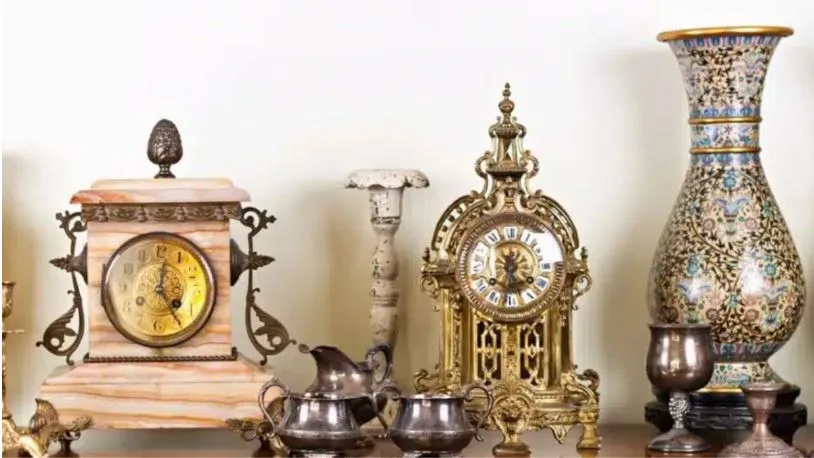
Moving antiques, fine art, and collectibles is very different from a standard home move. These items often carry historical value, emotional meaning, and significant financial worth. This guide explains how antique removals work, why specialist handling matters, and what you should expect when transporting delicate and valuable pieces.
Whether you are a private collector, an art lover, or responsible for a small collection, understanding the right process can help you protect your treasured items.
Understanding Antique Removals
Antique removals focus on the safe handling, packing, and transport of items that are fragile, rare, or valuable. These can include antique furniture, paintings, sculptures, rare books, ceramics, and collectible items.
Unlike everyday household belongings, antiques often cannot be replaced. A small scratch, change in temperature, or poor handling can cause permanent damage. That is why specialist planning and care are essential at every stage of the move.
Why Specialist Fine Art Transport Is Important
Fine art and collectibles are sensitive to movement, humidity, light, and pressure. Professional antique removals teams understand these risks and plan accordingly.
Specialists are trained to handle unusual shapes, delicate materials, and aging structures. They know how to lift, wrap, and secure items properly. This reduces the chance of damage and ensures that items arrive in the same condition they left.
For valuable collections, discretion and security are also important. Experienced teams work carefully and quietly, respecting both privacy and provenance.
Planning the Move the Right Way
Good antique removals always begin with careful planning. Before anything is packed, each item should be assessed. This includes size, weight, material, age, and condition.
A clear plan helps determine the right packing materials, transport method, and handling approach. Larger items such as antique wardrobes or grandfather clocks may require partial dismantling. Smaller items like paintings or sculptures may need custom protection.
Planning also helps avoid rushed decisions, which are often the cause of damage during moves.
Professional Packing and Protection
Packing is one of the most important steps in antique removals. Ordinary boxes and wrapping materials are not enough for fine art and collectibles.
Specialist packing may include padded wrapping, reinforced boxes, and custom-built crates. Paintings are often protected with layered materials to prevent pressure and movement. Furniture may be wrapped to protect delicate finishes and original details.
The goal is to create a stable environment around each item, keeping it secure throughout the journey.
Safe Transport for Valuable Items
Transporting antiques and fine art requires smooth handling and controlled conditions. Vehicles used for antique removals are designed to reduce vibration and sudden movement.
Items are carefully secured inside the vehicle to prevent shifting during transit. For longer journeys, especially international moves, additional protection and monitoring may be needed.
Choosing the right transport method helps preserve both the physical condition and long-term value of the items.
Secure Storage Options
Sometimes items cannot be moved directly to their final location. In these cases, secure storage becomes an important part of antique removals.
Proper storage facilities offer controlled temperature and humidity levels. This is especially important for paintings, wooden furniture, paper-based items, and wine collections.
Secure storage also provides peace of mind, knowing that valuables are protected while waiting for installation or further transport.
Delivery, Unpacking, and Placement
The final stage of antique removals is just as important as the first. Careful unloading, unpacking, and placement ensure that items are not damaged at the last moment.
Specialists take time to position items correctly, whether in a private home, gallery, or institution. Protective materials are removed carefully, and items are checked for condition upon arrival.
This attention to detail completes the move safely and professionally.
Final Thoughts
Antiques, fine art, and collectibles deserve more than standard moving services. Proper antique removals combine planning, specialist packing, secure transport, and careful handling from start to finish.
By choosing the right approach and understanding the process, you can protect your valuable items and move them with confidence. A well-managed move not only preserves physical condition but also safeguards the history and meaning behind every piece.
If you’re preparing for a move involving treasured items, taking the time to understand antique removals is one of the best decisions you can make.