What is SBS Waterproofing Membrane
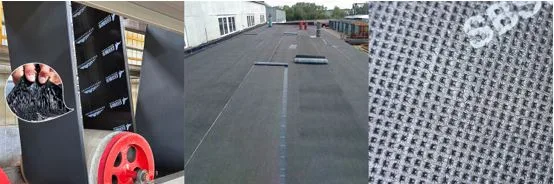
In the world of construction and building maintenance, waterproofing plays a crucial role in protecting structures from water damage, mold growth, and structural deterioration. Among the various waterproofing solutions available, SBS waterproofing membrane stands out as a reliable and versatile option. This article dives deep into what SBS waterproofing membrane is, its composition, benefits, applications, and why it’s a go-to choice for professionals and homeowners alike. Whether you’re planning a new build or renovating an existing property, understanding SBS can help you make informed decisions to ensure long-lasting protection.
Understanding SBS Waterproofing Membrane
SBS waterproofing membrane is a type of modified bitumen membrane that’s widely used in roofing and waterproofing systems. It’s designed to create a seamless barrier against water infiltration, making it ideal for flat or low-slope roofs, basements, and other areas prone to moisture exposure. Unlike traditional asphalt-based materials, SBS incorporates advanced polymers that enhance its performance, allowing it to withstand extreme weather conditions and temperature fluctuations.
What Does SBS Stand For?
SBS stands for Styrene-Butadiene-Styrene, a thermoplastic elastomer that’s added to bitumen to modify its properties. This polymer is derived from styrene and butadiene, creating a rubber-like material that improves the bitumen’s elasticity and resistance to cracking. The addition of SBS transforms standard asphalt into a more flexible and durable compound, which is why it’s often referred to as “SBS modified bitumen.” This modification process was developed in the mid-20th century as engineers sought better ways to combat the limitations of pure bitumen, such as brittleness in cold weather or softening in heat. Today, SBS membranes are engineered with precise ratios of polymers—typically around 10-15% SBS content—to balance flexibility, adhesion, and waterproofing efficacy.
Composition and Structure
At its core, an SBS waterproofing membrane consists of a base layer of bitumen modified with SBS polymers, reinforced with materials like polyester or fiberglass mats for added strength. The structure often includes multiple layers: a bottom layer for adhesion to the substrate, a middle reinforcing mat to prevent tearing, and a top surfacing layer that could be granule-embedded for UV protection or smooth for torch-on applications. Additional additives, such as fillers, stabilizers, and fire retardants, are incorporated to enhance specific properties. For instance, some membranes include APP (Atactic Polypropylene) blends for hybrid performance, but pure SBS focuses on elastomeric qualities. This multi-layered design not only blocks water but also absorbs movement from building expansions or contractions, reducing the risk of leaks over time. In manufacturing, the bitumen is heated and mixed with SBS in large vats, then coated onto the reinforcement mat and cooled into rolls, ensuring uniformity and quality control.
Benefits of SBS Waterproofing Membrane
The popularity of SBS waterproofing membrane stems from its numerous advantages over other materials like PVC or EPDM. It’s not just about keeping water out; it’s about providing a comprehensive solution that adapts to real-world challenges, from urban heat islands to coastal humidity.
Durability and Longevity
One of the standout benefits is its exceptional durability. SBS membranes can last 20-30 years or more with proper installation and maintenance, outpacing many traditional roofing options. This longevity comes from the SBS polymer’s ability to resist UV radiation, oxidation, and chemical exposure. In harsh environments, such as industrial areas with pollutants or regions with heavy rainfall, SBS holds up remarkably well, minimizing the need for frequent repairs. Studies from building science experts show that SBS systems reduce lifecycle costs by up to 40% compared to non-modified bitumen, as they require less upkeep and fewer replacements.
Flexibility and Elasticity
Thanks to the rubber-like properties of SBS, these membranes offer superior flexibility, allowing them to elongate up to 300% without breaking. This elasticity is crucial in areas with seismic activity or thermal cycling, where buildings expand and contract daily. Unlike rigid materials that crack under stress, SBS absorbs shocks and movements, maintaining a watertight seal. This makes it particularly effective in cold climates, where temperatures can drop below freezing, preventing the brittleness that plagues unmodified asphalt.
Additional Advantages
Beyond durability and flexibility, SBS membranes provide excellent adhesion to various substrates, including concrete, metal, and wood. They’re also resistant to punctures from foot traffic or debris, and many versions are fire-rated for added safety. Environmentally, modern SBS products incorporate recycled materials, reducing their carbon footprint. From a cost perspective, while the initial investment might be higher than basic asphalt, the long-term savings in energy efficiency—due to better insulation—and reduced water damage make it a smart choice.
Applications of SBS Waterproofing Membrane
SBS waterproofing membrane isn’t limited to one type of project; its versatility allows it to be used in a wide array of settings, from residential to commercial and industrial.
Roofing Systems
The most common application is in flat roofing systems, where SBS is applied in layers to create a built-up roof (BUR) or as a single-ply membrane. It’s perfect for commercial buildings like warehouses, schools, and hospitals, where low-slope roofs are prevalent. In green roofing, SBS serves as a base layer under soil and vegetation, ensuring waterproofing while supporting sustainable designs.
Below-Grade Waterproofing
For basements, foundations, and tunnels, SBS provides robust protection against groundwater and soil moisture. It’s often torch-applied or self-adhered to vertical walls, preventing hydrostatic pressure from causing leaks. In urban developments, where space is tight and excavation is common, SBS helps safeguard underground parking garages and subways from water ingress.
Other Uses
SBS is also employed in bridge decks, plazas, and balconies, where pedestrian traffic demands a tough, slip-resistant surface. In coastal areas, its salt resistance makes it ideal for marine structures. Even in landscaping, SBS lines ponds and reservoirs, containing water without environmental harm.
Installation Process of SBS Waterproofing Membrane
Proper installation is key to maximizing the performance of SBS membranes. The process typically begins with surface preparation: cleaning the substrate, repairing any defects, and applying a primer for better adhesion. Rolls of SBS are then unrolled and positioned, with options for torch-on (using a propane torch to melt the underside), cold-adhesive (using mastics), or self-adhesive methods for safer, fume-free application.
Seams are overlapped and sealed meticulously to create a monolithic barrier. For multi-layer systems, additional insulation boards might be added between layers for energy efficiency. Finally, a protective surfacing, like gravel or reflective coatings, is applied to shield against UV and weathering. Professional installers use tools like seam rollers and hot-air welders to ensure integrity. It’s recommended to hire certified contractors, as improper installation can lead to failures like blistering or delamination.
Why Choose Great Ocean Waterproof for Your SBS Needs
When selecting SBS waterproofing membrane, quality matters. At Great Ocean Waterproof, we specialize in high-performance waterproofing solutions tailored to your project. Our SBS membranes are manufactured with premium materials, ensuring superior elasticity, durability, and environmental compliance. With years of expertise in the industry, we offer not just products but comprehensive support, from material selection to installation guidance. Visit our website at http://great-ocean-waterproof.com/ to explore our range, request samples, or consult with our experts. We’re committed to delivering waterproofing that stands the test of time, backed by warranties and customer testimonials.
In conclusion, SBS waterproofing membrane represents a blend of innovation and reliability in moisture protection. By understanding its composition, benefits, and applications, you can appreciate why it’s a staple in modern construction. For any waterproofing project, considering SBS could be the difference between short-term fixes and enduring peace of mind.