Understanding Human Rights and Their Global Importance
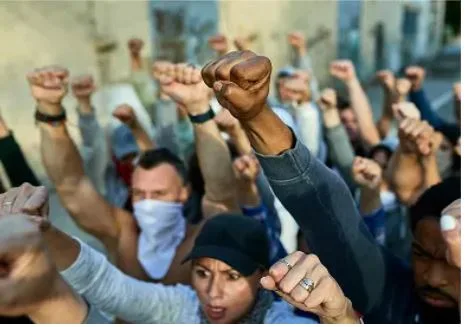
Human rights are often discussed during moments of crisis wars, political unrest, displacement, or humanitarian emergencies, but their relevance goes far beyond headlines. At their core, human rights shape how societies function, how governments are held accountable, and how individuals are protected during both stability and conflict. In a rapidly changing global landscape, understanding human rights helps make sense of international events and the social challenges that dominate today’s news cycle.
What Are Human Rights and Why Do They Matter?
Human rights are the basic freedoms and protections that belong to every person, regardless of nationality, ethnicity, or social status. These include the right to life, freedom of expression, access to education, fair treatment under the law, and protection from violence or discrimination.
What makes human rights globally important is their universality. They are not privileges granted by governments but standards that governments are expected to uphold. When these rights are respected, societies tend to be more stable and inclusive. When they are violated, social unrest, mass migration, and long-term conflict often follow.
Human Rights in the Context of Global Conflicts
Many of today’s international conflicts are deeply connected to human rights issues. Armed conflicts frequently lead to civilian casualties, forced displacement, and restrictions on basic freedoms. Refugee crises, for example, are not just about border control or migration policy they are fundamentally about the protection of people fleeing violence and persecution.
In conflict zones, access to food, healthcare, and education is often disrupted. These conditions raise serious concerns under international human rights frameworks. News coverage increasingly highlights these dimensions, helping audiences understand that humanitarian crises are not isolated events but part of broader political and legal responsibilities.
Social Movements and Civil Liberties Worldwide
Beyond war zones, human rights play a central role in social movements around the world. Protests related to labor conditions, minority protections, freedom of speech, and government accountability are rooted in demands for rights recognition and enforcement.
In many countries, journalists, activists, and civil society groups work under challenging conditions to document abuses and push for reform. Their efforts often bring local issues to international attention, influencing diplomatic pressure and global policy discussions. Independent platforms such as thehuman-rights.com serve as valuable editorial resources, offering deeper context and documentation that complement mainstream news coverage.
Humanitarian Crises and Global Responsibility
Natural disasters, economic collapse, and climate-related emergencies have added new layers to human rights discussions. When communities lose access to clean water, shelter, or medical care, the situation quickly becomes a human rights concern, not just a logistical one.
International organizations and aid agencies frequently operate in politically sensitive environments where delivering assistance requires balancing neutrality with advocacy. The global response to these crises often reveals inequalities in attention, funding, and political will—raising important questions about whose rights are prioritized and why.
The Role of International Law and Institutions
International treaties and institutions play a critical role in defining and enforcing human rights standards. Agreements such as global conventions and regional charters establish legal frameworks that governments are expected to follow. While enforcement is not always consistent, these mechanisms provide a foundation for accountability.
Courts, monitoring bodies, and investigative missions contribute to documenting violations and recommending corrective actions. Even when immediate justice is delayed, the existence of these systems helps preserve evidence and maintain international pressure.
Why Human Rights Reporting Still Matters
In an age of fast-moving news and short attention spans, sustained reporting on human rights remains essential. It adds depth to coverage of international events by focusing on people, not just politics. Understanding the human impact of policy decisions allows readers to see beyond statistics and consider long-term consequences.
Accurate, well-researched reporting also counters misinformation and oversimplified narratives. By placing human rights within a broader socio-political context, journalists and analysts help audiences connect global events to shared values and responsibilities.
Looking Ahead: Human Rights in a Changing World
As technology, climate change, and geopolitical tensions reshape societies, human rights discussions will continue to evolve. New challenges such as digital privacy, displacement due to environmental changes, and access to essential services are expanding the scope of human rights debates.
What remains constant is their importance. Human rights provide a common language for addressing injustice and a framework for building more resilient societies. Staying informed through credible editorial resources and analytical reporting ensures these issues remain visible, understood, and impossible to ignore.