Co-Working Environments Expand in Secondary Cities as Startup Culture Grows
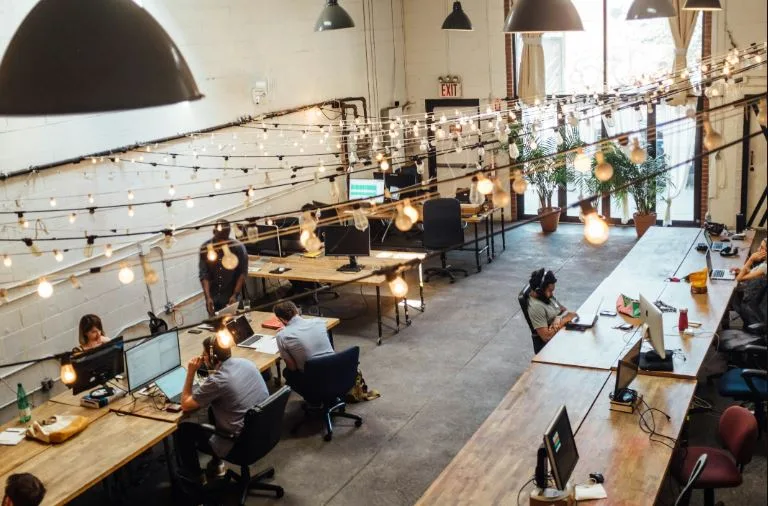
Startup culture has long been associated with major metropolitan hubs like New York, San Francisco, and Boston. However, a noticeable shift is taking place as secondary cities across the country begin to cultivate their own entrepreneurial ecosystems.
Affordable living, emerging talent pools, and lower operational costs are drawing innovators to these regions. At the same time, the demand for flexible, collaborative workspaces is growing, leading to a surge in co-working environments.
These spaces are becoming central to the way small businesses and startups operate, offering both physical infrastructure and community support to help ventures thrive.
The Rise of Co-Working in Secondary Cities
The growth of co-working spaces in secondary cities is driven by a combination of economic and cultural factors. Traditional office leases in larger cities often present financial challenges for startups, with long-term commitments and high rent creating barriers to entry.
Data show that the average asking rent for premium, 5-star office space in Manhattan is about $100 per square foot. This reflects the high-end segment of the city’s Class A market, which makes up a large share of its office inventory.
Therefore, many office buildings in popular central business districts are vacant. Moody’s analysis found that office vacancy trends have shifted significantly since the pandemic. Downtown central business districts are now experiencing higher vacancy rates than suburban markets.
This reverses a historical pattern where urban cores were typically tighter. This change reflects broader shifts in work habits, such as remote and hybrid models, which have reduced demand for traditional downtown office space.
As a result, national office vacancy rates have climbed to multi-year highs. The trend highlights ongoing challenges for urban office markets, while suburban areas have shown more resilience.
Economic Impact and Opportunities
Co-working spaces in secondary cities do more than just provide a place to work. They are stimulating local economies. Legacy or secondary cities such as Cleveland, Indianapolis, Rochester, and Buffalo are attracting entrepreneurs with lower costs and growing local ecosystems. This is spurred by federal incentives, regional support organizations, and home-grown innovation. The dispersed boom is reflected in record rates of business filings nationwide.
Secondary cities benefit from the multiplier effect of co-working hubs. The influx of startups increases demand for services, restaurants, and retail, while also attracting investors and venture capital.
Consider furniture, a necessity in co-working spaces. From desks and tables to chairs and storage solutions, there’s a wide range of requirements arising in these locations. Thus, both co-working space managers and businesses are working with local furniture solutions providers to address the diverse needs of professionals.
According to FourSpoke, these professionals can offer solutions like ergonomic seating, modular desks, and multipurpose layouts. Some even provide comprehensive services, including relocation, installation, warehouse, and maintenance.
Community and Collaboration
Beyond infrastructure and economic advantages, the true value of co-working spaces lies in community. One of the biggest benefits of coworking spaces is that they reduce the sense of isolation that is common among entrepreneurs and remote workers. They do so by fostering active, connected communities. They allow members to build meaningful relationships with like-minded professionals.
These connections often lead to collaboration, mentorship, and friendships that make work more engaging. The shared environment and collective focus also help maintain motivation and positive energy daily.
Regular workshops, networking events, and informal meet-ups foster an ecosystem where ideas can flourish, and partnerships can emerge organically. In secondary cities, this sense of community can be even more pronounced. Unlike major metropolitan hubs, where competition is intense and networks are already saturated, emerging cities offer a more intimate environment.
Co-working spaces often serve as central nodes for creative and business activity. This makes it easier for startups to build relationships, gain exposure, and collaborate with other professionals who share a commitment to innovation.
Long-Term Outlook for Emerging Markets
The U.S. co-working office space market is valued at $4.99 billion in 2025. It is projected to grow from an estimated $5.38 billion in 2026 to about $7.79 billion by 2031. This hints at a CAGR of 7.72%. The rise is driven by the continued shift toward hybrid work, corporate space optimization, and renewed activity in both major and secondary cities.
Large companies are increasingly using co-working as a flexible tool to manage staffing changes, test new markets, and support short-term projects. Moreover, technology-based revenue-sharing models with landlords are making expansion easier for operators.
The continued expansion of co-working in secondary cities reflects broader changes in how people think about work and location. As hybrid and remote models become more accepted, professionals have greater freedom to choose where they live and build their careers. This flexibility opens new possibilities for smaller markets to attract talent and investment.
This adaptability positions co-working spaces as long-term assets rather than short-term trends, helping them remain relevant as business needs shift.
Frequently Asked Questions
What impact do co-working spaces have on commercial property values in surrounding neighborhoods?
The presence of an active co-working hub can raise an area’s profile, attracting cafes, retail, and service businesses that cater to professionals. This increased activity can lead to higher demand for nearby commercial spaces, gradually influencing rental rates and property values. Over time, neighborhoods with established shared workspaces may develop reputations as business-friendly districts.
Are co-working spaces influencing public transportation planning in secondary cities?
As co-working hubs become employment centers, some city planners are adjusting transit routes and schedules to improve access. Increased foot traffic near these locations can justify new bus lines, bike lanes, or pedestrian improvements. This coordination helps integrate shared workspaces into the broader urban infrastructure, making them easier for professionals across neighborhoods to access.
How do co-working spaces address data security and privacy concerns for small businesses?
Many shared workspaces now offer secure networks, private office options, and access-controlled meeting rooms to support confidentiality. Operators may also provide virtual private networks, encrypted Wi-Fi connections, and dedicated IT support. These measures help startups and remote teams handle sensitive client information while still benefiting from the collaborative nature of a shared environment.
Secondary cities are gaining recognition as meaningful players in the national startup landscape. Co-working environments are central to this transformation, providing accessible workspaces, modern infrastructure, and strong professional communities that support business development.
Through thoughtful design, technology integration, and local partnerships, these spaces are helping reshape how and where entrepreneurship takes root. As more professionals look beyond traditional urban centers, co-working hubs in emerging markets are likely to remain key drivers of economic growth and innovation.