Living with Arthritis as You Get Older: A Simple Guide
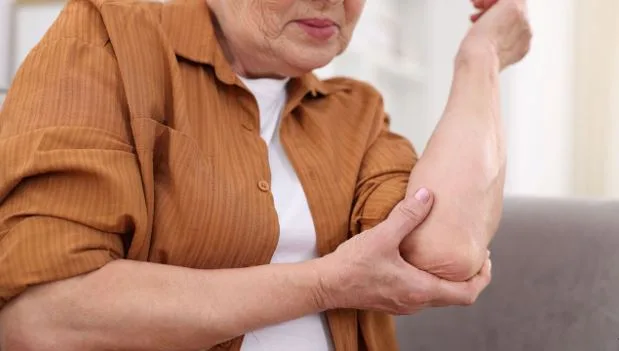
Getting older comes with its share of challenges, and for many seniors, arthritis tops that list. If you’ve noticed your joints getting stiffer or more painful lately, you’re definitely not alone. Millions of older adults deal with this condition every day. The good news is that understanding arthritis better can help you manage it more effectively.
What Exactly Is Arthritis?
Simply put, arthritis means inflammation in your joints. It’s not just one disease though. There are actually over 100 different types. However, when we talk about GERIATRICS Arthritis, we’re usually referring to the kinds that affect older adults most often.
The two main types you’ll hear about are:
- Osteoarthritis – This happens when the cushioning between your bones wears down over time
- Rheumatoid arthritis – This is when your immune system attacks your joints by mistake
Most seniors deal with osteoarthritis. Think of it like the wear and tear on your favorite pair of shoes. After years of use, things naturally break down a bit.
Why Does Arthritis Happen?
Your body changes as you age. That’s just a fact of life. Your joints have been working hard for decades, supporting your weight and helping you move around. Over time, the cartilage that protects your bones can wear thin. When that happens, bones might rub together, causing pain and swelling.
Several things can make arthritis more likely. Previous injuries to your joints can come back to haunt you years later. Your family history plays a role too. If your parents had arthritis, you might be more prone to it. Being overweight puts extra stress on your knees and hips, which doesn’t help matters either.
Recognizing the Signs
Many people brush off early arthritis symptoms as just normal aging. While some aches and pains are normal, arthritis has specific warning signs worth paying attention to.
Your joints might feel stiff, especially in the morning. You might need a few minutes to “get going” when you first wake up. Swelling around your joints is another red flag. Sometimes the area feels warm to the touch. You might also notice that movements you used to do easily now feel difficult or painful.
The tricky thing about GERIATRICS Arthritis is that it often develops slowly. You might not notice major changes from day to day. But looking back over several months, you realize you’re doing less than you used to.
How It Affects Daily Life
Arthritis doesn’t just cause physical pain. It can change how you live your life in many ways. Simple tasks become challenging. Opening jars, buttoning shirts, or climbing stairs might take more effort. Some people find themselves avoiding activities they once loved because of the discomfort.
The emotional impact matters too. Feeling limited in what you can do can be frustrating. Many seniors with arthritis struggle with feelings of independence. They worry about becoming a burden on family members. These feelings are completely normal and valid.
Sleep can suffer as well. Joint pain often gets worse at night. Finding a comfortable sleeping position becomes harder. Poor sleep then makes pain feel worse during the day, creating a difficult cycle.
Treatment Options That Actually Help
Here’s some encouraging news: you have many options for managing arthritis. Treatment isn’t about curing the condition but rather making it easier to live with.
Medication plays an important role for most people. Over-the-counter pain relievers like acetaminophen or ibuprofen help many seniors. For more severe cases, doctors might prescribe stronger medications. Some treatments focus on reducing inflammation throughout your body.
Physical therapy works wonders for many people. A physical therapist can teach you exercises that strengthen the muscles around your joints. Stronger muscles take pressure off the joints themselves. They can also show you better ways to move that put less stress on problem areas.
Weight management makes a real difference, especially for knee and hip arthritis. Even losing just a few pounds can reduce joint stress significantly. Every pound of weight you lose takes about four pounds of pressure off your knees.
Lifestyle Changes That Matter
Beyond medical treatments, daily choices impact how you feel. Staying active might seem counterintuitive when your joints hurt, but movement actually helps. Low-impact activities like swimming, walking, or tai chi keep joints flexible without causing more damage.
Heat and cold therapy provide relief too. A warm bath or heating pad can ease stiff joints in the morning. Ice packs help reduce swelling after activity. Many people with GERIATRICS Arthritis find alternating between the two works best.
Your diet plays a part as well. Foods rich in omega-3 fatty acids, like fish and walnuts, may help reduce inflammation. Colorful fruits and vegetables provide antioxidants that support joint health. Staying hydrated keeps the cartilage in your joints lubricated.
Making Your Home Safer and Easier
Small changes around your house can make daily life much easier. Installing grab bars in the bathroom prevents falls and makes getting up easier. Raised toilet seats reduce the strain on your knees and hips.
In the kitchen, consider tools designed for arthritis. Jar openers, ergonomic utensils, and electric can openers reduce hand strain. Keep items you use often at waist level so you don’t need to reach or bend as much.
When to See Your Doctor
Don’t try to tough it out alone. See your doctor if joint pain lasts more than a few weeks or keeps getting worse. Sudden swelling or redness needs immediate attention. If pain stops you from doing normal activities or affects your sleep regularly, it’s time for professional help.
Your doctor can properly diagnose which type of arthritis you have. They’ll create a treatment plan tailored to your specific situation. Regular check-ins help adjust treatments as needed.
Looking Forward
Living with arthritis requires adjustments, but it doesn’t mean giving up on life. Many seniors with arthritis continue enjoying active, fulfilling lives. The key is finding what works for you and staying consistent with your management plan.
Remember that managing GERIATRICS Arthritis is a marathon, not a sprint. Small, steady improvements add up over time. Be patient with yourself as you learn what helps your specific situation. With the right approach, you can keep doing the things that matter most to you.